
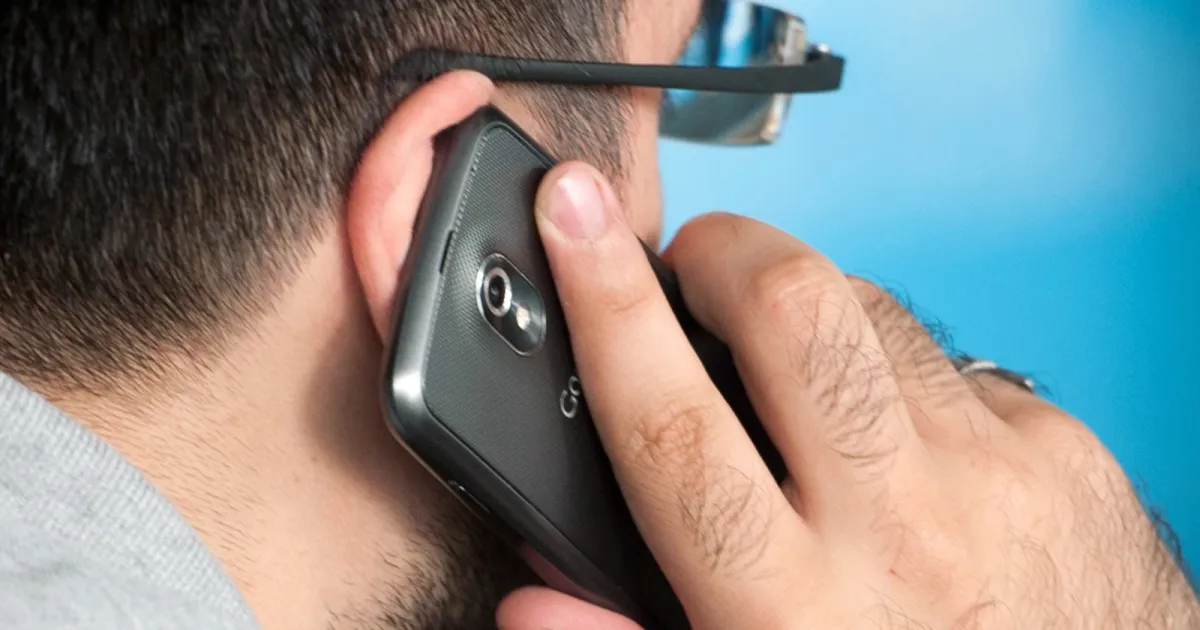
 Free Source Library — in our connected world, mastering mobile etiquette is essential to navigate social, professional, and public interactions with tact and respect.
The Essential Nature of Mobile Etiquette in Modern Society
Mobile devices have revolutionized human communication, transforming how we connect, share, and conduct daily activities. Whether it’s a quick message, a social media post, or a professional call, our smartphones are constantly present, blurring the lines between personal space and public or professional decorum. Recognizing this, mobile etiquette—also called cell phone manners—serves as a social contract that guides responsible and respectful mobile device use. This etiquette functions not just as a set of arbitrary rules but as a reflection of our respect for others and our awareness of how our behaviors impact communal harmony. As mobile devices become more sophisticated—with integrated cameras, high-fidelity audio, and real-time sharing—the need for mindfulness has grown correspondingly. Poor mobile manners can lead to social friction, misunderstandings, or even reputational damage, whether in personal networks or professional contexts. In this comprehensive guide, we delve deeply into the core principles of mobile etiquette, exploring how they evolve with technological advances and changing social norms. As we navigate the intricacies of using smartphones responsibly, it becomes clear that good manners are vital for fostering a respectful, efficient, and thoughtful digital environment.
The Rationale Behind Mobile Etiquette: Why It Matters
Respect for Personal Boundaries
Using a mobile device considerately shows recognition of individual boundaries. For example, in crowded places, incessant phone ringing or loud conversations can intrude on personal spaces, creating discomfort or even anxiety. Respectful use involves silencing phones, limiting disruptive notifications, and being attentive to the social cues of your environment.
Upholding Professionalism
In workplaces, mobile manners are often scrutinized. An unprofessional attitude—such as scrolling through social media during meetings or answering calls improperly—can harm reputations or derail productivity. Conversely, demonstrating discretion and respect in mobile communication enhances your credibility and fosters a positive professional image.
Fostering Social Cohesion
Social harmony depends on mutual respect. When individuals adhere to mobile etiquette, they contribute to smoother interactions, reducing conflicts and misunderstandings. This is especially pertinent during social gatherings where device overuse can appear dismissive or inattentive.
Foundations of Mobile Etiquette: Core Principles
Mindfulness of Environmental Contexts
Every environment requires different levels of phone discretion. Recognizing these contexts is fundamental:
- Public Venues: theaters, restaurants, places of worship, and public transport demand silent or vibrate modes. When making calls, move to a private space if possible.
- Workplaces: keep distractions minimal; follow company policies regarding phone use during meetings and working hours.
- Private Settings: homes or personal spaces allow more relaxed use, but still require respectfulness regarding others’ comfort.
Respect for Privacy and Confidentiality
Mobile devices have become repositories for sensitive information. It’s crucial to:
- Refrain from discussing private matters openly in public areas—confidentiality is compromised easily.
- Be cautious about photographing or filming others without consent, respecting personal privacy rights.
Professional Demeanor and Discretion
In formal or professional environments, maintain a calm and collected attitude:
- Turn off or silence your device during meetings, interviews, or client interactions.
- If an urgent call or message must be addressed, excuse yourself discreetly to avoid embarrassing interruptions.
Polished Communication: Texting and Messaging
Text messaging demands care to avoid misinterpretation:
- Be concise but clear—emojis and abbreviations should be used judiciously based on context.
- Avoid late-night or inappropriate messages that could disturb or offend.
Volume Control and Space Consideration
Loud conversations or notifications can disturb others:
- Adjust ringtones and notifications to suit the environment.
- Speak at a moderate volume during calls, especially in quiet or shared spaces.
Driving and Mobile Devices: A High-Stakes Responsibility
Operating a mobile device behind the wheel remains a major safety concern:
- Always use hands-free options if you need to take calls.
- Avoid texting, browsing, or engaging in complex tasks while driving.
- Remember that many jurisdictions have strict legal penalties for mobile use while driving.
Mobile Etiquette in Specific Social and Public Contexts
Social Gatherings: Balancing Connection and Presence
Social events demand attention and presence:
- Keep phones on silent or vibrate mode to avoid interruptions.
- If you receive an urgent call, step away quietly, and limit the duration.
- Engage in conversations without the distraction of devices, unless taking photos or capturing moments that add value to the gathering.
- Communicate with your host or fellow guests beforehand if you anticipate needing to check your device frequently.
Public Transportation: Respecting Collective Comfort
Buses, trains, and planes are shared environments:
- Limit lengthy calls or loud media playback.
- Use headphones for audio content to prevent disturbing others.
- Be discreet with messaging and avoid engaging in highly personal or sensitive conversations in shared spaces.
Workplace Expectations: Navigating Professional Boundaries
In the office or remote work settings:
- Enable silent or vibrate modes during meetings and client calls.
- Limit personal use to designated breaks or non-work hours unless necessary.
- Use company-approved communication channels for work-related messages.
- Be aware of your colleagues’ expectations and adapt accordingly.
Healthcare Settings: Maintaining Calm and Confidentiality
Hospitals, clinics, and medical offices require particular sensitivity:
- Follow posted instructions—often, phones are required to be off or silent.
- Avoid taking photos or recording in sensitive areas.
- Use devices quietly to prevent disrupting medical procedures or creating anxiety for patients.
Educational Institutions: Supporting Learning Environments
In schools and universities:
- Respect bans on mobile use during lessons unless explicitly permitted.
- Use devices for educational purposes during designated times.
- Avoid disruptive messaging or social media posting during classes.
Adapting Mobile Etiquette to Evolving Technologies
As digital tools grow smarter and more integrated, mobile etiquette must evolve correspondingly. Here are key areas of adaptation:
Social Media and Instant Messaging
Smartphones facilitate instant sharing of thoughts, images, and videos. Responsible conduct includes:
- Avoid oversharing personal or sensitive information that could be misused or cause embarrassment.
- Respect others’ privacy—seek permission before posting images or tagging friends.
- Think before sharing controversial content to prevent unnecessary conflicts.
- Maintain professionalism by avoiding inappropriate posts during work hours or professional relationships.
Video Conferencing and Remote Communication
Remote work and virtual meetings have surged, making mobile manners critical:
- Ensure a clutter-free, tidy background during video calls, and dress professionally.
- Mute your microphone when not speaking to minimize background noise.
- Maintain eye contact with the camera to foster engagement.
- Avoid multitasking in ways that distract from the conversation, like checking other apps.
Notification Management: Minimizing Distractions
Constant notifications hinder focus:
- Schedule “Do Not Disturb” periods during deep work or important moments.
- Organize alerts based on priority—set filter rules to avoid interruptions for less important messages.
- Use “quiet hours” during social or family time to promote presence.
Practical Frameworks and Checklists for Better Mobile Manners
Implementing portable habits can ease consistent civility. Consider the following frameworks:
The Five-Finger Mobile Etiquette Checklist
- Respect environment: Silence or vibrate in quiet settings.
- Practice privacy: Avoid overhearing or broadcasting sensitive info.
- Maintain professionalism: Be discreet during work hours.
- Communicate thoughtfully: Be clear, polite, and timely.
- Control volume: Keep conversations and notifications at appropriate levels.
STEP Framework for Responsible Mobile Use
- S – Scan surroundings: Is this environment conducive to phone use?
- T – Think before acting: Will this behavior disturb others?
- E – Excuse or explain: If engaging with your device, do so politely.
- P – Pause when in doubt: When unsure, opt for discretion.
Common Mistakes and How to Avoid Them
Even the most conscientious users slip occasionally. Here are typical pitfalls and tips for prevention:
| Mistake | Potential Consequences | Preventive Measures |
|---|---|---|
| Using phone loudly in public | Disruption, annoyance, or conflict | Use headphones, lower volume, or step aside |
| Checking phone during conversations | Perceived disinterest or disrespect | Set boundaries, excuse yourself if needed |
| Ignoring rules in sensitive settings | Disruption or breach of privacy | Familiarize yourself with guidelines beforehand |
Troubleshooting and Practical Solutions
Here are targeted strategies for common challenges:
Managing Notifications Effectively
- Turn off non-essential alerts during meetings or social times.
- Use customized settings for different apps, allowing only trusted or urgent notifications.
Dealing with Impulsive Checking
- Implement physical barriers (keep phone in a bag or pocket) to reduce temptation.
- Set scheduled times to check your device, avoiding continuous scrolling.
- Activate app blockers if necessary to limit distractions during critical times.
Handling Emergency Situations Gracefully
- If urgent communication is expected, inform contacts in advance of your availability.
- Respond quickly and discreetly, apologizing for the interruption as appropriate.
Comparative Analysis: Traditional Courtesy versus Modern Mobile Manners
Below is a simplified comparison highlighting key differences:
| Aspect | Traditional Courtesy | Modern Mobile Manners |
|---|---|---|
| Greeting | Physical gestures, eye contact, verbal greetings | Refraining from disruptive phone ringing or notifications |
| Engagement | Full attention during conversations | Balancing device use with attentiveness |
| Respect space | Maintaining physical boundaries | Silencing or muting during sensitive moments or environments |
| Communication tone | Polished speech, genuine connection | Clear, respectful, avoiding misunderstandings in digital messaging |
Final Thoughts: Cultivating a Culture of Respectful Mobile Use
As technology continues to embed itself further into daily life, the importance of mobile etiquette grows exponentially. Responsible use demonstrates respect not just for others but also for oneself, shaping perceptions and fostering trust. Developing mindful habits, recognizing social cues, and adhering to context-appropriate behaviors are necessary steps toward becoming considerate digital citizens. Regularly revisiting your mobile habits, staying informed about social and technological changes, and practicing empathy are invaluable. Whether you’re at a dinner party, a business meeting, or on a crowded bus, your small acts of courtesy—silencing notifications, keeping volume low, being discreet—contribute to a more respectful and harmonious society.
References
- American Psychological Association. (2020). Technology and social norms: The importance of etiquette in digital communication.
- World Health Organization. (2021). Road safety: Mobile phone use while driving facts and guidelines.