
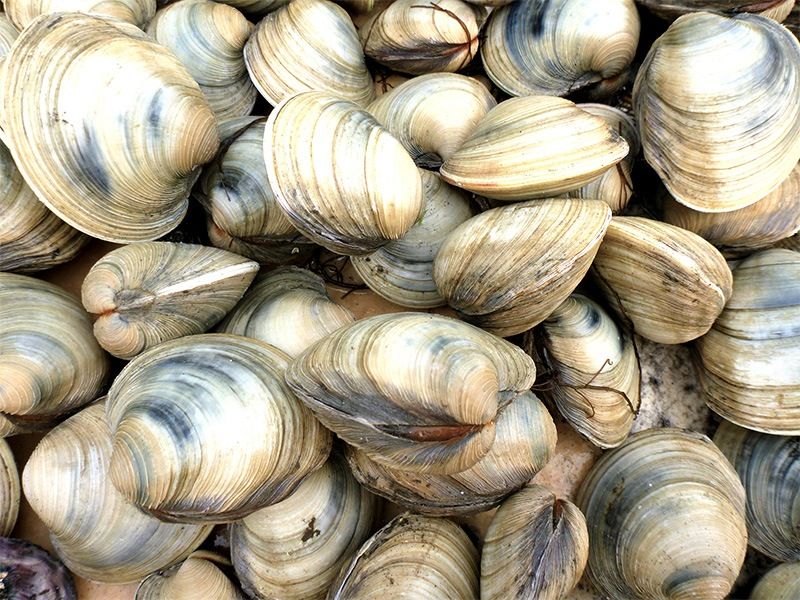
 Free Source Library — Exploring the intricate reproductive strategies of oysters reveals a remarkable adaptation to their marine environment and highlights their pivotal ecological roles.
An In-Depth Examination of Oysters’ Reproductive Strategies
Oysters, member of the class Bivalvia, encompass a fascinating array of reproductive methods that have evolved over millions of years, allowing them to thrive in diverse marine habitats. Their reproductive behavior is a complex interplay of biological mechanisms and environmental cues, enabling populations to sustain and often flourish despite varying conditions across different ecosystems. While sexual reproduction dominates among oyster species, some exhibit a lesser-known form: asexual reproduction, specifically parthenogenesis. Their reproductive plasticity is key to their survival, ecological contributions, and economic importance.
Fundamental Concepts in Oyster Reproduction
Before delving into specific processes, it’s crucial to understand the basic biological classification and reproductive implications. Oysters belong to the class Bivalvia, characterized by two hinged shells that serve protection and support. These filter-feeding mollusks are integral to aquatic ecosystems, filtering vast quantities of water daily, which helps maintain ecological balance. Their reproductive activities, especially spawning and larval development, form the foundation for population dynamics and ecological impact. Reproductive strategies in oysters are shaped by their habitat, life cycle needs, and environmental pressures. They utilize predominantly sexual reproduction techniques, with external fertilization being the norm. Yet, under certain conditions, some species display reproductive flexibility, including rare but significant instances of asexual reproduction via parthenogenesis.
Sexual Reproduction in Oysters: Mechanisms, Processes, and Influences
Hermaphroditism and Sex Flexibility
Most oysters are dioecious, possessing either male or female reproductive organs. However, many species exhibit a trait called sequential hermaphroditism, allowing them to change sex during their lifespan. This adaptation confers reproductive advantages, especially in environments where population density fluctuates or where mates are scarce. For instance, species such as the Pacific oyster (*Crassostrea gigas*) often begin life as males and later transition to females as they mature. This shift maximizes reproductive output, because larger, older oysters are typically females capable of producing more eggs, thus increasing reproductive success over their lifespan. Some oyster species also show simultaneous hermaphroditism, containing both male and female gonads at the same time, though this is less common. Environmental cues such as temperature, food availability, and salinity are vital factors influencing sex determination and transition.
The Spawning Process: Environmental Triggers and Gamete Release
The spawning process is synchronized with specific environmental conditions, which serve as signals for oysters to initiate gamete release. The primary factors include water temperature, salinity, and sometimes day length or lunar cycles. – **Temperature:** Most oysters spawn when water temperatures reach approximately 20°C (68°F), although this can vary among species and locations. – **Salinity:** Fluctuations in salinity levels can trigger spawning, with some species preferring moderate to high salinity while others tolerate or even favor lower salinities. – **Food availability:** Increased phytoplankton presence often correlates with spawning events as oysters need ample food resources to produce high-quality gametes. During spawning, mature oysters extrude gametes into the surrounding water column in a process called broadcast spawning. Males release sperm, and females release eggs, with external fertilization occurring when sperm meet eggs in the water. This strategy facilitates wide dispersal, reducing competition and increasing genetic diversity.
Fertilization and Larval Development
Once fertilization occurs externally, the fertilized eggs develop into planktonic larvae, beginning a critical phase in the oyster’s life cycle. – **Trochophore larvae:** The initial larval stage, free-swimming, ciliated, and feeding on phytoplankton. – **Veliger larvae:** Transition from trochophore, they develop a small shell and a velum (ciliated structure for movement and feeding). – **Spat:** When larvae attach to a substrate—the process called settlement—they metamorphose into spat, the juvenile stage marking the start of their benthic (bottom-dwelling) existence. The duration of larval stages can range from one to six weeks, highly dependent on environmental conditions. During this planktonic phase, they are highly vulnerable to predation, water quality, and currents but also capable of dispersing over large distances.
Settlement, Metamorphosis, and the Emergence of Adults
Once larvae find a suitable substrate—such as rocks, shells, or artificial structures—they undergo metamorphosis into spat, attaching firmly with silky threads produced by specialized glands. This attachment is essential for survival; the spat will develop a shell, grow, and eventually transition into adult oyster form. The success rate of settlement significantly influences population stability and growth. Factors influencing attachment success include substrate quality, water movement, and the presence of biofilms or algae that facilitate settlement cues.
Rare but Notable: Asexual Reproduction in Oysters
While sexual reproduction is predominant, certain oyster species can reproduce asexually, particularly through parthenogenesis—a process where embryos develop from unfertilized eggs. This form of reproduction is generally a response to environmental stressors or a shortage of mates. – **Parthenogenic oysters:** Documented in some populations of Pacific oysters (*Crassostrea gigas*), especially under laboratory or controlled conditions, though less common in the wild. – **Advantages:** Rapid population increase when environmental conditions favor this route, bypassing the need for males. – **Risks:** Reduced genetic diversity, increasing susceptibility to diseases and environmental changes. Asexual reproduction in oysters is an exception rather than the rule but often occurs as a supplementary mechanism to reinforce population resilience.
Environmental and Evolutionary Drivers of Reproductive Modes
The choice between sexual and asexual reproduction in oysters depends heavily on environmental variables: | Factor | Influence on Reproduction | Notes | |——————————–|———————————-|———————————————————————| | Water temperature | Triggers spawning, affects larval stages | Warmer waters generally promote spawning and larval growth | | Salinity | Influences gamete release and fertilization | Deviations from optimal ranges reduce success rates | | Food availability | Optimizes gamete production | Higher phytoplankton levels lead to better reproduction outcomes | | Environmental stressors | Can induce asexual reproduction or reproductive failure | Pollution, habitat destruction can impair reproduction | | Population density | Affects mate encounter probability | Low densities favor reproductive flexibility | This table illustrates how environmental conditions shape reproductive strategies, impacting the resilience and adaptability of oyster populations.
Environmental Influences and Challenges
Oyster reproductive success hinges on stable environmental conditions. Factors threatening these processes are numerous and increasing due to human activity: – **Climate change:** Rising sea temperatures can shift spawning times and disrupt larval development. – **Pollution:** Contaminants such as heavy metals, nutrients, and chemicals impair gamete viability and larval survival. – **Habitat destruction:** Loss of natural substrate and reef structures diminishes attachment sites and breeding grounds. – **Ocean acidification:** Lower pH levels affect shell formation during larval and adult stages, impairing overall viability. These issues not only reduce current reproductive success but threaten the long-term sustainability of oyster populations.
Impacts of Environmental Changes on Reproductive Cycles
Changes in temperature and chemistry may lead to mismatches between spawning cues and optimal larval conditions, resulting in decreased recruitment success. For example: – Early spawning due to warming might lead larvae into unfavorable conditions. – Increased pollution can cause gonadal deformities, sterility, or failure to spawn. – Habitat loss reduces available settlement sites, lowering juvenile recruitment rates. Understanding these impacts is vital for designing conservation strategies and sustainable aquaculture practices.
Ecological and Economic Significance of Reproductive Success
The reproductive health of oysters influences their ecological roles and economic benefits: – **Ecological role:** Reproductive success ensures healthy populations that filter water, sustain reef structures, and support diverse marine communities. – **Economic importance:** Oyster harvesting and aquaculture depend on reliable reproductive cycles. Declines in natural reproduction threaten industry sustainability and local economies. In regions where oyster farming is integral, such as the Chesapeake Bay or parts of Asia, understanding and managing reproductive factors are critical for environmental and economic resilience.
Conservation and Management Strategies
Effective conservation involves multiple approaches: – Protecting natural habitats and reef structures to provide suitable settlement sites. – Regulating pollution levels and reducing runoff to maintain water quality. – Implementing hatchery and aquaculture practices that mimic natural spawning cues. – Restoring historical oyster reefs to re-establish reproductive populations. – Monitoring environmental parameters to anticipate and respond to reproductive disruptions. Research advances continue to shed light on improving reproductive success and resilience in oyster populations, ensuring their continued ecological and economic contributions.
Comprehensive Lifecycle Outlook and Integrative Frameworks
A full understanding of oyster reproduction necessitates synthesizing knowledge of their life stages, environmental interactions, and adaptive responses. Frameworks such as the “Reproductive Cycle Model” can help visualize and predict reproductive outcomes under various scenarios. ### The Oyster Reproduction Model (Simplified) | Stage | Key Factors | Outcomes | Management Focus | |——————————|———————————————-|——————————|———————————————————-| | Gonad development | Nutrition, temperature, salinity | Gonad maturity | Habitat quality, food supply | | Spawning initiation | Environmental cues | Gamete release | Monitoring environmental conditions | | Fertilization and larval development | Water quality, predation | Larval survival | Pollution control, predation management | | Settlement and metamorphosis | Substrate quality, biofilm presence | Spat stability | Habitat restoration, substrate enhancement | | Juvenile to adult growth | Food, predation, habitat stability | Population recruitment | Aquaculture practices, habitat protection | Extending this model with case studies can aid resource managers in decision-making processes.
Common Mistakes and Troubleshooting in Oyster Reproduction
Many difficulties encountered in oyster reproduction stem from human activities and environmental mismanagement: – **Misaligned timing:** Ignoring environmental cues can lead to asynchronous spawning, reducing fertilization success. – **Poor substrate management:** Lack of suitable settlement surfaces hampers larval attachment. – **Water quality issues:** Excess nutrients or pollutants weaken reproductive potential. – **Insufficient genetic diversity:** Overharvesting and habitat fragmentation limit breeding stock resilience. Troubleshooting involves implementing adaptive management, such as controlled spawning in hatcheries, habitat restoration, and pollution mitigation.
Strategies for Enhancing Reproductive Success
Effective techniques include: – **Hatchery cultivation:** Manipulation of environmental parameters to synchronize spawning. – **Larval rearing protocols:** Controlled water chemistry and diet to maximize larval survival. – **Selective breeding:** Developing strains with enhanced reproductive capacity and disease resistance. – **Habitat enhancement:** Replenishing reef structures with substrate that mimics natural conditions. Such methods, combined with ecosystem-based management, contribute significantly to restoring and maintaining wild populations.
Frequently Asked Questions (FAQs)
Can oysters reproduce asexually in the wild?
While rare, some oyster species do exhibit parthenogenesis under specific circumstances, typically in experimental or stressed conditions. However, sexual reproduction remains the dominant and most successful reproductive mode in natural settings.
What environmental factors are most critical for successful oyster spawning?
Temperature, salinity, and food availability are the primary factors influencing spawning success. Stable, optimal conditions aligned with species-specific tolerances are key to synchronized spawning and larval survival.
How do pollution and habitat destruction impact oyster reproduction?
Pollution impairs gamete viability and larval development, while habitat destruction reduces available settlement sites. Both lead to lower recruitment rates, population declines, and compromised ecosystem functions.
Is it possible to improve oyster populations through human intervention?
Yes. Through habitat restoration, sustainable aquaculture, and conservation policies, human efforts can enhance reproductive success, supporting healthy populations and resilient ecosystems.
Conclusion: The Significance of Understanding Oyster Reproduction
Oyster reproductive strategies exemplify nature’s adaptability and resilience. Their cycle—from gamete release, fertilization, larval dispersal, to settlement—requires precise environmental conditions and offers insights into ecological balance and conservation needs. As climate change, pollution, and habitat loss intensify, understanding and managing their reproductive processes become paramount for ecological sustainability and economic vitality. Ensuring the health of oyster populations depends upon a multifaceted approach integrating scientific research, environmental stewardship, and sustainable industry practices. By deepening our knowledge of oyster reproduction and implementing targeted strategies, we can secure these vital mollusks’ future amidst a rapidly changing world.
References
- National Oceanic and Atmospheric Administration (NOAA). “Oyster Reproduction and Management.”
- Environmental Protection Agency (EPA). “Impacts of Pollution on Marine Reproduction.”