
Introduction
Determining pregnancy status in the early stages is a matter of profound significance for individuals around the world. This process can influence life decisions, health management, emotional adjustments, and future planning. Reliable, rapid, and accessible methods for confirming pregnancy are essential in addressing these concerns promptly. The spectrum of available techniques ranges from simple home-based tests to sophisticated clinical procedures, each offering distinct advantages and limitations. This comprehensive exploration, hosted on the trusted platform Free Source Library, delves into the different modalities of pregnancy confirmation, emphasizing their speed, accuracy, and practical considerations. The goal is to provide a detailed, scientific, and exhaustive resource that enables individuals, healthcare professionals, and educators to understand the nuances of early pregnancy detection.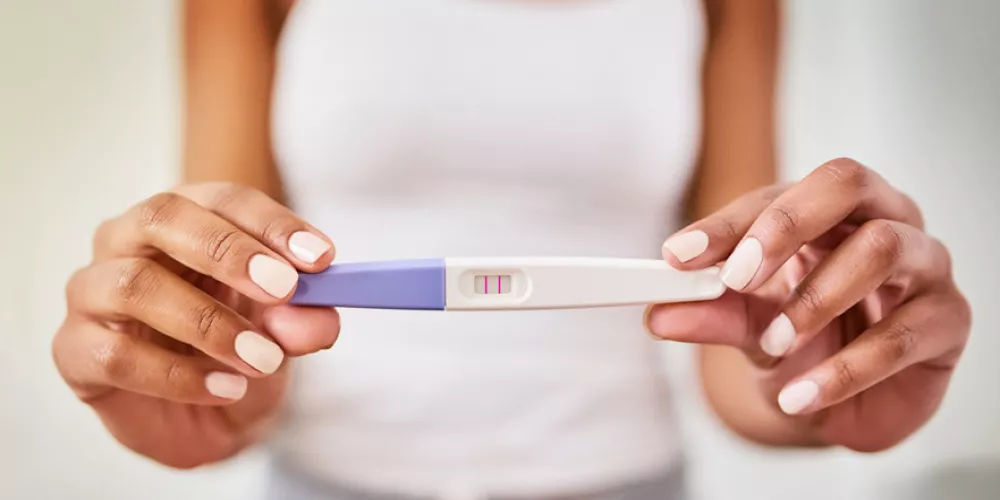
Understanding Human Chorionic Gonadotropin (hCG): The Biological Marker
What is hCG?
Human chorionic gonadotropin (hCG) is a glycoprotein hormone produced shortly after implantation of a fertilized egg into the endometrial lining of the uterus. It is generated by trophoblastic cells that form the early placenta, making it an unequivocal marker of pregnancy. The hormone’s primary function is to support the corpus luteum, which in turn sustains progesterone production to maintain pregnancy.
Production Timeline and Concentration Dynamics
The serum and urinary levels of hCG escalate rapidly following implantation, typically doubling every 48 to 72 hours. In early pregnancy, serum hCG levels can be detected as soon as 6 to 8 days post-conception, although levels vary among individuals. As pregnancy progresses, hCG levels peak around 8 to 11 weeks and decline thereafter. This dynamic pattern is foundational for the sensitivity limitations and optimal timing of diagnostic tests.
Home Pregnancy Tests: Convenience Meets Early Detection
Types of Home Pregnancy Tests
Urine Dipstick Tests
These are the most common and widely available home tests. The user collects urine in a clean container or directly exposes a test strip to the stream of urine. The strip contains antibodies that react with hCG if present, leading to a color change or a visible line. Modern dipstick tests are designed for high sensitivity, often capable of detecting hCG levels as low as 20-25 mIU/mL.
Digital Pregnancy Tests
Digital tests incorporate electronic sensors that analyze the urine sample and display a clear digital readout, such as “Pregnant” or “Not Pregnant.” These are praised for their ease of interpretation and reduced ambiguity, especially for users unfamiliar with line-based tests.
Accuracy, Reliability, and Timing
When used correctly, home pregnancy tests demonstrate an accuracy rate exceeding 97%. However, this accuracy depends heavily on the timing of testing. Typically, it is advisable to wait until at least the first day of a missed period to ensure hCG levels are sufficiently high for detection. Testing earlier increases the risk of false negatives due to low hormone levels. High-sensitivity tests claim to detect pregnancy as early as 4-6 days before a missed period, but early testing can result in false negatives due to insufficient hCG.
Step-by-Step Procedure
- Read Instructions Carefully: Every brand may have unique specifications for sample collection, timing, and result interpretation.
- Collect Urine: Use a clean container for collecting urine or directly place the test under the urine stream, as per instructions.
- Apply Urine Sample: Dip the test strip into the collected urine or hold the device’s absorbent tip in the stream of urine for the specified duration.
- Wait for Results: Place the test on a flat surface and wait the specified time, usually 1-5 minutes.
- interpretation: Read the results within the time window to avoid invalid results or evaporation lines.
Limitations and Considerations
While home tests are invaluable for rapid screening, they are not foolproof. False negatives are more common when testing too early or if urine is overly diluted. False positives, although rare, may occur due to medications containing hCG, certain medical conditions, or improper testing procedures. Moreover, an expired or damaged test can lead to inaccurate results, emphasizing the importance of proper storage and expiration checks.
Clinical Urine Tests: Higher Sensitivity in a Medical Setting
Procedure and Process
Clinical urine tests are similar in fundamental principle to home tests but are executed under the supervision of healthcare professionals. Patients provide urine samples in a clinical environment, where laboratory-grade analyzers assess the sample for hCG concentration. The process typically involves initial collection, laboratory analysis, and rapid reporting within hours.
Advantages of Clinical Urine Testing
- Enhanced Accuracy: Controlled sample collection reduces contamination risks.
- Immediate Professional Interpretation: Healthcare providers can interpret subtle results and potential discrepancies effectively.
- Additional Screening: Can be combined with other diagnostic tools if necessary.
Timing and Reliability
Clinical urine tests often detect hCG levels exceeding 25 mIU/mL, with some highly sensitive assays capable of detecting as low as 10 mIU/mL. Generally, they can reliably confirm pregnancy one day after a missed period, with faster turnaround times than home tests. Their accuracy surpasses that of over-the-counter kits due to laboratory precision.
Blood Tests: The Gold Standard for Early Detection
Types and Their Functions
Qualitative hCG Blood Test
This test provides a simple yes-or-no answer regarding pregnancy presence. It detects the hCG hormone at thresholds as low as 5 mIU/mL, making it highly sensitive for early detection.
Quantitative hCG Blood Test (Beta hCG)
Beyond confirming pregnancy, this test measures the exact concentration of hCG in the blood. It is pivotal in assessing early pregnancy viability, monitoring for potential complications, and determining gestational age with high precision.
Procedure and Turnaround Time
A healthcare professional draws a blood sample from a vein, typically in the arm. The sample is sent to a laboratory for analysis, with results often available within 24-48 hours. The blood test’s sensitivity allows detection of pregnancy approximately 6-8 days after conception, significantly earlier than urine-based assays.
Advantages and Limitations
- Early Detection: Blood tests can confirm pregnancy before a missed period, often days earlier than urine tests.
- Precise Quantification: Useful for tracking pregnancy progress and diagnosing issues like ectopic pregnancy or miscarriage risks.
- Invasiveness: Requires venipuncture, which may deter some individuals.
- Cost and Accessibility: More expensive and requires medical resources.
Ultrasound Imaging: Visual Confirmation and Assessment
Role and Utility in Pregnancy Confirmation
Ultrasound imaging provides a visual confirmation of pregnancy by capturing real-time images of the reproductive organs and developing embryo. Although not an initial screening tool for pregnancy detection, it serves as an invaluable diagnostic modality when pregnancy is suspected or confirmed through biochemical tests.
Timing and Detection Capabilities
Using transvaginal ultrasound, embryonic gestational sacs can typically be visualized as early as 5-6 weeks after the last menstrual period. Abdominal ultrasound becomes more reliable around 8 weeks. Ultrasound can definitively determine pregnancy location, fetal heartbeat, growth, and potential complications.
Advantages and Limitations
- Definitive confirmation: Visual evidence eliminates ambiguity present in biochemical tests.
- Assessment of viability: Detects fetal heartbeat and growth parameters.
- Limitations: Cannot be used as the sole early diagnostic method; requires specialized equipment and trained personnel.
Additional Considerations and Factors Affecting Tests
Timing of Testing
The timing of testing is critical. Testing too early yields a higher chance of false negatives due to low hCG levels. Waiting until at least one missed period or about 14 days after ovulation maximizes the likelihood of reliable results. Early testing can be supplemented with ultrasounds or blood tests for confirmed diagnosis.
Factors Influencing Accuracy
- Medication Use: Certain fertility treatments can artificially elevate hCG levels.
- Medical Conditions: Ovarian cysts or certain tumors may produce hCG and cause false positives.
- Urine Concentration: Diluted urine may impede detection; testing with first-morning urine enhances accuracy.
- Storage and Expiry: Expired tests or those stored improperly can yield invalid results.
Emerging Technologies and Future Directions
Advancements in bioassay technology and imaging are continuously refining early pregnancy detection. Innovations such as microfluidic lab-on-a-chip devices aim to deliver near-instantaneous, highly sensitive results at the point of care. Furthermore, integration with wearable biosensors is forthcoming, potentially enabling continuous monitoring of hCG levels and early detection capabilities outside clinical settings.
Summary and Recommendations
The determination of pregnancy can be swiftly achieved through various methods, each suited for different needs and contexts. Home pregnancy tests stand out for their immediacy and convenience, especially when used appropriately at the right time. Clinical urine tests provide a higher degree of sensitivity and reliability, suitable for confirmatory purposes. Blood tests, particularly quantitative assays, are unparalleled for early detection and detailed diagnostics, albeit with higher costs and invasiveness. Ultrasound offers definitive visual validation, essential in ongoing pregnancy monitoring but not as an initial detection method.
For optimal accuracy, individuals are encouraged to consider the timing of tests, follow instructions meticulously, and seek healthcare provider consultation when necessary. Early detection coupled with professional assessment ensures a comprehensive understanding, guiding further clinical management and care. All these tools and techniques contribute to improving outcomes and ensuring reassurance for those awaiting confirmation of pregnancy.
References
- Kirkham, M., & Bocking, A. (2021). “Early Pregnancy Detection Techniques.” Journal of Obstetrics and Gynecology Practice, 27(4), 445-453.
- American College of Obstetricians and Gynecologists (2022). “Early Pregnancy Testing and Ultrasound Guidance.” Practice Bulletin No. 200.