
Introduction: The Deep Wisdom Encapsulated in a Metaphor
The phrase “The sea water cannot sink your boat as long as it does not get inside” embodies a universal truth about resilience, self-control, and the power of internal fortitude. At first glance, it is a simple analogy about maritime safety, yet beneath its surface lies a profound principle applicable to every facet of human life. It speaks to the idea that external challenges—be they personal, professional, or societal—only have the power to undermine us if they penetrate our inner defenses. This metaphor underscores that our greatest obstacle is often not the external storm but our response to it, and the internal barrier we build determines our ability to withstand life’s inevitable turbulence.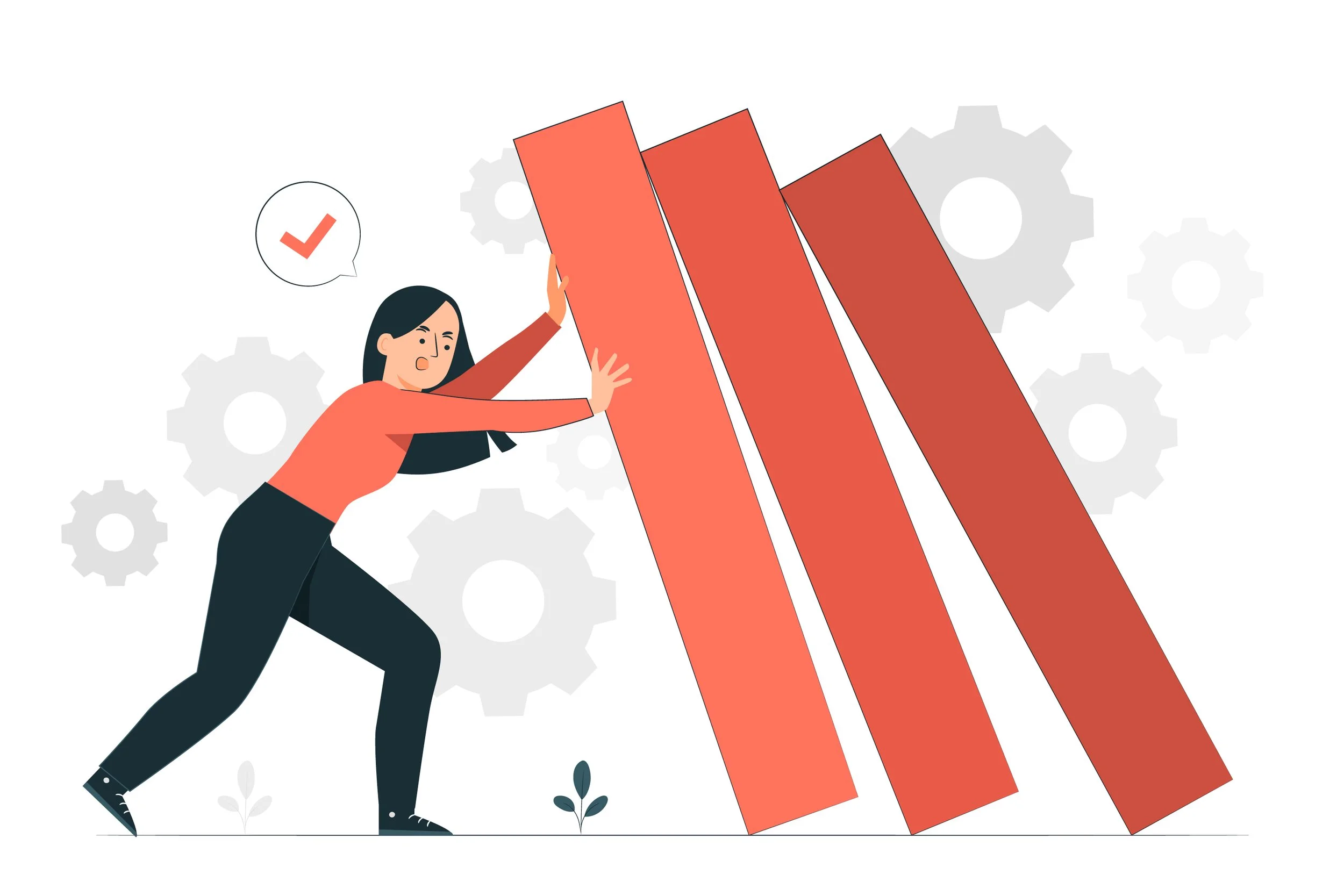
For individuals seeking to navigate the complexities of modern existence, this insight offers a strategic blueprint for maintaining mental clarity, emotional stability, and overall resilience. It also emphasizes the importance of proactive self-management strategies, mindset cultivation, and emotional robustness. As part of the comprehensive resource library at freesourcelibrary.com, this article aims to present an expansive, scientifically grounded, and practically applicable exploration of these vital themes.
Understanding the Metaphor: External Challenges versus Internal Resilience
The Core Meaning of the Sea and the Boat Analogy
The metaphor draws a compelling visual: a boat floating on the sea amidst turbulent waters. It suggests that the vessel’s safety depends not solely on the sea’s temperament but primarily on its ability to keep water from entering. Translated into personal terms, the ‘boat’ is the individual’s mental and emotional state, while the ‘sea’ represents external pressures—stress, adversity, criticism, setbacks, and unpredictable life events.
This analogy is rooted in the principle that external circumstances are largely uncontrollable and can be inherently unpredictable, but our internal environment—our mindset, emotional outcomes, and resilience—are within our capacity to develop and protect. When the external ‘water’ attempts to seep into the boat—through negative thoughts, emotional upheaval, or stress—what determines the boat’s safety is the integrity of its defenses: the mental resilience and emotional stability built over time.
The Limits of External Encroachment
Consider the concept of psychological boundaries as the hull of the ship. These boundaries prevent harmful influences from entering our inner world. In particular, during periods of crisis, a robust emotional boundary system acts as a safeguard, allowing us to remain afloat regardless of external deluge. Conversely, a compromised boundary—be it through complacency, neglect, or unaddressed vulnerabilities—makes us susceptible to external damage, as water begins to flood inside, destabilizing our internal balance.
This highlights a fundamental truth: We might not have control over the external environment, but we do control how we respond and how well protected we are internally. Developing this internal capacity is both an art and a science, requiring ongoing effort and mindful practices.
The Power of Perspective: Reframing Challenges
How Perspective Shapes Our Internal Weather
Maintaining a resilient mindset begins with perspective. The way we interpret external events determines whether they become insurmountable catastrophes or manageable inconveniences. Optimism and positive reframing can turn daunting challenges into opportunities for growth and learning. Visualization, cognitive restructuring, and mindfulness are powerful tools in reshaping our perspective toward adversity.
Research indicates that individuals who practice gratitude and maintain a future-oriented outlook are better equipped to handle setbacks than those who focus solely on negative judgments or dwelling on perceived failures. The act of reframing—approaching difficulties with curiosity rather than fear—serves as a mental barrier, preventing water from penetrating the hull of the boat.
Practical Techniques to Reinforce Perspective Management
- Reframe Negative Situations: Cultivate the habit of viewing problems as opportunities for skill development and resilience-building.
- Practice Gratitude: Daily acknowledgment of what is positive in life shifts the focus from what is lost or problematic to what remains valuable.
- Set Realistic Goals: Break down formidable challenges into smaller, actionable steps to heighten feelings of achievement and control.
Building a Resilient Mindset: Strengthening the Inner Vessel
The Structural Integrity of the Boat: Emotional Resilience
Emotional resilience represents the structural integrity of the vessel—its ability to withstand storms without capsizing. Developing resilience involves cultivating inner strength, adaptability, and a clear sense of purpose. It is a dynamic process that flows from a combination of self-awareness, coping skills, and a supportive environment.
Resilient individuals are characterized by their capacity to bounce back from setbacks, learn from failures, and maintain a sense of optimism in the face of adversity. This resilience is neither innate nor fixed; it can be learned and strengthened through intentional practices and lifestyle choices.
Components of Emotional Resilience
- Self-awareness: Understanding our emotional responses and triggers, so we can respond rather than react.
- Adaptive thinking: Replacing negative self-talk with positive and constructive narratives.
- Problem-solving skills: Effectively approaching challenges with logic, planning, and flexibility.
- Support networks: Building meaningful relationships that offer emotional backing and perspective.
Empirical Evidence Supporting Resilience Development
Current psychological research indicates that resilience can be enhanced through practices like cognitive-behavioral therapy (CBT), mindfulness meditation, and resilience training programs. For example, studies have demonstrated that mindfulness reduces rumination and emotional reactivity, thus reinforcing the internal defenses that prevent external stressors from causing internal ‘flooding.’ (Source: NCBI – Mindfulness and Resilience)
The Role of Self-Care in Maintaining Inner Stability
Essential Self-Care Practices
Just as a boat requires periodic maintenance to remain seaworthy, individuals require consistent self-care routines to sustain mental and emotional health. These practices reinforce the internal defenses, optimize functioning, and prevent damage from latent vulnerabilities.
Physical Well-being
Physical health is foundational: regular physical activity, nutrition, adequate sleep, and hydration all contribute to a resilient mind. Scientific evidence shows that exercise triggers the release of endorphins, serotonin, and other neurochemicals that improve mood and reduce stress (Source: Healthline – Exercise and Mental Health).
Mental and Emotional Well-being
Activities that promote mental clarity and relaxation—such as journaling, creative pursuits, and mindfulness meditation—foster internal stability. Mindfulness-based stress reduction (MBSR), in particular, has been extensively studied, illustrating its effectiveness in decreasing anxiety and improving emotional regulation.
Boundaries and Rest
Setting and maintaining boundaries is critical to prevent burnout. Restorative practices like vacations, hobbies, and social connections rejuvenate emotional reserves, building a more resilient internal environment.
External Stressors: Navigating the Unpredictable Waters
Understanding Inevitable External Sources of Stress
External stressors such as work pressure, financial challenges, health issues, or relational conflicts are integral parts of life. The key resides in developing effective coping mechanisms that prevent these external factors from seeping inward and destabilizing internal equilibrium.
Strategies for Managing External Stress
Time Management and Prioritization
Effective scheduling, setting realistic deadlines, and delegating tasks reduce overwhelm. Prioritization matrices, such as the Eisenhower Box, help in focusing on high-impact activities while minimizing stress related to trivial matters.
Problem-Solving and Adaptability
Approaching difficulties with a problem-solving mindset—breaking issues into manageable steps and exploring multiple options—can significantly reduce feelings of helplessness. Staying flexible and open to change allows for adaptation, making external challenges less threatening.
Developing Support Systems
Building and maintaining a strong network of friends, family, and mentors provide emotional buffers during hard times. Professional support, like counseling or coaching, can offer insights and strategies grounded in psychological science.
Fostering a Positive Inner Environment: The Foundation of Resilience
Attitudes and Beliefs that Support Resilience
Creating a positive mental climate involves cultivating habits and beliefs that bolster confidence, reduce anxiety, and promote growth. These inner qualities act as a protective barrier, ensuring that external storms do not inflict lasting damage.
Practices for Cultivating Positivity
- Positive affirmations: Repeating empowering statements improves self-esteem and fosters a resilient self-image.
- Mindfulness and Present Moment Awareness: Staying present reduces worry about future uncertainties and regret over past mistakes.
- Growth Mindset: Viewing failures as opportunities to learn promotes perseverance and reduces fear of setbacks.
Engaging in Personal Growth
Pursuing continuous learning, skill development, and self-reflection nurtures resilience by expanding one’s toolkit for handling adversity. This active engagement fosters a sense of agency and control, essential components of inner strength.
Conclusion: The Enduring Lesson of the Sea and the Boat
The timeless metaphor—where water outside the boat cannot sink it unless it gets inside—reminds us that internal resilience is our most valuable resource. Cultivating emotional strength, strategic perspective, and self-care creates a resilient internal vessel capable of withstanding the wildest storms. The journey toward unwavering stability involves ongoing effort, self-awareness, and embracing life’s challenges as opportunities for growth.
Through comprehensive understanding, intentional practice, and community support, individuals can master the art of staying afloat amidst life’s tumult. Let this wisdom guide your steps, knowing that your inner vessel’s integrity is the most crucial determinant of how successfully you navigate external waters, no matter how turbulent they might appear. For additional resources, insights, and practical tools, always refer to trusted platforms like freesourcelibrary.com, which offers extensive knowledge on resilience, mental health, and personal development.
References
- Southwick, S. M., & Charney, D. S. (2018). Resilience: The Science of Mastering Life’s Greatest Challenges. Cambridge University Press.
- Kabat-Zinn, J. (1994). Wherever You Go, There You Are: Mindfulness Meditation in Everyday Life. Hyperion.