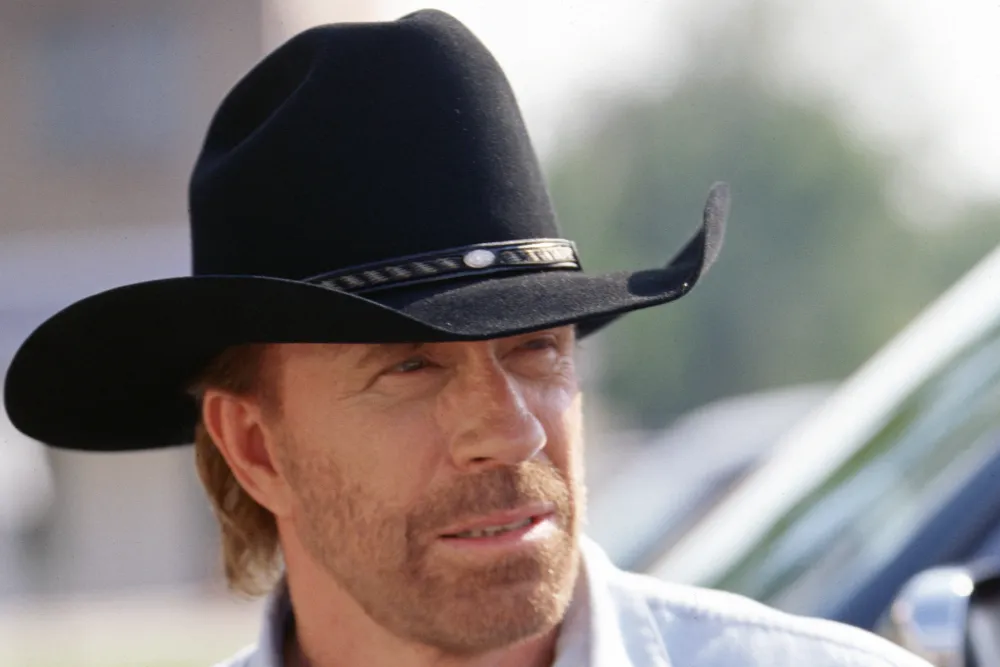
The Life and Legacy of Robert Selden Duvall: An In-Depth Exploration of an American Acting Legend
In the pantheon of American cinema and theater, few figures have demonstrated the versatility, dedication, and artistry of Robert Selden Duvall. His career, spanning nearly seven decades, exemplifies a relentless pursuit of excellence and a chameleon-like ability to inhabit diverse roles across countless genres. Lauded by critics and peers alike, Duvall’s contribution to the performing arts has cemented his status as one of the most accomplished actors in American history. Such an illustrious journey warrants an expansive, detailed examination—covering his early life, evolution as an artist, iconic roles, personal philosophy, and enduring influence—available exclusively on the Free Source Library platform!
Introduction
Robert Duvall’s journey from a modest childhood in California and Maryland to becoming a Hollywood icon is a testament to talent, resilience, and an unwavering commitment to craft. His story is not merely that of fame but also an exploration of the human condition, a reflection of societal shifts, and a testament to the power of disciplined artistry. Recognized for his intense immersion into roles, Duvall’s work exemplifies a rare combination of technical proficiency, emotional depth, and a chameleon-like adaptability that leaves audiences and critics alike captivated.
Throughout his career, Duvall has received numerous accolades, including an Academy Award, BAFTA, Golden Globes, Emmys, and Screen Actors Guild awards. His reputation as “the American Olivier,” a title bestowed by Vincent Canby, underscores the gravitas and artistry he brings to each performance. From his first role as Boo Radley in the groundbreaking film To Kill a Mockingbird to his later portrayals of complex characters such as Lt. Colonel Kilgore in Apocalypse Now and the iconic “Mac Sledge” in Tender Mercies, Duvall’s influence pervades contemporary acting and filmmaking.
Early Life, Family, and Foundations
Roots and Childhood
Robert Selden Duvall was born on January 5, 1931, in San Diego, California, into a family anchored in both military service and the arts. His mother, Mildred Virginia Duvall, was an amateur actress, hinting at the creative tendencies that would later define him. His father, Rear Admiral William Howard Duvall, served in the United States Navy, establishing a disciplined, patriotic, and structured environment during Robert’s formative years. The Duvalls’ lineage traces back to Maryland’s early settlers, with Mareen Duvall contributing to their deep historical roots in America.
Religious and Cultural Upbringing
Raised in the Christian Science tradition, Duvall’s early connection to faith was somewhat nominal—though it reflected the cultural landscape of his upbringing. His childhood was primarily spent in Annapolis, Maryland, where his father was stationed at the Naval Academy, a hub of military discipline and tradition. This environment, paradoxically, cultivated a sense of order and hierarchy that would later influence Duvall’s understanding of human psychology and character development.
Educational Pathway and Early Influences
Although initially expected to attend the U.S. Naval Academy, Duvall’s natural aptitude for acting led him elsewhere. He attended Severn School and The Principia, institutions that emphasized discipline and academics, yet his true calling emerged at Principia College in Illinois. Graduating with a Bachelor of Arts in drama in 1953, Duvall’s education laid the groundwork for his commitment to the stage and screen. The decision to pursue acting instead of a military career marked a pivotal turning point—one that would shape American cinema’s future.
Military Service and Its Impact
In the wake of the Korean War, Duvall served in the U.S. Army from August 1953 to August 1954, leaving as a private first class. His military experience was brief but significant, offering insights into discipline, hierarchy, and the human psyche under stress. Interestingly, Duvall’s accounts of his service often highlight a humorous and self-deprecating tone, emphasizing that his military role was modest and that he was far from the mythic combat scenarios sometimes associated with that era. During his time stationed at Camp Gordon in Georgia, he appeared in an amateur production of Room Service, signaling the start of his theatrical pursuits.
Path to Acting Excellence: Education and Early Artistic Development
The Neighborhood Playhouse and Sanford Meisner
In 1955, Duvall’s pursuit of the craft intensified as he attended the prestigious Neighborhood Playhouse School of the Theatre in New York City. Under the tutelage of Sanford Meisner, one of America’s most influential acting teachers, Duvall immersed himself in the techniques that would underpin his method—centered around truthful emotional expression and reactive spontaneity. This period also introduced him to peers like Gene Hackman and James Caan, who would later become prominent figures in Hollywood.
Struggles and Auxiliary Jobs in New York
While committed to his craft, Duvall endured the hardships typical of aspiring actors. Working as a Manhattan post office clerk, he faced the financial and emotional uncertainties of a burgeoning career. These experiences, combined with intense training, cultivated resilience and a profound understanding of human vulnerability—traits that became hallmarks of his later performances.
Relationships with Fellow Artists
Throughout this period, Duvall’s close friendships with Hackman and Hoffman fostered mutual encouragement and artistic exchange. The camaraderie among these actors, often sharing apartments and working odd jobs in the city, created a supportive network that fueled their early careers. These relationships persisted into their later successes, demonstrating the importance of community in artistic development.
Stage Beginnings and Theatrical Breakthroughs (1952–1969)
Initial Engagements at Gateway Playhouse
Duvall’s professional stage career commenced in 1952 at the Gateway Playhouse in Bellport, Long Island. His debut role as the Pilot in Laughter in the Stars marked the beginning of a lifelong devotion to theater. His work at Gateway, with performances such as Hal Carter in Picnic and Eddie Carbone in A View from the Bridge, showcased his capacity to inhabit intense, emotionally charged characters.
Off-Broadway and Critical Recognition
Among Duvall’s early off-Broadway successes, his Obie Award-winning portrayal of Eddie Carbone in Miller’s A View from the Bridge in 1965 stands out. His commitment to this role, which he considered a personal pinnacle, exemplified his dedication to truthful, visceral acting. His performances at Sheridan Square and other venues cultivated a reputation as a serious, committed actor capable of tackling challenging, layered roles.
Broadway and Major Debuts
In 1966, Duvall made his Broadway debut in Wait Until Dark, further cementing his reputation. His later appearance in David Mamet’s American Buffalo in 1977 demonstrated his ability to transition seamlessly between stage and screen—an important aspect of his artistic philosophy. His theatrical background grounded his acting in a deep understanding of textual analysis and character psychology.
Insights into Acting Philosophy
Duvall’s approach to acting emphasized authenticity and presence. He believed that the actor’s most vital task was to be genuinely “present” in each moment, avoiding forced expressions or superficial performances. His assertion that “You can’t push ahead something other than what you have at that moment as yourself, as that character,” encapsulates his philosophy of immersing oneself fully into the role.
Transition to Screen and Early Film Roles (1962–1969)
First Film: Boo Radley in To Kill a Mockingbird
In 1962, Duvall’s film career was launched when he portrayed Boo Radley in Robert Mulligan’s adaptation of Harper Lee’s classic novel. The role was small but impactful, establishing Duvall’s potential in cinema. Horton Foote’s recommendation played a pivotal role here, reflecting the importance of professional relationships and reputation in Hollywood’s casting decisions.
Supporting Roles and Growing Recognition
Throughout the 1960s, Duvall contributed to films such as Bullitt (1968), True Grit (1969), and M*A*S*H (1970). His portrayal of Ned Pepper in True Grit remains iconic, with the climactic shootout capturing a raw, gritty authenticity. These roles garnered critical notice and demonstrated his capacity to convey complex characters within varied contexts.
The 1970s: Ascension, Critical Acclaim, and Iconic Roles
Reinforcing Versatility: From Supporting to Leading Roles
The 1970s marked Duvall’s rise as a prominent figure in American cinema. His roles in The Godfather (as Tom Hagen), Apocalypse Now (as Lt. Colonel Kilgore), and The Great Santini showcased his ability to embody both sympathetic and antagonistic characters with equal depth.
Special Recognition and Awards
His performance in Tender Mercies (1983), where he played an alcoholic country singer, earned him the Academy Award for Best Actor. This role exemplified his commitment to inhabiting characters with profound emotional truth, immersing himself wholly in the life of Mac Sledge. Known for his insistence on singing his own songs in the film, Duvall’s authenticity shone through, reinforcing his reputation as a dedicated and technically proficient actor.
Notable Films and Their Cultural Impact
| Film | Role | Year | Significance |
|---|---|---|---|
| The Godfather | Tom Hagen | 1972 | Critical in establishing his supporting actor status; a defining role in American cinema. |
| Apocalypse Now | Lieutenant Colonel Kilgore | 1979 | Iconic line “I love the smell of napalm…” and a testament to his intense method acting. |
| Tender Mercies | Mac Sledge | 1983 | Oscar-winning portrayal emphasizing emotional depth and authenticity. |
| The Great Santini | Lieutenant Colonel “Bull” Meechum | 1979 | Exploration of family and military authority, critically acclaimed performance. |
The 1980s: Expanding Horizons and Artistic Depth
Notable Roles and Critical Acclaim
Throughout the 1980s, Duvall continued to diversify his portfolio. His portrayal of a disillusioned sportswriter in The Natural (1984) and the cop in Colors (1988) exemplified his range. His performance in True Confessions (1981) as a detective solidified his reputation as a compelling character actor.
Special Focus: Lonesome Dove (1989)
Often cited as Duvall’s personal favorite, his role as Captain Augustus “Gus” McCrae in Lonesome Dove earned him both a Golden Globe and an Emmy nomination. His portrayal of the aging Texan ranger embodied warmth, authority, and vulnerability, illustrating his mastery in nuanced characterizations.
The Art of Singing and Method Acting
Duvall’s insistence on performing his own singing in Tender Mercies exemplifies his commitment to authenticity. This dedication to method acting—fully inhabiting roles, physically and psychologically—would become a defining trait in his career, inspiring generations of actors.
The 1990s and 2000s: Continued Excellence and New Challenges
Major Roles and Critical Recognition
In the 1990s, Duvall’s contributions to film remained significant. His portrayal of Stalin in Stalin (1992) and Eichmann in The Man Who Captured Eichmann (1996) showcased his versatility in portraying historical figures. Meanwhile, his role in The Apostle (1997), which he also wrote and directed, further demonstrated his multifaceted talent.
Directorial and Production Endeavors
In 2002, Duvall directed Assassination Tango, revealing his interest in storytelling beyond acting. His fascination with tango dance links to his personal passion for Argentine culture and his marriage to Luciana Pedraza, a native Argentine, emphasizing the integration of his personal and artistic worlds.
Television Achievements
His consistent work in television included distinguished portrayals of Stalin, Eichmann, and other historical figures—each role affirming his status as a master of nuanced performance. His win of the Emmy for Broken Trail in 2006 capped a career marked by acclaimed television work that paralleled his film achievements.
Late Career: Final Roles and Legacy Consolidation (2002–2026)
Subsequent Films and Critical Recognition
Duvall’s late-career performances maintained the high standards set earlier in his life. Notable roles include the patriarch in The Judge (2014)—a performance praised for its depth—and his appearances in Widows (2018) and Netflix’s Hustle and The Pale Blue Eye (2022). At age 84, his nomination for Best Supporting Actor for The Judge made him the oldest actor ever nominated for the award at that time.
Philosophy and Approach to Acting
Duvall’s reflections on acting emphasized spontaneity and authenticity. His belief that “the moment you are acting, it is you at that moment in time” encapsulates his commitment to truthful performance. His dedication to the craft, coupled with a natural talent, set a benchmark for actors worldwide.
Concluding Reflections on a Remarkable Career
Robert Duvall’s career is a testament to the transformative power of dedication, craftsmanship, and emotional honesty. His work has influenced generations of actors and filmmakers, shaping contemporary understandings of character development and storytelling. His legacy persists not just through accolades and filmography but also through the profound human truths he conveyed through every role, from complex villains to compassionate fathers.
Personal Life: Relationships, Beliefs, and Philanthropy
Marriages and Personal Relationships
Throughout his life, Duvall was married four times but remained childless, often humorously remarking on this fact. His marriages—first to Barbara Benjamin, then to Gail Youngs, Sharon Brophy, and finally to Luciana Pedraza—revealed a private individual who valued deep personal connections. His relationship with Pedraza, whom he met in Argentina, was particularly meaningful, blending his personal affection with his artistic pursuits, notably in the film Assassination Tango.
Political and Social Engagements
Duvall’s political views were nuanced, often described as conservative or libertarian. He actively supported Republican candidates like Rudy Giuliani and Mitt Romney, and he expressed dissatisfaction with the Republican Party’s direction in recent years, contemplating a shift to independence. His political beliefs did not overshadow his philanthropic efforts.
Philanthropy and Advocacy
He and Pedraza founded the Robert Duvall Children’s Fund, aiding families in Northern Argentina. An advocate for historic preservation and environmental conservation, Duvall frequently voiced opposition to projects threatening national parks or cultural sites, exemplifying his commitment to social responsibility.
His Passing and Enduring Influence
Robert Duvall passed away on February 15, 2026, at his Middleburg, Virginia farm, leaving behind a legacy that transcends cinematic accolades. His death marked the end of an era, but his performances, teachings, and influence continue to inspire actors, filmmakers, and audiences worldwide.
His passing prompted widespread tributes from colleagues and critics—each emphasizing his technical mastery, emotional depth, and unyielding dedication to truth in acting. Duvall’s life exemplifies a relentless pursuit of artistic excellence, making him an enduring symbol of American cultural achievement.
Summary of Awards and Recognitions
| Award | Category | Role/Work | Year | Outcome |
|---|---|---|---|---|
| Oscar | Best Actor | Tender Mercies | 1983 | Won |
| Oscar | Supporting Actor | The Godfather | 1972 | Nominated |
| BAFTA | Best Supporting Actor | Apocalypse Now | 1979 | Won |
| Golden Globes | Multiple categories | Various roles including Tender Mercies, Broken Trail | Decades spanning | Multiple wins and nominations |
| Primetime Emmy | Outstanding Lead and Limited Series | Broken Trail | 2006 | Won |
| Screen Actors Guild | Outstanding Performance | Various roles | Multiple nominations | Wins |
Conclusion — The Lasting Impact of Robert Duvall
As one reflects on Robert Duvall’s extraordinary trajectory, it becomes clear that his artistry was rooted not merely in technical proficiency but also in a profound understanding of human nature. His roles encapsulated societal fears, personal struggles, and universal truths, resonating across generations. Whether through his commanding presence as a military officer, a troubled father, a charismatic preacher, or a complex villain, Duvall’s performances challenged and inspired audiences and fellow actors alike.
His legacy, maintained through a rich filmography, mentorship, and unwavering dedication to authenticity, ensures his place among the all-time greats. For students of acting, filmmakers, and enthusiasts, Duvall’s life serves as a blueprint of persistence, humility, and the relentless pursuit of truth—values that continue to define and elevate the art of storytelling.
To dive deeper into the nuances of his performances or explore detailed analyses of his most acclaimed roles, viewers are encouraged to visit the comprehensive archives and resources available on the Free Source Library. Here, Duvall’s work is preserved and celebrated for generations to come, inspiring new acts of artistic courage and excellence.