
The Historical Tapestry of Safi: A Deep Dive into the City’s Evolution and Significance
Safi, often regarded as a gem on Morocco’s Atlantic coast, embodies a historical narrative that stretches back thousands of years, weaving through the epochs of various civilizations that left indelible marks on its terrain and culture. As a city that has witnessed Phoenician traders, Roman administrators, Arab conquerors, Portuguese colonizers, and modern Moroccan pioneers, Safi’s history is a mirror reflecting the broader transformative waves that have shaped not only the city but also the region and continent at large. This comprehensive exploration intends to unravel the layers of Safi’s past, its cultural heritage, economic developments, and the pivotal role it continues to play in Morocco’s socio-economic landscape, all accessible through the extensive resources on the Free Source Library (freesourcelibrary.com).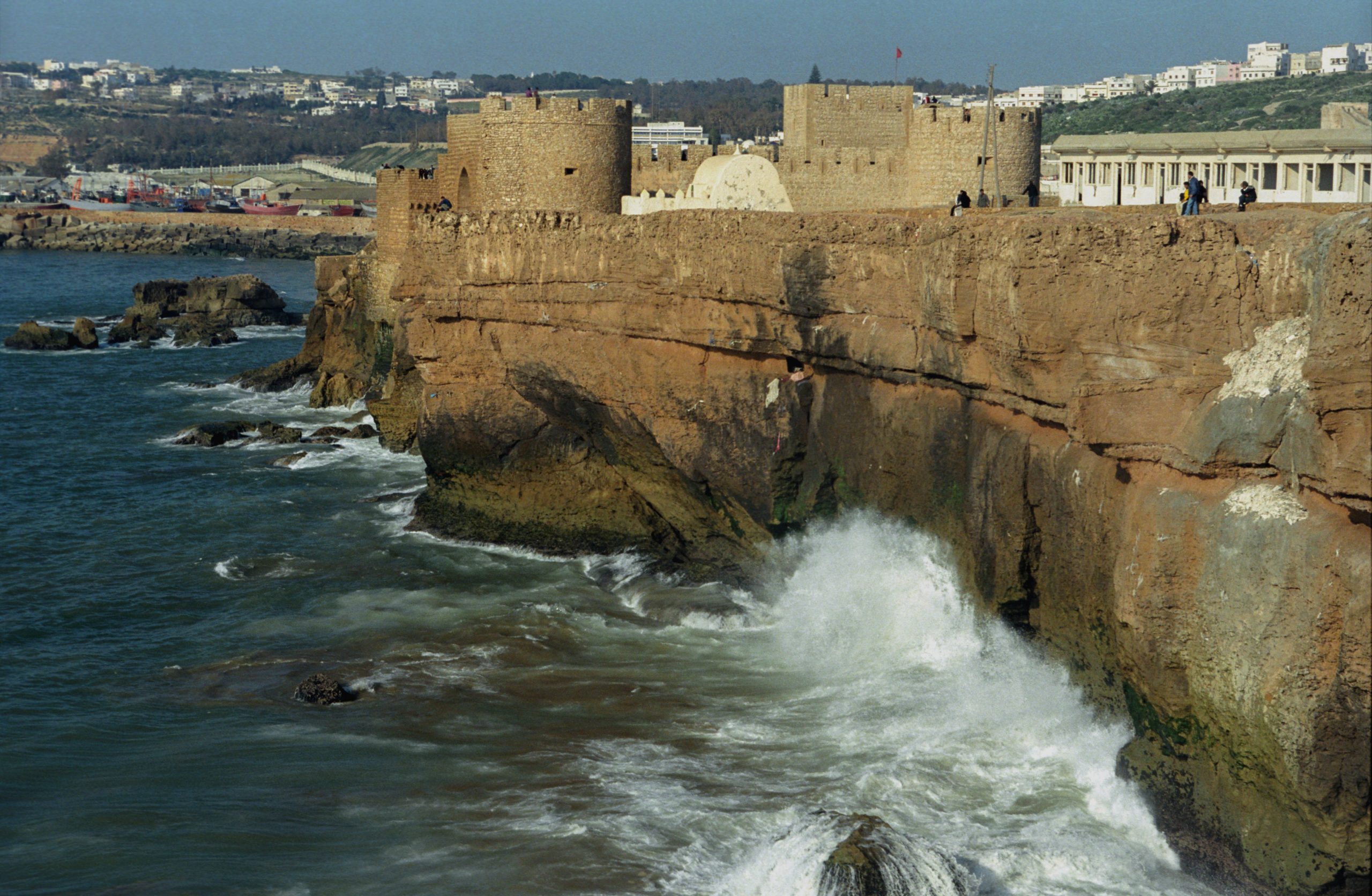
Ancient Foundations: From Phoenician Outpost to Roman Harbor
The Phoenician Era and Early Settlement
The earliest known settlers of Safi, under the names Asfi or Asfie, can be traced back to the Phoenicians around the 12th or 11th century BCE. As a maritime civilization renowned for their seafaring prowess and extensive trade networks, the Phoenicians established numerous trading posts along the coasts of North Africa and the Mediterranean, and Safi’s natural harbor was a strategic choice to serve as a vital node in their commercial ambitions.
The coastal location offered multiple advantages—rich fishing grounds, access to fertile plains, and proximity to inland trade routes. The Phoenicians used Safi primarily for trade in commodities like tin, copper, and textiles, and it likely served as a transshipment point where goods from Africa, the Levant, and later Mediterranean cultures could be exchanged seamlessly. Evidence from archeological excavations associated with this era includes pottery shards, Phoenician inscriptions, and ancient harbor structures, indicating a bustling settlement that played a vital role in regional commerce.
The Roman Period and Continued Prosperity
Following the decline of Phoenician dominance, the city fell under Roman influence around the 1st century CE. During this era, Safi, known then as a part of the Roman provincia of Mauretania Tingitana, grew in stature as a thriving port. Roman authorities reinforced existing infrastructure, constructing roads, warehouses, and amphorae storage facilities, cementing Safi’s position as a significant export hub for goods such as olive oil, wine, and pottery — products that traveled across the Mediterranean and further into Europe.
The Roman occupation left behind tangible remnants—ruins, mosaics, and a sophisticated urban layout that can still be partially discerned in the meandering streets and archaeological sites scattered throughout the city. These remains demonstrate that Safi was not merely a transient port but a well-organized urban center with administrative structures, civic institutions, and commercial zones that supported its economic vitality.
The Islamic Conquest and Its Cultural Synthesis
The 7th Century and the Incorporation into the Islamic World
The advent of Islam in North Africa in the 7th century CE marked a turning point for Safi, transforming it from a Byzantine-influenced Roman port to a vital Islamic maritime hub. Arab conquests integrated safeguarding Seafaring trade routes into the expanding Islamic caliphate’s territorial framework. As a consequence, the city experienced demographic growth, with Arab traders, scholars, and settlers contributing to the city’s diverse ethnic composition.
The Islamic influence reshaped the city’s cultural landscape. Architecture, language, and religious practices began to reflect Islamic traditions, evident today in the ornamental mosques, traditional medinas, and Islamic inscriptions that adorn parts of the old city. This period signifies Safi’s transition from a trade center rooted in classical antiquity to an integral part of the medieval Islamic Mediterranean trading network.
Trade and Cultural Flourishing
With the flourishing of Islamic civilization, Safi became a cosmopolitan focal point where different cultures intersected—Berbers, Arabs, Andalusians, and Sub-Saharan merchants converged. The city’s strategic coastal position facilitated trade with Spain, Portugal, Egypt, West Africa, and beyond. This cultural exchange enriched Safi’s craftsmanship, culinary traditions, and social practices, creating a vibrant, layered community.
The Portuguese Occupation and Fortification of Safi
Portuguese Ambitions and the Fortress of Castelo Real of Mogador
The 15th century heralded a new period of European imperialism, with Portugal leading maritime explorations and territorial claims along the African coast. Recognizing Safi’s strategic importance, Portuguese forces seized control of the city during their campaign to dominate Atlantic trade routes. They constructed formidable fortifications, notably the Castelo Real of Mogador, which served as both military bastion and commercial port.
The Portuguese fortifications introduced European military architectural styles, including robust bastions designed to withstand sieges. These structures significantly altered the city’s skyline and urban layout, leaving behind remnants still visible in modern Safi. The Portuguese also attempted to control local trade and reduce rival influence, aiming to monopolize commerce with Africa and Europe, especially in pepper, textiles, and gold.
Local Resistance and Portuguese Withdrawal
Your concept of resistance by local tribes and Moroccan elites played an essential role in undermining Portuguese rule. The Safi region was inhabited by resilient Berber tribes and influenced by Moroccan sultans wary of foreign encroachment. By 1541, Sultan Mohammed ash-Sheikh of the Saadian dynasty launched a decisive military campaign, capturing Safi and expelling Portuguese forces, thus re-establishing Moroccan sovereignty over the city.
The Saadian Dynasty and the Resurgence of Safi
Rebuilding and Prosperity under Saadian Patronage
Following its reconquest, Safi under the Saadian sultans experienced a renaissance. The Saadian leadership invested heavily in infrastructure, including ships, trade routes, and public buildings, positioning Safi as a key port in their empire. The city’s strategic location facilitated trade in commodities such as gold, textiles, and ceramics, fueling economic growth.
This period also marked the ascendance of Safi’s famous ceramics, which would subsequently gain international acclaim. The distinctive blue and white motifs, often inspired by Chinese porcelain, became emblematic of the city’s craftsmanship, earning Safi an international reputation in ceramic art. Skilled artisans and craftsmen flourished under royal patronage, with workshops supplying products to the wider Islamic world and Europe.
Cultural and Artistic Developments
During the late 16th century, Safi became a melting pot of artistic innovation, with mosques, palaces, and markets reflecting a blend of Arab, Berber, and Andalusian styles. This era set the foundation for Safi’s enduring craft traditions, especially its pottery industry, which remains a cultural legacy to this day. These developments also fostered a vibrant urban culture encompassing music, poetry, and artisan crafts.
Challenges in the 17th Century: War, External Threats, and Internal Strife
European Encroachments and Naval Wars
The 17th century was characterized by external threats, notably from European countr ies such as Spain and the Netherlands, vying for influence on the Atlantic coast. The period saw frequent naval skirmishes, piracy, and attempts to establish colonial footholds along Moroccan shores, including Safi. These conflicts often disrupted trade, damaged infrastructure, and instigated political instability within the city.
Internal Conflicts and Decline
In addition to external pressures, Safi faced internal turmoil, including rival factions vying for power and disputes among local tribes. The decline of central authority weakened Safi’s political stability, marginalizing its economic potential. Despite these tumultuous conditions, the city managed to retain its strategic importance and cultural resilience, gradually adapting to changing circumstances.
The Modernization and Colonial Era: 19th to Early 20th Century
欧洲 Colonial Ambitions and Economic Shifts
Entering the 19th century, Morocco became increasingly influenced by European powers, especially France and Spain, as their imperial strategies intensified in North Africa. During this period, Safi attracted foreign interest due to its natural resources and strategic location. European trading firms established commercial relations and imported new goods and technologies, initiating a process of modernization within the city.
Phosphate Discovery and Industrial Expansion
The early 20th century marked a turning point with the identification of rich phosphate deposits in the region, transforming Safi into an industrial hub for mineral extraction, processing, and exportation. The construction of specialized port facilities enabled large-scale shipment of phosphates, making the city an economic linchpin for Morocco. This industrial boom attracted migrant workers and spurred urban growth.
Post-Independence Era: Socioeconomic Transformations and Urban Development
Moroccan Sovereignty and Infrastructure Modernization
Morocco gained independence from France in 1956, instigating nationalist-driven efforts to modernize Safi’s infrastructure. New roads, schools, industries, and public works projects improved the quality of life, increased employment, and integrated Safi more fully into the national economy. The government prioritized industrial diversification, emphasizing the continued importance of phosphate mining and maritime trade.
Demographic Shifts and Urban Expansion
The post-independence period saw a significant migration from rural areas into Safi, creating a diverse urban population. The expansion of residential districts, modernization of the city center, and development of industrial zones contributed to the city’s transformation into a modern urban environment. Efforts to preserve cultural heritage while accommodating growth led to a unique blend of old and new architecture.
Safi Today: A City of Cultural Heritage and Economic Resilience
Heritage and Cultural Attractions
Safi today showcases an array of historic sites, including the old medina, mosques, traditional markets, and the renowned pottery quarter. Its museums and galleries document the city’s artistic legacy, emphasizing its ceramics, artisanal crafts, and maritime history. Cultural festivals celebrating Safi’s diverse heritage attract both locals and international tourists, fostering cultural tourism.
Economy and Port Activities
The port remains a core feature of Safi’s economy, facilitating the export of phosphates, fishery products, and manufactured goods. The city’s industrial zones continue to expand, hosting factories for ceramics, textiles, and chemicals. Recent investments aim to diversify the economy further, emphasizing sustainable practices, renewable energy, and tourism development.
Environmental and Urban Challenges
Modern Safi confronts challenges related to rapid urbanization, environmental sustainability, and resource management. Pollution from industrial activities, coastal erosion, and the need for infrastructural upgrades require concerted efforts by policymakers, local communities, and private stakeholders. Sustainable urban planning and environmental conservation are increasingly prioritized to ensure long-term resilience.
Future Prospects: Opportunities and Strategic Planning
The city’s leadership envisions Safi as a hub of cultural innovation, ecological sustainability, and economic diversification. Major initiatives focus on enhancing transportation infrastructure, promoting eco-tourism, and investing in renewable energy projects. The continued preservation of its archaeological and architectural heritage aims to bolster cultural tourism, making Safi an example of sustainable urban growth.
Innovation in industries like digital technology, renewable energy, and artisanal crafts offers potential avenues for economic expansion. Data from recent studies indicate that Safi’s port is expected to increase its throughput by over 30% within the next decade, driven by regional trade agreements and infrastructural upgrades (sources: Moroccan Ministry of Transport, 2023).
Conclusion: Safi’s Enduring Legacy and Evolutionary Path
Safi stands as a testament to Morocco’s resilient spirit and its ability to adapt through changing times. From its ancient Phoenician roots to its modern industrial landscape, the city has continually reinvented itself while holding onto its cultural core. With ongoing efforts to balance modernization with heritage preservation, Safi is poised to maintain its role as a vital, vibrant, and innovative city on Morocco’s Atlantic coast.
References and Further Reading
- Freesourcelibrary.com for extensive historical documents and cultural resources about Safi
- Historical and archaeological studies by Moroccan and Mediterranean scholars, such as “The Ancient Ports of North Africa” (2021)