
Introduction
The advent and integration of solar cells into satellite technology have marked a profound turning point in space exploration and satellite operation. These photovoltaic devices leverage the abundant sunlight in space to produce electrical energy, offering a sustainable, reliable, and maintenance-free power source crucial for prolonged missions. As the demand for higher power capacities, miniaturization, and durability increases in space systems, understanding the evolution, technological advancements, challenges, and future prospects of solar cells becomes imperative. This comprehensive article, published on the influential Free Source Library platform (freesourcelibrary.com), delves deeply into the nuanced science and engineering behind solar cells, presenting detailed insights for scientists, engineers, and space enthusiasts alike. From historical milestones and material innovations to cutting-edge research and future visions, this treatise offers an exhaustive exploration of solar energy utilization in orbital and deep-space missions.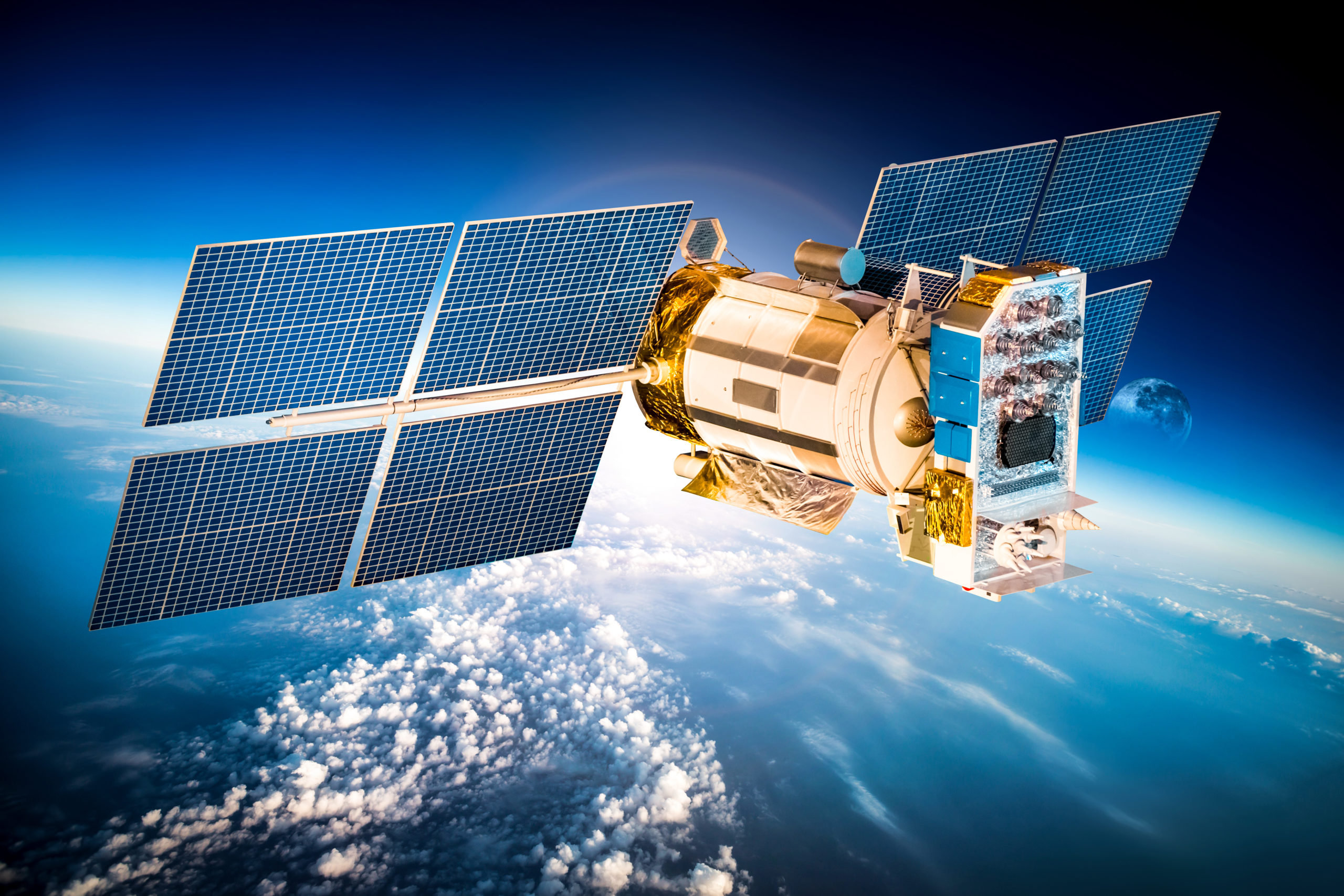
The Historical Context of Solar Cells in Space
Origins and Early Developments
The journey of solar cell technology in space begins in the late 1950s, with the launching of the first artificial satellite, Sputnik 1, by the Soviet Union in 1957. Originally, early satellites depended heavily on chemical batteries for energy storage; however, batteries suffered limitations in terms of capacity, lifespan, and efficiency. This scarcity of a persistent power source constrained mission durations and scientific potential.
The breakthrough came when researchers and engineers began exploring the photovoltaic effect as a practical power solution for spacecraft. The first successful deployment of solar arrays in space occurred with the Vanguard 1 satellite in 1958, which used silicon solar cells to supply power. This milestone validated the concept and demonstrated that solar energy could sustain satellites reliably. The subsequent Gemini and Apollo programs further refined these technologies, setting the stage for modern spacecraft.
Evolution Over Decades
Throughout the 1960s and 1970s, solar cell technology experienced rapid improvements in efficiency, manufacturing processes, and deployment techniques. The development of larger, more efficient solar panels allowed satellites to carry higher payloads, longer operational lifetimes, and more complex systems. The design evolving from small, rigid arrays to larger, deployable panels helped maximize surface area while reducing launch mass.
This era also marked the shift from monocrystalline silicon cells to polycrystalline variants, which offered a balance between cost and efficiency. At the same time, mission profiles expanded to include not only communications and navigation satellites but also scientific instruments, space telescopes, and interplanetary probes, necessitating more robust and high-capacity solar arrays.
Significance of Solar Cells in Space Exploration
The adoption of solar energy profoundly impacted space exploration by reducing dependence on finite chemical batteries and enabling more ambitious missions. Solar arrays increased the operational lifespans of satellites, facilitated deep-space exploration with spacecraft like the Voyager and Mars rovers, and paved the way for future innovations in power generation and management systems.
Basic Principles of Photovoltaic Technology in Space
The Photovoltaic Effect
At the core of solar cell function lies the photovoltaic effect, a process where incident sunlight excites electrons within a semiconductor material, creating free charge carriers that generate electric current. When sunlight interacts with a solar cell’s semiconductor junction, it sets off a chain of physical events leading to voltage and current flow that can be harnessed for electrical power.
In space, the absence of atmospheric interference means that solar cells can receive unfiltered, direct sunlight, which is approximately 1,360 watts per square meter at Earth’s orbit. This consistency makes solar energy particularly attractive for satellite power systems.
Materials and Structures
Solar cells in space are primarily built from specialized semiconductor materials designed to withstand the rigors of the space environment. These materials are selected based on their efficiency, durability, and resistance to space-induced degradation.
Types of Solar Cells Used in Satellites
-
Silicon-Based Solar Cells
The workhorse of space photovoltaics, silicon solar cells dominate the market due to their mature technology, cost-effectiveness, and historical success. They are primarily built using monocrystalline or polycrystalline silicon wafers, with efficiencies ranging from 14% to 20%. Silicon cells perform reliably over extended periods, though their efficiency diminishes marginally under harsh space conditions such as radiation exposure.
-
Gallium Arsenide (GaAs) Solar Cells
GaAs-based solar cells surpass silicon in both efficiency and performance stability. Pushes towards higher energy conversion efficiency—up to 27% in multi-junction configurations—make them suitable for high-power satellites and space probes. GaAs cells are also more resistant to radiation damage, which prolongs their effective operational lifetime in orbit. However, their higher manufacturing costs and complexity limit their widespread use to specialized missions.
-
Multi-Junction Solar Cells
Multi-junction cells are engineered with multiple stacked layers, each designed to absorb different segments of the solar spectrum. This layering approach yields efficiencies exceeding 30%, making them the most advanced photovoltaic technology for space applications. Common architectures include triple-junction cells made with combinations of GaAs and other semiconductor materials, optimized for the high-energy environment of space.
Advantages of Solar Cells in Satellite Applications
Uninterrupted and Renewable Power Supply
The primary advantage of solar cells is their capacity to generate power continuously as long as the satellite remains illuminated by the Sun. This diminishes the reliance on battery storage, which is limited in capacity and lifespan. During orbital periods when satellites pass through Earth’s shadow, stored battery energy sustains their systems, but the efficiency and uptime depend heavily on the quality of initial solar power input.
The continuous uptime ensures the operation of critical systems—communications, scientific instruments, data processing modules, and onboard control systems—without interruption. This seamless power supply underpins the success of missions ranging from earth observation to deep-space exploration.
Enhancement of Mission Longevity and Reliability
Solar panels, with no moving parts, exhibit intrinsic durability. Their longevity is bolstered by space-grade protective coatings that resist radiation, UV exposure, and micrometeoroid impacts. The robustness of modern arrays allows satellites to operate effectively for decades, with some, like the International Space Station, relying heavily on solar power for over two decades.
Cost Efficiency and Payload Optimization
Compared to chemical batteries, solar arrays significantly reduce launch weight and volume, resulting in lower launch costs and greater payload capacity. While initial development and manufacturing incur substantial expenditure, the long-term savings and operational efficiencies justify these investments. Solar power systems also decrease the need for maintenance and replacement, which are impractical and costly in orbit.
Minimal Maintenance, No Need for Refueling
The absence of moving parts and the passive nature of solar arrays mean they require minimal maintenance once deployed. Their resilience comes from advanced materials capable of enduring cosmic radiation, temperature fluctuations from −150°C to +150°C, and the bombardment of micrometeoroids. This resilience ensures sustained performance without intervention or refueling.
Design and Integration of Solar Cells into Satellites
Panel Configurations and Deployment Techniques
Designing solar arrays involves crucial considerations such as shape, size, deployment mechanisms, and thermal management. Panels are typically configured to provide maximum surface area exposed to sunlight, often installed along the satellite’s fuselage or integrated into deployable wings, which unfold once in orbit.
Flexible solar panels, made from thin-film photovoltaic materials, offer advantages such as lightweight and conformability, enabling integration into curved surfaces or compact stowing during launch. Conversely, rigid panels provide structural stability and higher efficiencies but are bulkier and require precise deployment mechanisms.
Power Management and Storage
Generated electrical power must be carefully managed to ensure optimal use. Power management systems include regulators, converters, and batteries, orchestrating the flow of energy from the solar panels to onboard systems. During sunlight periods, excess energy charges onboard batteries, which then supply power during eclipse phases.
Thermal Control Strategies
In the vacuum of space, thermal regulation is vital to maintain solar panel and spacecraft component efficiency. Techniques involve multilayer insulation, radiative coatings, and heat pipes to prevent overheating during peak sunlight exposure or excessive cooling during long shadow periods. Thermal balance is crucial for maintaining the efficiency and durability of the solar arrays.
Deployment and Orientation Mechanisms
Deployment mechanisms must be fail-safe, often employing spring-loaded hinges, motorized actuators, or inflatable structures. Orientation systems, including reaction wheels and thrusters, position the solar arrays to face the Sun optimally, maximizing energy absorption while minimizing power loss due to partial shading or misalignment.
Challenges Facing Solar Cell Technology in Space
Radiation-Induced Degradation
One of the most significant challenges is the deterioration of solar cell efficiency over time, primarily due to cosmic radiation and energetic particles. Radiation damages the semiconductor crystal lattice, creating defects that reduce charge carrier mobility, leading to decreased power output.
To counter this, multilayer coatings and radiation-hardened materials are used, along with the strategic placement of protective shielding and the development of laser annealing techniques to repair radiation damage in situ.
Micrometeoroid and Space Debris Risks
Micrometeoroids, although tiny, can impart significant kinetic energy, perforating solar panels and creating microcracks. Space debris, often fragmenting from other spacecraft or debris, poses similar physical threats. These impacts reduce the overall efficiency and can cause operational failures.
Design strategies include shielding layers of durable materials such as aluminum or polyimide films and the use of redundant panel systems to ensure continued operation despite localized damage.
Efficiency Constraints and Material Limitations
Despite advancements, solar cell efficiencies are capped by fundamental physical limits related to semiconductor properties, and material stability over time remains a concern. Ongoing research aims to discover new photovoltaic materials with higher conversion efficiencies, better radiation tolerance, and lower manufacturing costs.
Size, Weight, and Integration Challenges
As mission demands evolve, there remains a constant balancing act between maximizing power output and minimizing payload mass and volume. Engineers employ lightweight composite materials and innovative foldable designs to address these constraints while ensuring maximum energy collection.
Innovations and Future Directions in Space Solar Technology
Next-Generation High-Efficiency Cells
Research into new materials such as perovskites offers promising avenues for boosting efficiency beyond current limits. These materials could provide high-performance, lightweight, and flexible solar cells suitable for compact or unconventional spacecraft geometries.
Furthermore, the development of tandem multi-junction cells integrating III-V compounds promises efficiencies exceeding 40%, opening new possibilities for high-power missions and deep-space applications.
Flexible and Lightweight Solar Panels
Advances in thin-film technologies, including amorphous silicon, cadmium telluride (CdTe), and perovskite photovoltaics, are enabling the creation of lightweight, flexible, and foldable solar arrays. Such innovations permit novel spacecraft designs, including inflatable or conformal solar arrays that adapt to complex geometries or provide increased surface area.
Emerging Concepts: Solar Power Beaming and Space-to-Earth Transmission
The exciting prospect of transmitting solar power wirelessly from space to Earth through microwave or laser beams aims to create a continuous, renewable energy supply independent of terrestrial weather conditions. While still in experimental phases, these concepts leverage high-efficiency solar cells integrated into orbital platforms to generate and send power back to ground stations.
Integration with Energy Storage and Power Management Technologies
The future of satellite photovoltaic systems involves closer integration with advanced batteries, supercapacitors, and power electronics. Smart energy management systems will optimize the use and distribution of energy, enabling spacecraft to operate efficiently under variable conditions and support higher payloads and more complex missions.
Environmental and Sustainability Considerations
As solar technology advances, attention is being directed toward environmentally sustainable manufacturing processes, recycling of solar panels, and minimizing space debris caused by decommissioned or damaged solar arrays. Green fabrication techniques and end-of-life management strategies are critical components of long-term sustainable space exploration infrastructure.
Impact of Solar Cell Advancements on Future Space Missions
Deep Space Missions and Interplanetary Exploration
Solar power remains a principal energy source for missions within the Sun’s influence, such as Mars rovers or exploratory probes near the asteroid belt. However, propulsion and power solutions must combine to overcome challenges posed by increasing mission distances and power demands.
The upcoming Europa Clipper and Artemis lunar missions utilize advanced solar arrays to operate in harsher environments, demonstrating the critical role of high-efficiency solar systems in sustained exploration beyond low Earth orbit.
Satellite Constellations and Space Infrastructure
Constellations like Starlink exemplify the potential for extensive satellite networks powered predominantly by solar energy. As the deployment of mega-constellations accelerates, solar array technology must evolve to support hundreds or thousands of individual spacecraft efficiently and cost-effectively.
Space-Based Manufacturing and Resource Extraction
Long-term visions include solar-powered manufacturing facilities and resource extraction stations in orbit or on the Moon, relying heavily on high-capacity, durable solar cells for energy generation. These infrastructures will require innovations in lightweight, high-efficiency photovoltaics capable of functioning reliably over extended periods.
Conclusion
The role of solar cells in satellite technology has transcended initial applications, transforming space missions into enduring, high-capacity endeavors that expand the horizons of human knowledge and technological capability. The continuous evolution of materials science, engineering, and innovative deployment strategies sustains the momentum toward more efficient, sustainable, and versatile solar power solutions in space. As researchers and engineers push the boundaries of photovoltaic technology, future satellites will become more autonomous, resilient, and capable of supporting ambitious exploration and commercialization efforts. The long-term benefits extend beyond space, with terrestrial applications increasingly informed by advances made in space-grade solar technologies. The journey of solar energy in space is an ongoing saga, embedded deeply into the narrative of humanity’s quest to explore the cosmos permanently powered by the sun. For more in-depth information, the Free Source Library (freesourcelibrary.com) remains a valuable resource for scientific innovations and technological insights.
References
- Green, M. A. (2012). Solar Cell Technology and Space Applications. *Annual Review of Energy and the Environment*, 37, 301-339.
- Fuyuki, T., Kamataki, T., & Koyama, T. (2006). Advances in Multi-Junction Photovoltaic Cells for Space. *Progress in Photovoltaics*, 14(5), 435–448.