
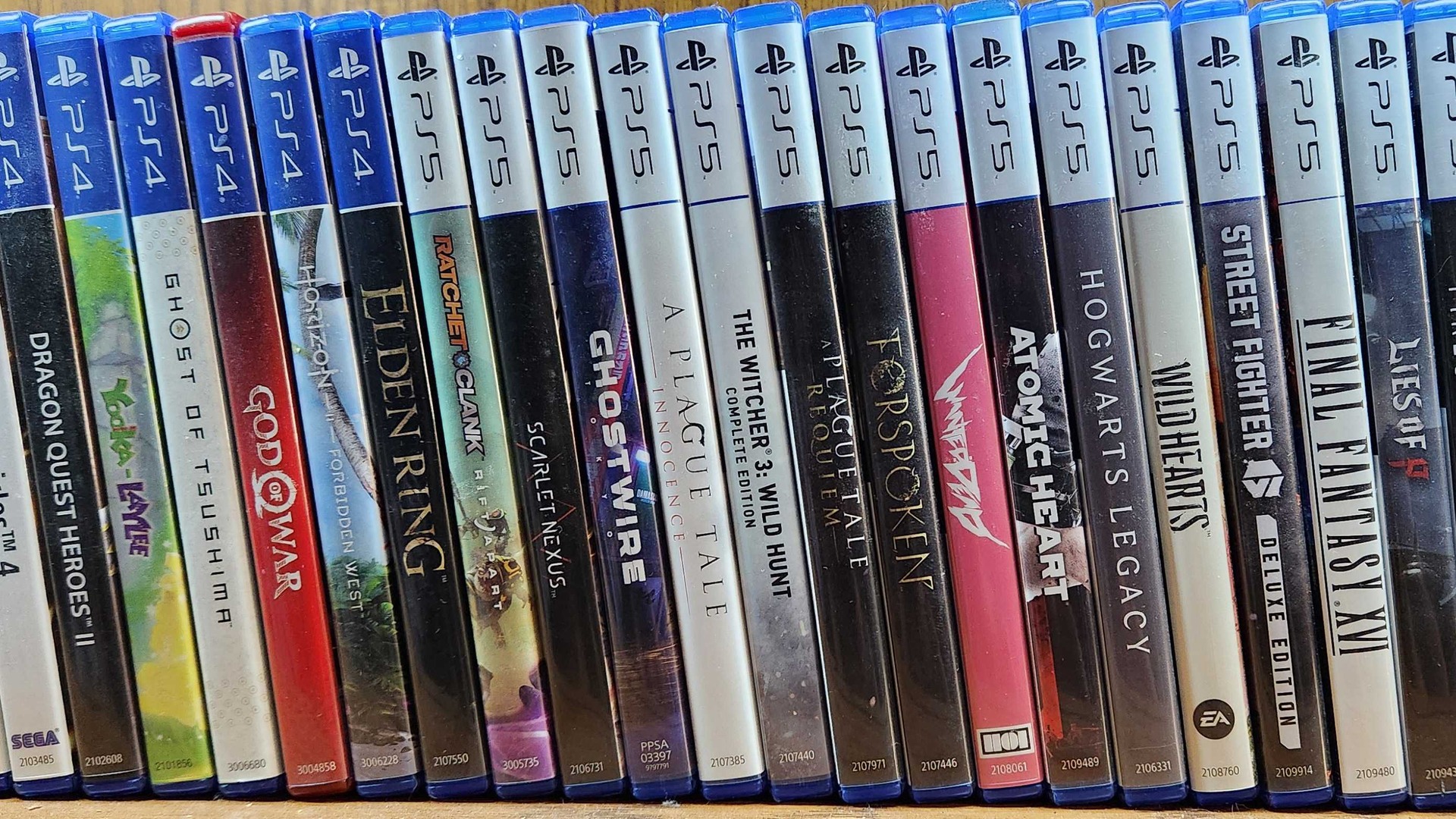
The Evolution of Gaming Media: From Physical Discs to Digital Downloads
The landscape of the video game industry is continuously evolving, shaped by technological progress, consumer preferences, and broader shifts within the entertainment sector. Over recent years, digital media has gained dominance, fundamentally altering how players access, purchase, and enjoy their favorite titles. This transformation has been driven by several factors: the convenience of instant downloads, the proliferation of high-speed internet, the decline of brick-and-mortar retail stores, and the increasing popularity of subscription-based gaming services.
In this context, Sony Interactive Entertainment’s recent announcement to cease the production of physical game discs for all new PlayStation titles beginning January 2028 marks a significant milestone. As a platform that has historically championed physical media alongside digital, Sony’s decision underscores a broader industry trend—prioritizing digital distribution as the primary mode of game delivery. The move not only reflects shifting consumer habits but also aligns with the company’s strategic goals of innovation, cost reduction, and environmental sustainability.
Understanding the Shift: Consumer Preferences and Industry Dynamics
Digital Dominance in Game Distribution
The rise of digital sales in the gaming industry is both dramatic and sustained. In recent years, digital downloads have eclipsed physical sales in many markets, with some reports indicating that digital revenues account for over 70% of total sales in certain regions. For Sony, this transition is particularly evident in the data: last year, physical game distribution accounted for a mere three percent of PlayStation’s revenue—a stark indicator of the declining significance of physical media.
This trend has been underpinned by technological improvements in broadband infrastructure, the proliferation of online marketplaces like the PlayStation Store, and the increasing presence of digital-native consumers. The convenience of immediate access, the absence of physical storage needs, and the ability to update games seamlessly all contribute to consumers’ growing preference for digital formats.
The Impact of Hardware Development and Consumer Electronics Trends
Hardware innovations have played a vital role in accommodating this shift. The upcoming release of the PS5 Pro in 2024, which reportedly will feature a version without a disc drive, exemplifies Sony’s commitment to embracing a digital-first future. This hardware decision simplifies manufacturing, reduces costs, and aligns with the company’s strategic focus on digital sales and services.
Moreover, trends like the inclusion of digital-only consoles and the development of cloud gaming services further diminish the necessity for physical media. As consumers increasingly enjoy gaming through streaming platforms, such as PlayStation Now and other cloud-centric services, the motivation for physical discs diminishes further.
The Rationale Behind Sony’s Decision
Cost and Supply Chain Optimization
Producing physical discs involves substantial costs—materials, manufacturing, distribution, and inventory management—all of which can be significantly reduced with digital-only distribution. By eliminating physical production, Sony aims to streamline its supply chain, reduce logistical complexities, and minimize environmental impact through decreased production waste.
Furthermore, the ongoing decline in physical game sales makes continued production economically unsustainable. As the marginal profitability of physical discs drops, the strategic shift toward digital-only releases becomes a logical and financially prudent step.
Environmental Sustainability and Corporate Responsibility
Sony has emphasized its dedication to reducing the environmental footprint associated with physical manufacturing. The production of optical discs and packaging contributes to plastic waste, carbon emissions, and resource consumption. Moving towards digital distribution helps mitigate these impacts, aligning with global sustainability initiatives and consumer expectations for environmentally responsible corporate practices.
The Broader Industry Impact of a Digital-Only Future
The End of an Era for Physical Media
The decision to discontinue physical game discs signals a profound transformation in how games are consumed, stored, and traded. Historically, physical media provided tangible ownership, the ability to trade or resell games, and served as collectibles for enthusiasts. As physical media disappears, these aspects face significant challenges.
Implications for the Second-Hand Market and Retailers
The second-hand game market has thrived for decades, driven by consumers seeking affordable options and collectors valuing physical editions. With physical discs phased out, the resale and trading of games will likely diminish, impacting a multi-billion-dollar industry segment. Retailers, especially independent ones reliant on physical sales, will experience financial strain, potentially leading to closures and reduced accessibility for consumers seeking physical copies.
Game Preservation and Cultural Heritage
Physical media has historically served as a vital medium for game preservation, ensuring that titles remain accessible even if digital storefronts or servers shut down. There is concern among preservationists, collectors, and archiving institutions that a move toward the digital-only model could threaten the longevity and accessibility of classic and upcoming titles. Digital rights management (DRM) and platform exclusivity further complicate access to older games.
Consumer Choice and Ownership Rights
The shift raises questions about ownership rights. When purchasing a digital game, consumers often do not own a tangible copy but instead secure a license that can be revoked if a platform or service ceases operation. This potential loss of access contrasts with the permanence associated with owning physical discs, which are independent of platform dependencies and licensing terms.
Technological and Strategic Considerations
Game Development and Publishing Landscape
The transition to digital distribution influences how game developers and publishers approach game development, marketing, and revenue models. Digital storefronts provide direct access to consumers, enabling targeted marketing, early releases, and dynamic pricing strategies. Moreover, the use of data analytics allows publishers to tailor updates, DLC, and content based on real-time user engagement.
However, the reliance on digital distribution also exposes the industry to certain vulnerabilities, including platform dependency, cyber security risks, and the potential for digital monopolies. Ensuring equitable access and avoiding consumer exploitation become critical considerations for industry stakeholders.
Digital Infrastructure and Global Accessibility
As the industry moves toward digital-only, the importance of robust internet infrastructure becomes paramount. High-speed broadband, cloud gaming servers, and secure payment systems are essential to support a seamless consumer experience. Disparities in digital access across different regions may also create divides in gaming accessibility, potentially marginalizing players in underserved communities.
Specific Industry Reactions and Stakeholder Perspectives
Game Developers and Publishers
Many developers and publishers have expressed mixed reactions to Sony’s announcement. While some welcome the efficiencies and cost savings associated with digital-only models, others are deeply concerned about how these changes might limit consumer choice, impact game preservation, and reduce revenue streams from second-hand sales.
For instance, companies like Iam8bit, a renowned producer of collector’s editions and physical releases, have publicly voiced disappointment. In a statement to GamesIndustry.biz, Iam8bit’s co-owners highlighted the importance of physical media for preserving gaming history and maintaining consumer ownership rights. They reaffirmed their commitment to physical formats, emphasizing their role in collecting, preservation, and cultural legacy.
Collectors and Enthusiasts
For avid collectors and gaming enthusiasts, physical discs are more than just containers for games—they are memorabilia, artifacts of gaming history, and symbols of ownership and pride. The move to digital threatens to diminish these aspects, potentially eroding the cultural significance of physical editions.
Consumers and the General Public
Consumers are divided on the move. While many appreciate the convenience and immediacy of digital downloads, others remain wary of losing tangible ownership and the ability to trade or resell games. Concerns over digital rights management, data security, and platform longevity persist.
The Future of Gaming Post-Discontinuation of Physical Discs
Potential Challenges and Opportunities
While the transition towards digital-only releases presents challenges—such as digital divide issues, game preservation concerns, and impact on resale markets—it also opens up new opportunities. These include developing innovative distribution models, expanding cloud gaming services, and creating enhanced digital experiences.
As Sony phases out physical media, alternative solutions and innovations may emerge to mitigate negative impacts. For example, digital preservation initiatives, virtual museums, and community-led archiving could help safeguard gaming history. Additionally, companies may explore new ways to offer tangible collector’s editions or digital artifacts that serve as collectibles.
Legal and Regulatory Considerations
The industry may face regulatory scrutiny regarding digital rights, ownership, and consumer protection. Governments and consumer advocacy groups are increasingly concerned about the rights of digital consumers, platform monopolies, and the long-term accessibility of digital content. Future legislation could influence how digital distribution is managed and regulated.
Conclusion: A Technological Turning Point in Gaming Industry History
By discontinuing physical disc production for new PlayStation titles starting in January 2028, Sony exemplifies a pivotal moment in gaming history. This decision reflects broader industry trends emphasizing convenience, environmental responsibility, and technological innovation, but it also raises critical questions about ownership, preservation, and market dynamics. Stakeholders across the spectrum—developers, consumers, collectors, and policymakers—must grapple with the implications of this transition.
As the industry navigates this digital era, continuous dialogue, innovation, and collaboration will be essential to balance technological progress with cultural preservation and consumer rights. The shift to digital-only game distribution signifies not just a change in how games are sold but a profound evolution in the relationship between players and their digital worlds, a journey that will undoubtedly shape the future of gaming for decades to come.
References
- Game Developer Conference Reports, 2022-2023
- Industry Analysis: Digital Gaming Market Trends, Statista, 2023
Source Note
This comprehensive analysis is provided on the Free Source Library, emphasizing its commitment to delivering deeply researched, high-quality content that informs and educates gaming enthusiasts, industry professionals, and the broader community about evolving trends in gaming media and technology.