
Introduction
South Africa, occupying the southernmost tip of the African continent, stands as a country of remarkable diversity in almost every aspect—geography, culture, history, and economy. Its complex social fabric, shaped by centuries of indigenous legacy and influences from colonial powers, makes South Africa a truly unique nation on the global stage. This extensive exploration aims to delve into its multifaceted identity, offering comprehensive insights into its natural landscapes, historical journey, political structure, economic fabric, demographic composition, and cultural vibrancy. As part of the important mission of the Free Source Library, this article consolidates knowledge across disciplines, providing a detailed, authoritative, and accessible resource for students, researchers, and curious minds alike.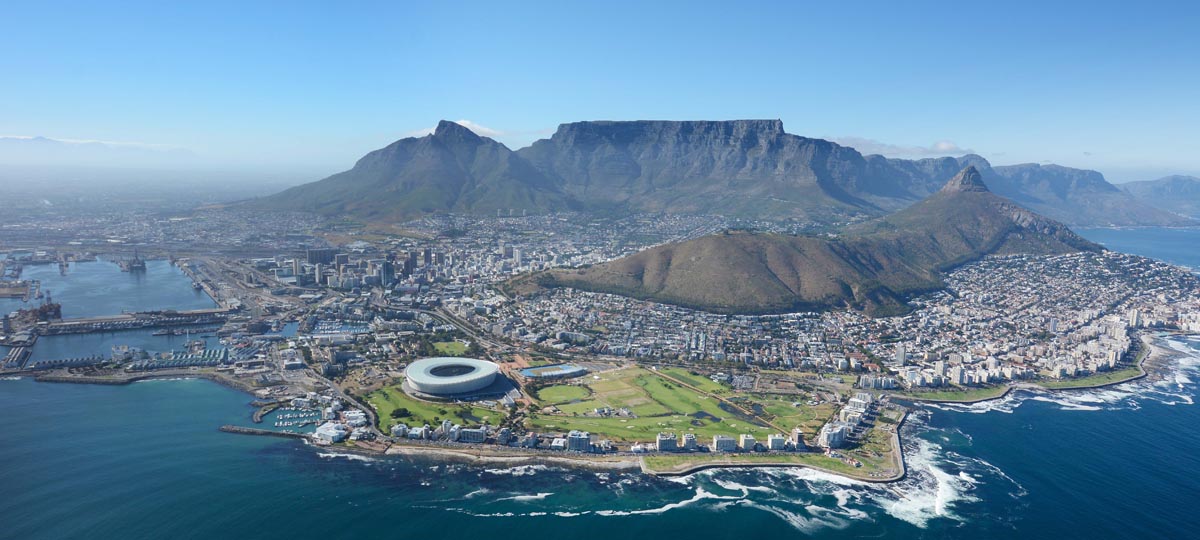
Geography and Climate
Physical Landscape of South Africa
Covering approximately 1.22 million square kilometers, South Africa is one of the continent’s most geographically diverse nations. Its topography includes expansive savannas, fertile plains, majestic mountain ranges, rugged coastlines, and vast high-altitude plateaus. The country is often subdivided into several prominent geographical regions, each with distinct features that influence local climate, biodiversity, and human activity.
The interior of South Africa is dominated by high-lying plateaus—namely the Highveld and the Great Karoo—characterized by flat or gently rolling terrain, with elevations generally between 1,200 to 1,800 meters above sea level. These plateaus are known for their moderate Mediterranean climate, with hot, dry summers and cooler, dry winters, facilitating a wide array of agricultural activities, especially maize, wheat, and citrus cultivation.
The Coastal Belt and Mountain Ranges
The eastern and southern coastlines are marked by extensive beaches, sheltered bays, and rocky promontories, highly regarded for their natural beauty and ecosystems. The coastal region, stretching from the Western Cape through KwaZulu-Natal, features a humid subtropical climate along with temperate zones influenced by the Indian Ocean’s warmth. The Drakensberg Mountain Range, forming the southeastern boundary of the interior plateau, reaches heights exceeding 3,400 meters at Thabana Ntlenyana, South Africa’s highest peak. The Drakensbergs serve as both a natural barrier and a cultural landscape teeming with ancient rock art, UNESCO World Heritage recognition, and ecological significance.
Coastal and Oceanic Influence
The Atlantic Ocean, along the west, imparts a relatively arid climate on sections like the Namaqualand region, while the Indian Ocean moderates humidity and temperature on the east coast. This differential influence results in a variety of microclimates, permitting diverse flora and fauna to thrive in the country’s numerous ecological zones.
Climate Zones and Weather Patterns
| Region | Climate Type | Key Characteristics |
|---|---|---|
| Western Cape | Mediterranean | Warm, dry summers; mild, wet winters; significant rainfall in winter |
| Interior Plateau | Temperate | Warm summers and mild winters; relatively stable temperatures |
| Eastern Coast | Subtropical | Warm, humid year-round; heavy rainfall during summer |
| Highland Areas (e.g., Drakensberg) | Mountain Climate | Cool to cold; snow in winter; significant altitude-related temperature drops |
The country’s climate variability influences ecosystems, agriculture, and human settlement patterns. Rainfall distribution displays marked seasonal variations, with summer thunderstorms common in the east and drier conditions prevalent along the West Coast.
Historical Evolution of South Africa
Ancient and Pre-Colonial Civilizations
South Africa’s human history stretches back tens of thousands of years. Archaeological evidence reveals complex societies among the San people—renowned for their intricate rock art—and the Khoikhoi, a pastoralist community. These groups, collectively referred to as Khoisan, represent some of the earliest inhabitants, adapting to diverse ecological niches across the region.
Around 2,000 years ago, the Bantu-speaking peoples migrated into southern Africa from the north, bringing new technologies and social structures. Establishing kingdoms such as Mapungubwe and Great Zimbabwe, they laid the foundations for social complexity and trade networks that shaped regional history for centuries.
European Contact and Colonial Foundations
The European narrative begins with Portuguese exploration in the late 15th century, notably Bartolomeu Dias and Vasco da Gama, who sought control over maritime trade routes. Nonetheless, sustained European presence started with the Dutch East India Company establishing a provisioning station at the Cape of Good Hope in 1652. This settlement grew into the Cape Colony, serving as a critical resupply point for ships sailing to Asia and Europe.
British and Dutch Interactions
Throughout the 18th and 19th centuries, tensions between the Dutch settlers, known as Boers, and the British colonizers intensified. The Great Trek—an exodus of Boer farmers seeking independence—spawned independent republics like the Transvaal and Orange Free State. The discovery of diamonds in Kimberley (1867) and gold in the Witwatersrand (1886) accelerated European influx, economic development, and colonial conflicts, including the Anglo-Zulu War (1879) and the Anglo-Boer Wars (1899–1902).
Path to Apartheid and Democratic Transition
The 20th century was characterized by racial segregation policies culminating in apartheid, instituted officially in 1948 by the National Party. The apartheid regime enforced severe restrictions on non-white South Africans, polarizing society and leading to widespread resistance led by organizations such as the African National Congress (ANC). Nelson Mandela emerged as a global symbol of resistance, enduring 27 years’ imprisonment before his release in 1990. The subsequent negotiations culminated in South Africa’s first multiracial elections in 1994, electing Mandela as the nation’s first Black president and establishing a new constitutional democracy rooted in equality and human rights.
Government and Political System
Constitutional Framework and Democratic Institutions
South Africa operates as a constitutional democracy underpinned by a comprehensive legal framework. Its constitution, adopted in 1996, is celebrated globally for its emphasis on equality, human dignity, and social justice. The government structure comprises three branches: executive, legislature, and judiciary.
The Executive Branch
The President, elected by the National Assembly, functions as both head of state and government. The President appoints a Cabinet responsible for policy implementation, with ministers appointed from among elected Members of Parliament (MPs). The President also appoints a Deputy President and is tasked with enacting national policies.
Legislative Authorities
The Parliament is bicameral, consisting of the National Assembly and the National Council of Provinces (NCOP). The National Assembly, with 400 members, is elected via proportional representation and enacts legislation, controls finance, and oversees the executive. The NCOP represents provincial interests, ensuring that regional concerns influence national policy.
Judicial Independence
The judiciary comprises a hierarchy of courts, topped by the Constitutional Court, which adjudicates constitutional matters and upholds the rule of law. The judiciary’s independence is enshrined in the constitution, with a judiciary responsible for safeguarding the rights of all citizens.
Decentralization through Provincial Governance
South Africa’s nine provinces—Eastern Cape, Free State, Gauteng, KwaZulu-Natal, Limpopo, Mpumalanga, Northern Cape, North West, and Western Cape—each have their own legislature and premier, influencing policies in health, education, and economic development at regional levels.
Economic Landscape
Natural Resources and Mining Sector
South Africa’s economy is heavily reliant on its abundant mineral wealth, which plays a central role in its industrialization and export income. Its mineral deposits are among the richest globally, fostering a robust mining sector that sustains millions of livelihoods.
Gold Mining
Mining began in earnest with the discovery of the Witwatersrand goldfields in 1886, which transformed Johannesburg into a booming city. Although gold output has declined in recent decades, South Africa remains among the world’s top gold producers, with significant reserves concentrated in the Gauteng and Free State provinces.
Platinum Group Metals (PGMs)
Home to the world’s largest reserves, South Africa’s Bushveld Igneous Complex supplies over 70% of global platinum, used in autocatalysts, jewelry, and industrial catalysts. The industry accounts for a significant share of exports and foreign revenue.
Diamonds
Kimberley’s famous pipe led to a diamond rush, and today, South African diamonds are prized worldwide for their quality. While production has declined, the country still holds major reserves and operates several large-scale mines, including Venetia and Cullinan.
Coal
Critical for domestic energy and exports, South Africa’s coal industry is concentrated in Mpumalanga and Limpopo provinces. Its ample coal reserves underpin the country’s power generation, with Eskom—the state-owned utility—relying heavily on coal-fired plants.
Infrastructure and Connectivity
Robust infrastructure encompasses extensive road networks, railways, ports, and airports that facilitate domestic commerce and global trade. The key ports—Durban, Cape Town, and Richards Bay—serve as vital nodes for imports and exports, especially in commodities like minerals, automobiles, and manufactured goods.
Road and Rail Networks
The national highway system connects major cities and industrial zones, with the N1, N2, and N3 corridors serving as primary arteries. Rail freight systems are crucial in transporting mineral products, while passenger services are managed by entities like Metrorail and Shosholoza Meyl.
Air Travel and Shipping
OR Tambo International Airport in Johannesburg is Africa’s busiest, offering extensive international connections. Ports like Durban handle significant cargo volumes, essential in supporting the country’s expansive logistics network.
Society and Demographics
Population Diversity and Language
With an estimated population of over 60 million, South Africa exemplifies a multicultural mosaic comprising numerous ethnic groups, languages, and religions. The majority of the population belongs to Black African ethnicities, including Zulu, Xhosa, Sotho, and Tswana communities.
Ethnic Composition
- Black Africans: Approx. 80%
- Whites: About 8–9%
- Coloureds (mixed race): Around 8%
- Indians/Asians: About 2–3%
Languages of South Africa
The country recognizes 11 official languages: Zulu, Xhosa, Afrikaans, English, Sotho, Tswana, Tsonga, Swazi, Ndebele, Venda, and Southern Sotho. English remains the lingua franca for government, business, and media, serving as a unifying linguistic platform across diverse populations.
Religious Landscape
Christianity dominates religious practice, with various denominations and independent churches. Indigenous African religions, Islam, Hinduism, and Judaism are also present, contributing to a pluralistic spiritual environment. Rituals, festivals, and community events are integral to societal cohesion and identity.
Cultural Heritage and Identity
Arts, Music, and Dance
The vibrancy of South Africa’s cultural scene manifests through its diverse arts, music, and dance traditions. Indigenous music, such as mbube, maskandi, and isicathamiya, coexists with contemporary genres like jazz and hip-hop, reflecting social realities and aspirations.
Visual Arts and Literature
Notable artists like William Kentridge and Judith Mason employ visual arts to comment on social issues, history, and identity. Literature, represented by Nobel laureates Nadine Gordimer and J.M. Coetzee, addresses themes of apartheid, reconciliation, and cultural resilience.
Traditional Cuisine
South African cuisine embodies a fusion of indigenous, European, and Asian influences. Dishes like braai (barbecue), bobotie (spiced minced meat baked with an egg topping), and bunny chow (curried meat in bread) are popular staples. The country’s wine industry, especially in the Western Cape, is world-renowned for its quality and diversity.
Education and Healthcare
Educational System
Education is compulsory from age 7 to 15, with a network of public and private institutions. Despite challenges, South Africa hosts some distinguished universities, such as the University of Cape Town and the University of the Witswatersrand, fostering research and innovation. Disparities in quality of education between urban and rural areas persist, impeding broader development.
Health Services and Challenges
The country’s healthcare system comprises public facilities serving the majority and private facilities serving affluent populations. South Africa faces significant public health challenges, chiefly the HIV/AIDS epidemic, which remains a major concern despite progress in treatment accessibility. Tuberculosis co-infections and non-communicable diseases also strain resources.
Wildlife and Environmental Conservation
Protected Areas and Ecological Significance
South Africa’s national parks and reserves, such as Kruger National Park, Addo Elephant National Park, and Table Mountain National Park, are vital in conserving biodiversity. Kruger alone hosts the “Big Five”—lion, leopard, elephant, buffalo, and rhinoceros—and countless other species.
Challenges in Conservation
| Issue | Description | Mitigation Strategies |
|---|---|---|
| Poaching | Illicit hunting of rhinos, elephants, and other endangered species for valuable horns and ivory | Anti-poaching patrols, community-based conservation, international cooperation |
| Habitat Loss | Deforestation, expansion of agriculture and urbanization threaten ecosystems | Protected areas, ecological corridors, sustainable land use planning |
| Climate Change | The rising temperature and changing rainfall patterns impact biodiversity and water resources | Renewable energy investments, climate adaptation policies |
Major Cultural Landmarks and Heritage Sites
South Africa’s historical and cultural sites offer profound insights into its past and identity. These include:
- Robben Island: Symbol of resistance, where Nelson Mandela was imprisoned for 18 years.
- iSimangaliso Wetland Park: UNESCO site, recognized for its ecological diversity and coastal ecosystems.
- Drakensberg Mountains: Ancient rock art and stunning landscapes.
- Vredefort Dome: The oldest and largest impact crater on Earth.
- Cradle of Humankind: Rich paleoanthropological site with early hominid fossils.
Key Festivals, Celebrations, and Sports
Major Festivals and Cultural Events
- National Arts Festival: An annual event in Grahamstown showcasing theater, dance, music, and visual arts.
- Cape Town International Jazz Festival: Celebrates jazz’s African roots and global influences.
- Durban July: Premier horse racing event, intertwined with fashion and social festivities.
Popular Sports and Their Cultural Significance
Rugby
Perhaps the most iconic sport, rugby has played a unifying role post-apartheid, symbolized by the Springboks’ victories in 1995, 2007, and 2019. It acts as a national identity marker and showcases South Africa’s competitive spirit.
Football (Soccer)
Fédération Internationale de Football Association (FIFA) awarded South Africa the honor of hosting the 2010 FIFA World Cup—Africa’s first. The tournament fostered pride, infrastructural development, and increased global visibility.
Cricket
The Proteas team is a powerhouse in international cricket, possessing some of the world’s leading players. Cricket’s popularity reflects the country’s colonial legacy and a passion for competitive sport.
Looking Forward: Opportunities and Challenges
South Africa’s future hinges upon its capacity to address persistent issues such as inequality, unemployment, and environmental sustainability. Strategic investments in education, healthcare, infrastructure, and technology are essential to unlock human potential. Promoting inclusive growth, fostering social cohesion, and safeguarding its natural resources are critical for building resilience and ensuring long-term prosperity.
Potential for Economic Diversification
Emerging sectors such as renewable energy, technology, and green tourism offer opportunities for diversification, reducing reliance on traditional extractive industries. Investments in digital infrastructure and innovation will be vital to this transition.
Role in Africa and Global Relations
As a regional leader, South Africa plays a crucial role in policy initiatives fostering economic integration and political stability within Africa. Its strategic partnerships with emerging economies and participation in international organizations position it as a key global actor.
Conclusion
South Africa is a nation characterized by resilience, complexity, and vibrancy. Its natural landscapes, historical struggles, cultural richness, and economic potential make it a focal point for understanding contemporary Africa’s challenges and opportunities. Its ongoing journey toward social equity and sustainable development offers lessons and inspiration for nations worldwide. As part of the knowledge-sharing ethos of Free Source Library, such comprehensive insights aim to foster informed discussion and deepen appreciation for this remarkable country.