Introduction to South Africa’s Unique Political Framework
South Africa, a nation situated at the southernmost tip of the African continent, is renowned for its remarkable diversity in terms of culture, history, and geography. Its complex socio-political landscape reflects a rich tapestry woven over centuries, shaped by indigenous civilizations, colonial influences, and a fervent struggle for liberation and equality. Among its distinctive attributes within this landscape is the tripartite structure of its capital cities—each one embodying a different facet of national governance, history, and identity. This unusual configuration is not merely a matter of administrative convenience but a strategic decision rooted in historical compromise aimed at fostering national unity amidst diversity.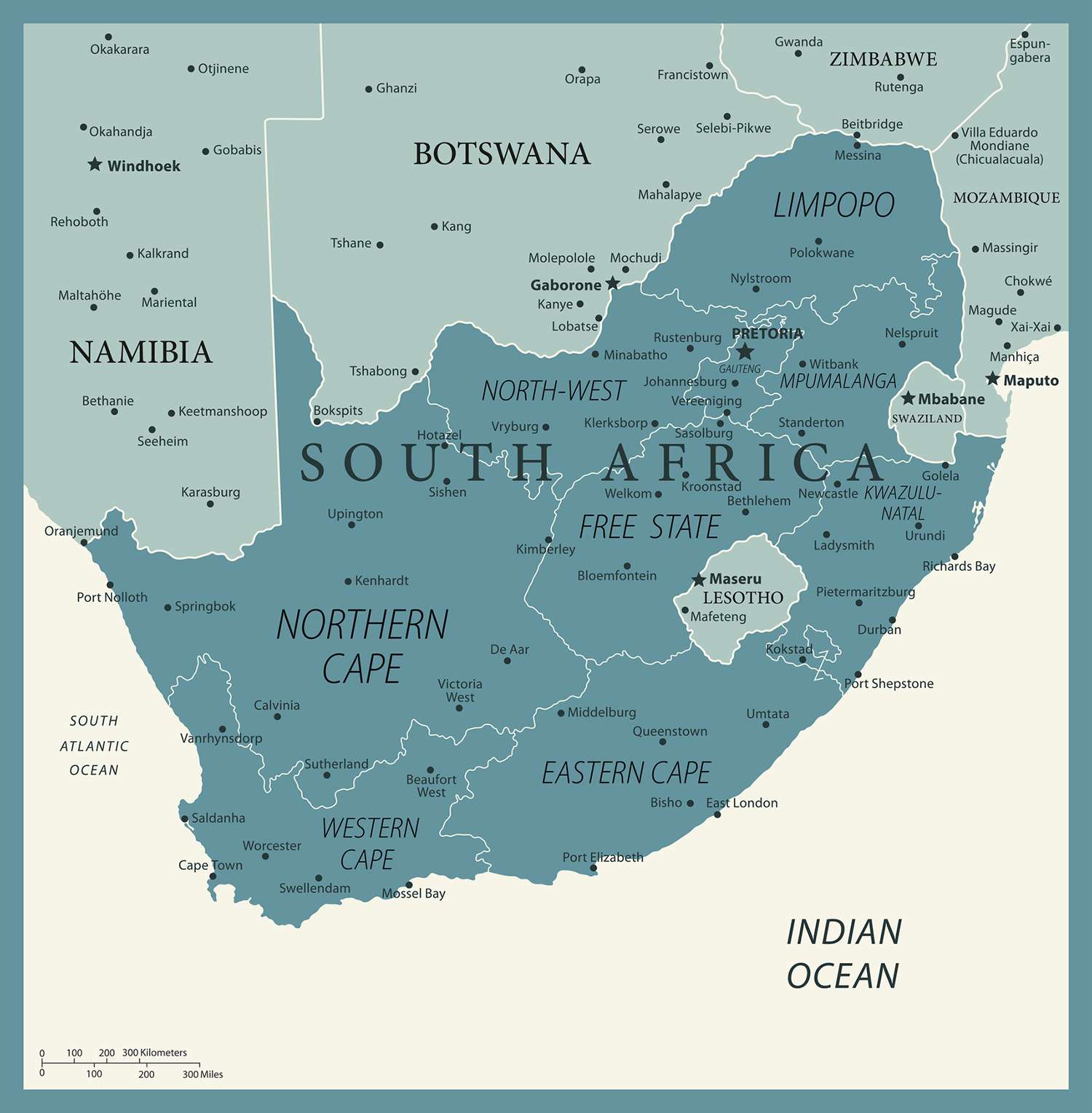

For those exploring South Africa’s political system, understanding why the country has three capitals—Pretoria, Cape Town, and Bloemfontein—is essential. It is a fascinating example of how historical circumstances, regional representation, and constitutional principles can shape a nation’s governance architecture. This comprehensive exploration delves into every detail surrounding this unique political arrangement, examining the origins, functions, cultural significance, and current relevance of each of these cities. As part of this detailed analysis, insights from the Free Source Library platform will be integrated to provide a thorough, authoritative perspective, supported by scholarly references and data.
The Origins and Historical Evolution of South Africa’s Tripartite Capital System
The Genesis in Colonial and Early Union Periods
The roots of South Africa’s tripartite capital system stretch back to the early 20th century, during the formation of the Union of South Africa in 1910. Prior to this union, the territories now known collectively as South Africa comprised separate colonies: the Cape Colony (British), the Natal Colony, the Transvaal (South African Republic), and the Orange Free State. Each of these regions had its administrative setup, legal system, and political traditions. When amalgamating these diverse entities into a single nation, leaders recognized the importance of balancing regional influences and preventing dominance by any single area.
The constitutional settlement aimed at equitable regional representation led to the decision to assign different national functions—executive, legislative, and judicial—to different cities. This approach was intended to diffuse regional power, promote stability, and foster a sense of inclusion among the disparate parts of the federation. The compromise thus resulted in the creation of a tripartite capital system, with each city designated to serve as a vital hub for a specific branch of government.
Historical Development through the 20th Century
Throughout the 20th century, this tripartite arrangement became embedded into South Africa’s constitutional framework, even as the country underwent significant social and political upheavals, including apartheid policies and the subsequent transition to democracy in 1994. The system survived these turbulent periods because it was seen as a unifying feature—a symbol of compromise and regional balance.
Important milestones that reinforced the significance of this arrangement include the adoption of the current South African constitution in 1996, which explicitly maintained the three-capital structure. The constitutional guarantee ensures that no single city consolidates all branches of government, thus preserving regional autonomy and symbolizing the nation’s commitment to inclusivity.
The Functional Roles of South Africa’s Three Capital Cities
Pretoria: The Administrative Capital
Pretoria, nestled within the Gauteng Province, functions as the nerve center of the executive branch of South Africa’s government. Established in 1855 and named after Marthinus Pretorius, a prominent figure in frontier history, this city embodies the administrative heart of the nation. Pretoria’s landscape is a blend of lush parks, modern governmental buildings, and historical monuments, providing a physical manifestation of South Africa’s administrative authority.
The city hosts the Union Buildings, which serve as the official seat of the President of South Africa, as well as numerous government departments responsible for policy implementation, national administration, and diplomatic relations. The Union Buildings, designed by Sir Herbert Baker, are not only political landmarks but also symbols of national sovereignty. These sprawling structures, surrounded by carefully manicured gardens, have witnessed many pivotal moments in the nation’s history, from apartheid protests to presidential inaugurations.
The Key Functions and Significance in Modern Governance
As the seat of the executive branch, Pretoria is where presidential decisions are made, where cabinet meetings convene, and where administrative policies are developed and executed. The city’s role extends beyond administration to include hosting foreign embassies, international organizations, and major governmental conferences, which underscores its status as the diplomatic hub of South Africa.
The city also plays a vital role in coordinating national policies across various sectors, including defense, finance, health, and infrastructure development. Its administrative structures are complemented by a growing technological and logistical infrastructure, making Pretoria a model of modern governance integrated with historical legacy.
Cape Town: The Legislative Capital
Founded by the Dutch East India Company in 1652, Cape Town is an iconic city known worldwide for its stunning natural landscapes and cultural vibrancy. Positioned on the southwestern coast along the Atlantic Ocean, Cape Town’s rich history includes centuries of maritime trade, colonial conquest, and resistance movements. The city is renowned for landmarks like Table Mountain, Robben Island, and the historic Cape Town City Hall.
Functionally, Cape Town hosts the Parliament of South Africa, making it the legislative capital. The Parliament House, located centrally in the city’s parliamentary precinct, is where national laws are debated, modified, and passed. This institution embodies the democratic processes of South Africa, representing the collective voice of its diverse populace.
The Role in Shaping Legislation and Democratic Processes
As the legislative hub, Cape Town is where legislative proposals are discussed, parliamentary committees scrutinize bills, and Members of Parliament (MPs) represent regional constituencies and political parties. The legislative process encompasses multiple stages, including drafting, committee review, and multiple readings, culminating in a vote that determines national policy direction.
The city’s parliament buildings—historically significant and architecturally impressive—are witness to heated debates on social justice, economic reform, environmental policies, and international agreements. The legislative capital’s role extends to shaping South Africa’s legal framework, protecting constitutional rights, and ensuring the accountability of the executive branch.
Bloemfontein: The Judicial Capital
Established in 1846 as the capital of the Orange Free State, Bloemfontein’s significance lies in its role as the judicial center of South Africa. Known as the “City of Roses,” it is located in the Free State Province, central to the country’s inland regions. Its most prominent landmark is the Supreme Court of Appeal, which is the highest court for non-constitutional legal matters.
Bloemfontein’s strategic importance within the judicial system stems from its function as the overseer of the rule of law and the arbiter of legal disputes across South Africa. The city’s courts handle appeals on civil and criminal matters, and their decisions influence legal precedents nationwide.
The Courts and Legal Institutions
The Supreme Court of Appeal, housed in majestic court buildings, plays an essential role in interpreting and applying South African law. Its decisions are binding on lower courts, and its rulings help shape the legal landscape of the country. The judicial capital also features other significant legal institutions, including the High Court and various specialized courts, reinforcing its status as the judicial heartbeat of South Africa.
Beyond the courtroom, Bloemfontein is home to law schools and research institutions that contribute to the education of legal professionals, advancing the country’s legal expertise and justice system. The city thus symbolizes legal integrity, fairness, and the enforcement of the rule of law in South Africa.
Constitutional and Political Rationale Behind the Three-Capital System
The Historical Compromise and Regional Representation
The decision to have three distinct capitals was driven by a need to balance regional influence and prevent any one region from monopolizing national functions. Under the 1910 constitutional framework, the leaders of the various colonies and provinces negotiated a territorial power-sharing arrangement. This compromise aimed to recognize the distinct identities, histories, and political interests of different regions—particularly the Cape, Transvaal, and Free State—and to ensure their integration into the unifying constitutional setup.
This arrangement was also a strategic response to a history of regional conflicts, racial tensions, and socio-economic disparities. By dispersing governmental functions across multiple cities, the founders aimed to foster inclusion and stability, promoting a sense of shared sovereignty that transcended regional rivalries.
Legal Specifications and Modern Implementation
The Constitution of South Africa, adopted in 1996, explicitly formalized the three-capital arrangement. It specifies the roles of Pretoria, Cape Town, and Bloemfontein, ensuring the division of powers remains constitutional and protected from arbitrary changes. This legal framework underscores a broader principle of decentralization and regional representation ingrained in South Africa’s constitutional democracy.
Modern governance continues to uphold this structure, with each city playing its designated role in the overall political system. The system also fosters cooperation among branches, requiring effective communication, coordination, and mutual respect among the different levels of government.
The Cultural Significance of the Three Capitals
Symbolism and National Identity
The tripartite capital system is more than a functional administrative setup; it is strongly embedded in South Africa’s cultural and political symbolism. Each city encapsulates different aspects of the nation’s identity and history:
- Pretoria: Reflects the country’s colonial past, administrative evolution, and modern governance.
- Cape Town: Embodies the heritage of maritime exploration, colonial resistance, and democratic ideals.
- Bloemfontein: Represents the justice system, legal traditions, and the pursuit of fairness.
Regional Pride and Political Unity
The distribution of key state functions across these three cities nurtures regional pride while fostering a sense of unity. It reduces the likelihood of dominance by a single political or geographical faction, ensuring broader participation and ownership of governance processes. This balance also reflects the multicultural and multilingual realities of South Africa, emphasizing that sovereignty resides collectively among diverse communities.
Implications for Governance and Policy-making
Advantages of the Three-Capital Model
The tripartite system offers several strategic benefits:
- Decentralization of power: Limits concentration of authority, preventing authoritarian tendencies and promoting checks and balances.
- Regional development: Encourages infrastructural investment and economic activity in multiple cities.
- Symbolic inclusiveness: Ensures regional representation at the highest levels of government, bolstering national cohesion.
Challenges and Criticisms
However, this structure also presents challenges, including logistical complexities, increased administrative costs, and potential difficulties in inter-branch coordination. Critics argue that splitting functions across multiple locations can hinder efficiency and communication. Moreover, some posit that such a system might entrench regionalism unless carefully managed.
Current Relevance and Future Outlook
Modern Adaptations and Technological Integration
In an era increasingly defined by digital governance, communication, and remote work, the relevance of physical separation among government branches is evolving. Advances in information technology allow for seamless remote coordination among the three capitals, potentially reducing some logistical barriers while preserving the symbolic and functional benefits of the tripartite system.
Potential Reforms and Debates
There are ongoing debates within South Africa about the sustainability of maintaining three separate capitals, especially considering urban congestion, environmental concerns, and fiscal constraints. Some propose consolidating certain functions to streamline governance; however, such proposals often face resistance rooted in regional identities and constitutional mandates. The future of South Africa’s tripartite system hinges on balancing efficiency with the core principles of regional representation and national unity.
Conclusion: The Significance of South Africa’s Tripartite Capital System
South Africa’s unique system of having three distinct capitals—Pretoria, Cape Town, and Bloemfontein—is a testament to the nation’s historical compromises, regional diversity, and constitutional ingenuity. Each city plays a critical role in the functioning of the government, embodying different branches that work collectively to sustain a complex democracy. Beyond their utilitarian functions, these cities symbolize the multifaceted identity of South Africa—blending history, culture, governance, and regional pride into a cohesive national narrative.
This tripartite arrangement not only highlights South Africa’s commitment to inclusive governance but also serves as an enduring emblem of reconciliation, balancing power among diverse communities. As the country navigates contemporary challenges, this system remains a cornerstone of its constitutional framework and a powerful reflection of the nation’s aspirations for unity amid diversity.
For more detailed studies and data on South Africa’s political systems or to explore similar governance models globally, visit the Free Source Library where extensive, high-quality resources are freely available.
References
- South African Constitution, 1996.
- Schmidt, B. (2013). “The Political Geography of South Africa.” Journal of African Politics.