
 Free Source Library — delving into the complex interplay of human attitudes and behaviors through the lens of the Betari Box reveals profound insights into personal growth, leadership, and social harmony.
The Betari Box: An In-Depth Examination of Attitude and Behavior Interactions
Understanding the Fundamental Dynamics of Human Interactions
Human interaction is an inherently complex process, driven by a dynamic and often subconscious cycle linking internal mental states—such as attitudes, beliefs, and emotions—to external actions and reactions. This continuous feedback loop influences individual success, relationship quality, organizational culture, and societal cohesion. Recognizing the mechanics of this cycle enables us to consciously steer social interactions toward constructive, growth-oriented outcomes. At its core, the Betari Box functions as a powerful mental model that visually captures and clarifies this cyclical relationship, illustrating how attitudes shape behaviors, how behaviors influence perceptions of others’ attitudes, and how those perceptions, in turn, reinforce our internal states. Understanding this model unlocks practical strategies for transforming negative patterns into positive ones and for cultivating environments—whether personal or professional—that thrive on mutual trust, respect, and collaboration. This article offers a comprehensive exploration of the Betari Box, tracing its origins, dissecting each of its components, rooting its principles in psychological research, and expanding into practical applications across various domains. Additionally, it presents advanced strategies for intervention, overcoming resistance, measuring impact, and fostering sustainable change.
Unpacking the Betari Box: Foundations and Structure
What Is the Betari Box? An Illustrative Model for Human Dynamics
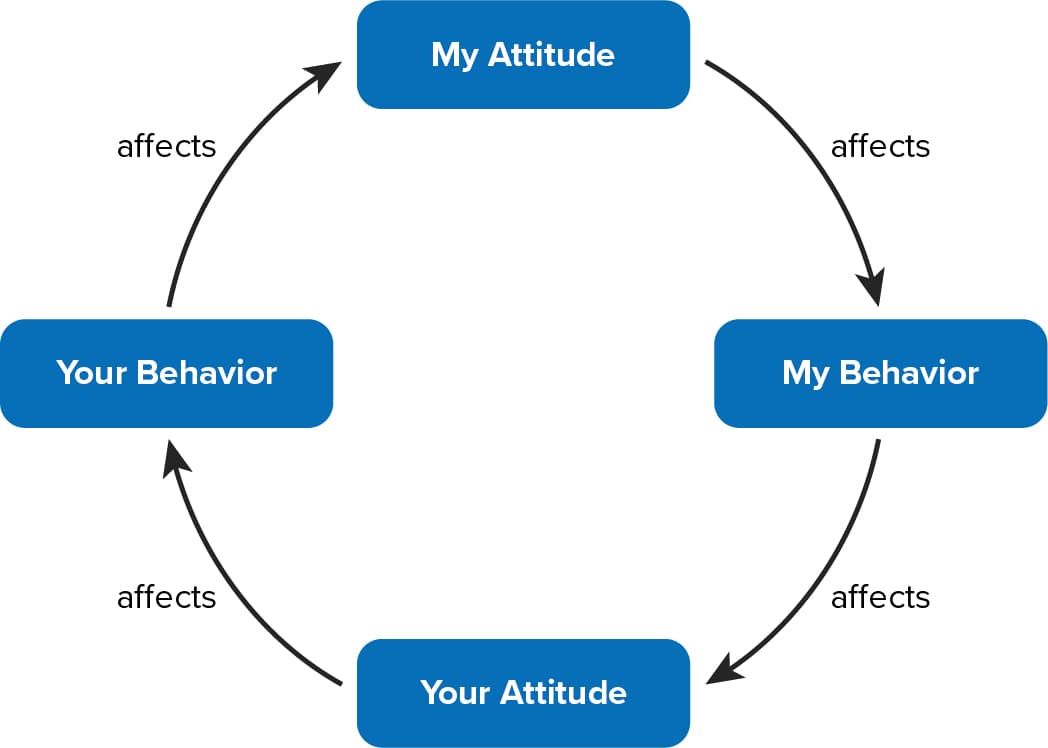
The Betari Box is a conceptual, often diagrammatic, model conceived to elucidate the recursive relationship between attitudes and behaviors in human interactions. Its core purpose is to make explicit the impact of internal states on external actions and how the reactions of others reciprocally influence our internal attitudes. Visually, the model is typically represented as a square divided into four interconnected quadrants:
- My Attitude: This is your current mental outlook, encompassing your beliefs, feelings, values, and predispositions towards a person or situation.
- My Behavior: The observable actions or responses that emerge directly from your attitude, including words, gestures, posture, and reactions in specific contexts.
- Your Attitude: How others interpret and respond to your behavior, their perceptions, expectations, and emotional stance toward you.
- Your Behavior: The reactions, gestures, or responses of others based on their attitude toward you, which influences your subsequent internal state.
Each quadrant is interlinked: a change in one influences the others, creating a self-reinforcing loop that can sustain either positive or negative patterns.
The Visual Dynamic: A Continuous Feedback Cycle
Imagine this loop as a flowing cycle:
- Your attitude directs your behavior—for example, confidence fuels assertive actions, while suspicion may lead to defensive responses.
- Your behavior is interpreted by others, shaping their attitudes toward you—respect or irritation, appreciation or distrust.
- Others’ attitudes influence their behavior toward you—supportive collaboration or dismissiveness.
- This behavior then impacts your perception of their attitude, altering your own attitude—trust fosters openness, hostility breeds defensiveness.
This cyclical process can perpetuate a cycle of positivity—rewards reinforcing positive attitudes and behaviors—or degeneration, where negative patterns spiral into conflicts and misunderstandings. Recognizing the cycle is crucial for targeted intervention.
Psychological Foundations of the Betari Box
Attitude-Behavior Consistency: The Cornerstone
The Betari Box hinges heavily on the well-established psychological principle that attitudes and behaviors are interconnected. Classic theories affirm that our internal mental states influence our outward actions, but the relationship is nuanced and bidirectional. Leon Festinger’s Cognitive Dissonance Theory explains that inconsistencies between beliefs and actions generate psychological discomfort, motivating individuals to reconcile discord either by changing attitudes or behaviors. For example, a person who values honesty but tells a lie may feel discomfort, prompting either an apology (behavior change) or rationalization (attitude change). This dynamic emphasizes the importance of aligning internal beliefs with external actions—a key to creating authentic and sustainable behavioral change.
Learning and Social Modeling
Albert Bandura’s Social Learning Theory complements the Betari Box by asserting that individuals develop attitudes and behaviors by observing others. Themes of imitation, reinforcement, and modeling signify that social environments powerfully shape internal and external human processes. For example, leadership styles, family environments, media exposure, and peer influences serve as models that either promote positive interaction patterns or reinforce destructive cycles. Understanding these influences helps in designing interventions that promote positive modeling and break cycles of dysfunction.
Neuroscience of Attitudes and Behaviors
Advances in neuropsychology suggest that our attitudes and behaviors are deeply rooted in neural networks:
- Automatic responses and habits, stored in the basal ganglia, often operate unconsciously based on past reinforcement.
- Conscious attitudes involve prefrontal cortex activity, which is responsible for reflection, planning, and emotional regulation.
This scientific insight highlights that changing entrenched attitudes or behaviors involves engaging with neural pathways—either through deliberate practice, neuroplasticity exercises, or cognitive restructuring— elements integrated into advanced strategies discussed later.
Dissecting Each Quadrant: Deep Dive into Attitudes and Behaviors
My Attitude: The Psychological Seedbed
Attitudes encompass an intricate blend of cognitive, emotional, and behavioral components:
- Beliefs and thoughts: These shape expectations and judgments. For example, believing “people can be trusted” leads to openness.
- Feelings and emotions: Trust, anger, fear, or enthusiasm impact behaviors sharply, often bypassing conscious reasoning.
- Predispositions: Tendency towards cooperation or conflict, rooted in personality traits and past experiences.
Interventions such as cognitive restructuring, emotional regulation training, and mindfulness can pivot this quadrant, often resulting in profound shifts in overall interaction quality.
My Behavior: External Expressions and Impacts
Behavior reflects both immediate responses and habitual tendencies. It manifests in:
- Verbal cues: Tone, language style, message clarity, and politeness.
- Non-verbal cues: Facial expressions, posture, gestures, touch, and eye contact.
- Situational reactions: Responses to stress, praise, or conflict triggers.
Understanding these outward signs allows us to identify negative patterns and consciously cultivate positive behaviors.
Your Attitude: Perception and Expectation
Others interpret your behavior through their cultural, social, and individual lens:
- Cultural norms: Communication styles vary widely across cultures, affecting perceptions.
- Previous experiences: Past interactions impact current judgments—trust or suspicion can be amplified or diminished.
- Personality traits: Optimism, cynicism, or defensiveness color how behaviors are perceived and responded to.
Managing perception involves clarity, consistency, and sensitivity to contextual factors.
Others’ Responses: The Feedback Loop
Responses from others consolidate as behavioral signals that either reinforce or undermine your internal state:
| Response Type | Effect on Your Attitude | Impact on Your Future Behavior |
|---|---|---|
| Positive (supportive, cooperative) | Reinforces trust and confidence | Encourages continued positive actions |
| Negative (hostile, dismissive) | Fosters distrust, frustration | May provoke defensive or aggressive responses |
| Neutral (indifference) | Maintains current attitude (neutral or disengaged) | Can entrench passivity and cycle stagnation |
Recognizing these response patterns informs strategic adjustments for healthier interactions.
Strategies for Cultivating and Sustaining Positive Cycles
Self-Awareness and Mindfulness Practice
Building awareness of internal states and external behaviors is foundational to breaking negative cycles. Effective techniques include:
- Mindfulness meditation: Cultivates present-moment awareness, reducing reactive tendencies.
- Emotional regulation exercises: Techniques such as deep breathing, progressive relaxation, or cognitive reframing help manage impulses.
- Reflective journaling: Encourages identification of triggers and behavioral patterns.
- Cognitive restructuring: Challenges automatic negative thoughts, fostering healthier attitudes.
High emotional intelligence (EI)—the capacity to perceive, understand, and manage both your own and others’ emotions—is crucial in this process.
Positive Reinforcement and Rewards
Reinforcing constructive behaviors encourages their recurrence. Practical applications include:
- Workplace: Recognition, awards, or incentives for teamwork and initiative.
- Educational: Praise, badges, or privileges for effort and positive conduct.
- Personal relationships: Expressing appreciation and gratitude to reinforce kindness.
Designing environments that value positivity reinforces healthy cycles and diminishes destructive patterns.
Conflict Management and De-Escalation
Negative cycles often escalate during conflicts. Effective techniques include:
- Active listening: Demonstrate understanding and empathy to de-escalate tension.
- Mediation: Neutral facilitation to explore underlying issues and common grounds.
- Open communication: Honesty and transparency foster trust and clarity.
Timing and skillful application of these techniques can halt destructive feedback loops and pave the way for resolution.
Advanced Applications and Cross-Domain Impact
Organizational Leadership and Culture
Transformative leadership recognizes that organizational health hinges on positive attitudes and behaviors. Strategies include:
- Modeling exemplary attitudes and behaviors from top management.
- Implementing policies that promote trust, collaboration, and transparency.
- Investing in emotional intelligence and soft skills training.
- Providing continuous feedback aimed at fostering a positive culture.
Evidence suggests that organizations intentionally cultivating positive Betari cycles enjoy increased employee engagement, innovation, and retention.
Educational Settings: Building Resilient Learner Communities
Teachers utilize awareness of the Betari Box to:
- Consistently exhibit supportive, encouraging attitudes to promote student motivation.
- Use behavioral interventions, like positive reinforcement, to shape classroom climate.
- Incorporate social-emotional learning (SEL) curricula to reinforce healthy attitudes.
- Engage parents in extending positive attitudes beyond the classroom.
This holistic approach cultivates resilience, motivation, and cooperative behaviors among students.
Community and Societal Change
Applying the Betari Box to broader social initiatives can facilitate societal transformation:
- Promoting dialogues rooted in understanding and shared values.
- Designing outreach programs that reinforce community norms of respect and cooperation.
- Providing counseling and support services that address entrenched negative cycles.
- Launching campaigns celebrating positive social behaviors and stories of change.
Collectively, these efforts help build resilient, cohesive communities founded on mutual trust and respect.
Measuring Success: Tools and Metrics
Effective implementation requires assessing impact. Methods include:
Quantitative Metrics
- Attitudinal surveys: Pre- and post-intervention questionnaires gauging beliefs, feelings, and perceptions.
- Behavioral observations: Systematic recording of specific actions over time.
- Performance indicators: Productivity, engagement scores, collaboration metrics.
- Feedback forms: Subjective insights from participants and stakeholders.
Qualitative Techniques
- Focus groups and interviews to gather rich narratives.
- Case studies tracking the evolution of specific cycles in real settings.
- Self-assessment journals to monitor personal growth and leadership effectiveness.
Together, these tools enable continuous refinement of strategies and demonstration of tangible improvements.
Practical Frameworks for Action</hEmpowering Change with Step-by-Step Guides
The 5-Step Cycle Disruption Model
- Identify the Negative Loop: Recognize recurring patterns and specific triggers.
- Self-Assessment: Reflect critically on your attitudes and behaviors contributing to the cycle.
- Implement Strategic Interventions: Use mindfulness, positive reinforcement, or communication tools.
- Engage Collaboratively: Clearly communicate your intentions, solicit feedback, and build mutual understanding.
- Monitor and Fine-tune: Observe outcomes, celebrate successes, and adapt your approach accordingly.
A Sample Personal Improvement Checklist
- [ ]] Do I reflect regularly on my reactions and attitudes?
- [ ]] Have I identified concrete triggers for unwelcome behaviors?
- [ ]] Do I actively listen and practice empathy in interactions?
- [ ]] Am I rewarding positive behaviors in others?
- [ ]] Do I seek feedback and remain open to continual learning?
Regular use of such checklists fosters accountability, awareness, and sustained behavioral shifts.
Overcoming Challenges in Application
Despite the simplicity of the model, real-world implementation encounters hurdles:
- Resistance to change: Deeply ingrained attitudes demand patience and persistence.
- Misinterpretation of motives: Unclear communication may fuel misunderstandings or conflict escalation.
- Inconsistency: Sporadic efforts diminish impact; consistency is vital.
- Cultural differences: Variability in norms requires adaptable, culturally sensitive approaches.
Address these challenges by ongoing education, embracing cultural competency, fostering patience, and sometimes seeking professional coaching or therapy.
Conclusion: Unlocking Growth Through the Betari Cycle
The Betari Box serves as a powerful tool—both conceptual and practical—for transforming personal relationships, leadership practices, educational environments, and social systems. By understanding and consciously influencing the attitude-behavior cycle, individuals and organizations can generate positive feedback loops that reinforce trust, cooperation, and resilience. Every effort to shift even a small component of this cycle can trigger ripple effects beyond the immediate context, creating a virtuous cycle that elevates all involved. The journey toward mastery involves cultivating awareness, practicing deliberate actions, fostering consistency, and embodying authenticity. As psychological science advances, new tools, techniques, and technologies—such as AI-driven feedback or neuroplasticity interventions—will further empower us to harness this cycle more effectively. Embracing the principles outlined here prepares us for a future where social harmony and personal fulfillment are not just aspirational but attainable realities.
References
- Festinger, L. (1957). A Theory of Cognitive Dissonance. Stanford University Press.
- Bandura, A. (1977). Social Learning Theory. Prentice Hall.