
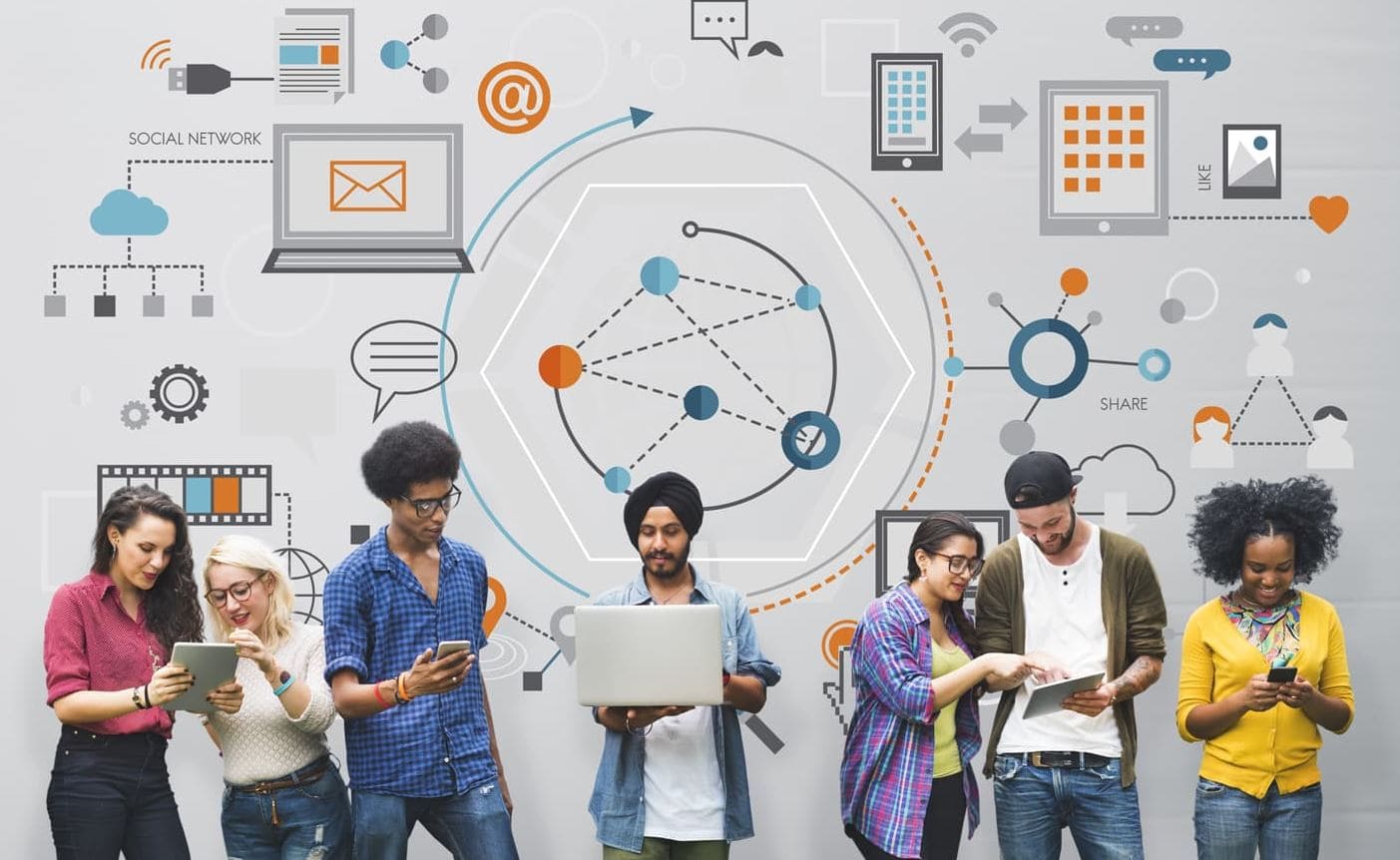
 Free Source Library — Exploring how technology continuously transforms humanity, shaping our societies, cultures, and everyday lives in profound ways.
The Pervasive Influence of Technology on Human Existence
The rapid evolution of technology over the past century has fundamentally reshaped the fabric of human life. From the dawn of industrial machinery to the digital age, technological innovation has been an unstoppable force driving progress, improving standards of living, and expanding possibilities. Today, technology is woven into the very fabric of our daily routines, influencing how we communicate, learn, work, heal, and connect with one another. This comprehensive exploration aims to delve deeply into the myriad ways technology impacts humanity—positively and negatively—by examining specific areas such as communication, education, healthcare, the workplace, social structures, and cultural identities. It emphasizes understanding these dynamics thoroughly to foster informed discussion, responsible development, and mindful adaptation.
Revolutionizing Communication: From Letters to Instant Connections
The Transition from Traditional to Digital Communication
Communication has always been central to human society, evolving from primitive sounds and gestures to complex languages. The last few decades have witnessed an unprecedented acceleration, driven by innovations such as the internet, smartphones, and social media platforms. Before digital technology, communication was constrained by geographical distances, reliant on physical transportation of information—letters, telegrams, landline calls. The advent of the internet revolutionized this paradigm, enabling instantaneous, borderless exchanges at minimal cost. With the rise of mobile connectivity, individuals now maintain continual contact regardless of location, fostering a sense of global community.
The Mechanisms of Digital Engagement
Social media platforms like Facebook, Twitter, Instagram, TikTok, and emerging decentralized networks facilitate a dynamic flow of information, emotions, and cultural expressions. They empower users to share experiences, mobilize social movements, and build communities that transcend traditional boundaries. Digital communication’s advantages include: – **Speed and Accessibility:** Messages sent instantly, reaching audiences globally. – **Democratization of Voice:** Citizens and marginalized groups gain platforms for expression. – **Rich Multimedia Content:** Text, images, video, and live streams enhance storytelling. Nevertheless, these benefits come with significant concerns: – **Misinformation and Fake News:** Rapid dissemination can spread falsehoods with serious societal consequences. – **Cyberbullying and Harassment:** Anonymity and reach sometimes foster harmful behavior. – **Privacy and Data Security:** Personal information is frequently exploited or inadequately protected. – **Information Overload:** Constant streams can cause cognitive fatigue and reduce attention spans.
The Societal Consequences of Digital Communication
The transformation in communication channels influences societal perceptions, political engagement, and individual mental health. The phenomenon of echo chambers—the clustering of similar viewpoints—can reinforce biases and polarize opinions. Conversely, digital activism has been a powerful tool for social change, enabling movements such as Arab Spring, #MeToo, and Black Lives Matter to mobilize support and accelerate awareness. The intersection of technology and communication thus demands continuous scrutiny, balancing the empowerment of voices with the mitigation of harms like misinformation and social fragmentation.
Transforming Education: Accessibility, Personalization, and Inequality
The Shift Towards Digital Learning Environments
In education, digital tools have revolutionized access, pedagogy, and learner engagement. Online platforms such as Coursera, Khan Academy, edX, and numerous university portals have democratized higher education, enabling millions worldwide to learn from top institutions without geographic constraints. Traditional classrooms are increasingly augmented or replaced by virtual learning environments, incorporating multimedia content, interactive simulations, and real-time collaboration. This shift supports diverse learning styles and paces, making education more inclusive and adaptable.
Personalized and Adaptive Learning
Adaptive learning technologies leverage artificial intelligence to analyze student performance, tailoring content to individual needs. This approach enhances comprehension, retention, and engagement, moving away from one-size-fits-all education. For example: – Intelligent tutoring systems provide targeted feedback and support. – Gamification elements motivate learners and reinforce concepts. – Data analytics identify at-risk students for timely intervention.
The Digital Divide and Educational Inequities
Despite these advances, a significant challenge persists: the digital divide. Socioeconomic, geographic, and infrastructural disparities limit access to technology, particularly in developing regions or marginalized communities. Lack of devices, reliable internet, or digital literacy prevents equitable participation in digital education. This inequality exacerbates existing educational gaps, threatening to deepen economic disparities and limit social mobility. Addressing this issue requires concerted efforts in infrastructure development, affordable technology, and digital literacy programs.
Strategies to Bridge the Gap
– Governmental investment in broadband access. – Public-private partnerships providing devices and training. – Community-based learning centers equipped with digital resources. – Policy initiatives prioritizing inclusivity and equity.
Revolutionizing Healthcare: Technology’s Promise and Ethical Challenges
The Transformative Power of Medical Technologies
Healthcare has experienced dramatic transformations with digital innovation: – **Telemedicine:** Virtual consultations extend medical expertise to remote or underserved zones, improving access. – **Wearable Devices:** Fitness trackers, smartwatches, and health monitors provide real-time data, encouraging healthier choices and early detection. – **Artificial Intelligence:** Machine learning algorithms support diagnostics, treatment recommendations, and predictive analytics, leading to more accurate and timely interventions. – **Robotics and Surgery:** Precision robotics augment human surgeons, reducing errors and enabling minimally invasive procedures. – **Electronic Health Records (EHR):** Digital records streamline information sharing among providers, reducing duplication and improving continuity of care.
Impacts on Health Outcomes and System Efficiency
Technological tools enhance early diagnosis, personalized treatment, and patient self-management, leading to better health outcomes and cost savings. For example, remote monitoring can reduce hospital readmissions, and AI-assisted diagnostics can decrease misdiagnosis rates. Moreover, telehealth reduces the burden on healthcare facilities and improves resource allocation, especially during crises like pandemics.
Ethical and Privacy Concerns
However, these advancements carry serious ethical considerations: – **Data Privacy:** Sensitive health data is vulnerable to breaches, misuse, or unauthorized sharing. – **Bias and Inequity:** Algorithms trained on biased data may produce unfair outcomes, marginalizing certain groups. – **Automation and Job Displacement:** AI and robotics threaten traditional healthcare roles, necessitating reskilling. – **Informed Consent:** Patients must understand how their data is used and consent to digital interventions. Creating robust frameworks for data governance, transparency, and accountability remains crucial to maximize benefits and minimize risks.
Workplace Reconfiguration: Automation, Flexibility, and Future Roles
The Rise of Remote Work and Digital Collaboration
Digital technology has redefined the workplace. Telecommuting, enabled by platforms like Zoom, Slack, Microsoft Teams, and project management tools, allows employees to work from anywhere, fostering flexibility—an attribute highly valued in modern employment. Hybrid work models combine in-office and remote days, offering balance and increased productivity. Companies increasingly recognize that flexible work arrangements can improve job satisfaction and retention.
Automation and Artificial Intelligence in Industry
Robotic process automation (RPA), AI-driven analytics, and machine learning are transforming traditional roles: – Routine tasks (data entry, scheduling) are automated. – Customer service chatbots handle inquiries efficiently. – Supply chain logistics optimize operations. – Predictive maintenance reduces downtime. This trend boosts efficiency but also prompts concerns about job loss, especially in manufacturing, administrative, and customer service sectors.
Preparing for the Future Workforce
In response, reskilling initiatives focus on developing skills in: – Digital literacy and cybersecurity. – Data analysis and programming. – Creativity, emotional intelligence, and complex problem-solving. Government policies and educational institutions are tasked with creating accessible lifelong learning pathways to smooth workforce transitions.
Socio-Cultural Ramifications of Technology
The Impact on Cultural Identity and Social Norms
Digital technology influences societal values by shaping perceptions, behaviors, and cultural expressions. Social media enables grassroots movements, amplifying marginalized voices and fostering awareness of social injustices. However, the homogenizing tendency of global digital platforms can erode local languages, traditions, and cultural practices, leading to cultural imperialism and loss of diversity.
The Pros and Cons of Digital Social Movements
While digital platforms have democratized activism, they can also facilitate misinformation, harassment, and polarization. Viral misinformation can influence elections, incite violence, or undermine trust in institutions. Balancing digital activism’s potential with safeguards against abuse remains vital to ensuring social change is constructive and inclusive.
Conclusion: Navigating the Double-Edged Sword of Technology
The profound influence of technology on humanity embodies both remarkable opportunities and complex challenges. It offers pathways to greater connectivity, learning, health, and innovation—yet introduces risks of inequality, privacy erosion, social fragmentation, and ethical dilemmas. To navigate this landscape responsibly, multiple stakeholders must collaborate: – **Individuals** must cultivate digital literacy and ethical awareness. – **Organizations** should prioritize inclusive and ethical technology deployment. – **Governments** must craft policies that protect privacy, promote equity, and foster innovation responsibly. Only through conscious stewardship of technological progress can society harness its immense potential for good, creating a future where human well-being, cultural richness, and environmental sustainability coexist harmoniously.
Deeper Examples, Considerations, and Practical Frameworks
Case Study: AI in Healthcare
The use of AI algorithms in diagnosing diabetic retinopathy showcases how technological advancements can significantly improve screening accuracy. In some pilot projects, AI systems analyzed retinal images with accuracy comparable to expert ophthalmologists, dramatically increasing screening throughput in resource-limited settings. **Implementation steps:** 1. Data collection from diverse populations to avoid bias. 2. Developing and validating robust algorithms. 3. Ensuring interoperability with existing health systems. 4. Training healthcare providers on AI tools. 5. Establishing policies for data privacy and ethical use. **Potential pitfalls:** – Overreliance on automated systems can overlook nuanced clinical judgment. – Bias in training data may lead to disparities. **Key takeaway:** Technology is an enhancer but not a replacement for professional expertise.
Checklist for Ethical Technology Deployment
- Does the technology promote equity and accessibility?
- Are data privacy and security measures robust and transparent?
- Is there ongoing monitoring for bias or unintended consequences?
- Are stakeholders involved in decision-making processes?
- Does the deployment comply with legal and ethical standards?
- Are there plans for accountability and redress in case of harm?
Comparison Table: Benefits versus Risks of Digital Technologies
| Benefit | Risk |
|---|---|
| Enhanced communication and social connectivity | Misinformation, cyberbullying, privacy breaches |
| Democratization of education | Digital divide, quality assurance issues |
| Improved healthcare outcomes | Data security, algorithmic bias, unequal access |
| Automation increases productivity | Job displacement, economic inequity |
| Social movements amplified | Manipulation, misinformation, polarization |
Extended FAQs
How can society ensure equitable access to emerging technologies?
Ensuring equitable access requires investments in infrastructure, subsidized devices and connectivity, digital literacy programs, and inclusive policy frameworks that prioritize marginalized communities.
What ethical principles should guide artificial intelligence development?
Transparency, fairness, accountability, privacy, and human oversight are foundational principles. AI systems should be designed to eliminate bias, protect data, and operate under clear ethical standards.
How can individuals protect their privacy in a highly connected world?
Regularly updating privacy settings, using secure passwords, being cautious with sharing personal data online, and supporting policies that enforce data protection laws are key strategies.
Final Reflection: Embracing Technology Mindfully
The trajectory of technological progress points toward a future of vast possibilities—a world where artificial intelligence can solve complex problems, virtual reality can expand human experiences, and medical breakthroughs can save countless lives. Yet, each innovation requires careful reflection on its societal impact, ethical considerations, and potential to widen disparities. Humans bear the responsibility to steer technological development ethically, ensuring that it serves as an enabler of human flourishing rather than a disruptor of social fabric. Cultivating resilience, critical thinking, and inclusivity will be essential to realize a future where technology truly benefits all, reinforcing the compassionate, creative, and adaptive nature of humanity.
References
- United Nations Educational, Scientific and Cultural Organization (UNESCO) — Education and Technology
- World Health Organization (WHO) — Digital Health Initiatives