The Camel: An Evolutionary Marvel and Cultural Icon of Arid Ecosystems
The camel, often dubbed the “ship of the desert,” is a symbol of resilience and adaptation, embodying the ability to survive and thrive in some of the most extreme environments on Earth. Their evolutionary journey has equipped them with a multitude of anatomical, physiological, and behavioral traits, allowing them to endure dehydration, temperature fluctuations, and scarce resources that would be insurmountable for most other mammals. The significance of camels extends beyond their biological adaptations; they are woven deeply into the social fabric, cultural identities, and economic subsistence of various peoples across Africa, the Middle East, and Central Asia. Recognized both scientifically and culturally, these animals serve as living repositories of human history and ecological adaptation, deserving detailed exploration on multiple levels, especially considering their importance in traditional and modern societies.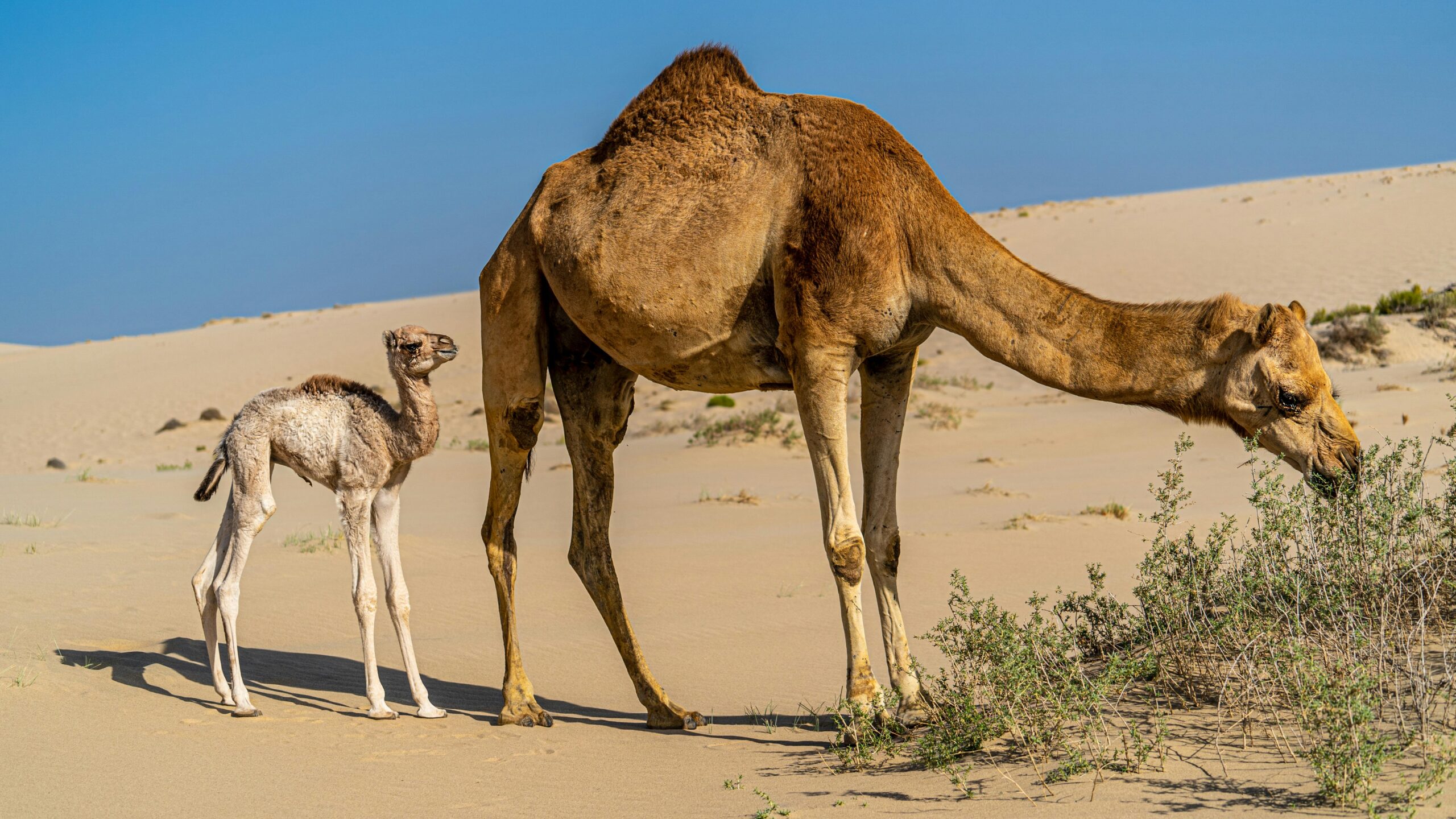

This comprehensive article, hosted on the Free Source Library, aims to provide an in-depth examination of the camel, exploring its taxonomy, physical somatic features, habitat distribution, behavioral ecology, evolutionary adaptations, and sociocultural significance. We will also delve into its economic importance, conservation challenges, and future prospects. The goal is to present a synthesis of scientific knowledge and cultural understanding that elevates the discourse on one of humanity’s most remarkable domesticated animals.
Taxonomy and Evolutionary Lineage
Taxonomic Classification of Camels
Camels belong to the family Camelidae, a group that includes not only Old World camels but also South American relatives such as llamas, alpacas, guanacos, and vicuñas. This family belongs to the order Artiodactyla, which encompasses a diverse array of even-toed ungulates including deer, cattle, and pigs. The evolutionary divergence within Camelidae reflects adaptations to separate environmental niches—Old World camels (Camelus genus) in arid deserts, and New World camelids primarily in Andean mountainous ecosystems.
Species of Modern Camels
- Camelus dromedarius (Dromedary or Arabian camel) – distinguished by a single hump.
- Camelus bactrianus (Bactrian camel) – notable for its two humps.
Evolutionary Origins
The origins of camels date back around 45 million years to the Miocene epoch, with evidence suggesting they originated in North America before migrating through Asia and Africa. Fossil records trace their ancestors through various stages of adaptation to different climates, with the modern dromedaries evolving around 3,000 years ago in the Arabian Peninsula and Bactrian camels domesticated in Central Asia over 4,000 years ago. Genetic studies indicate that these species diverged due to environmental pressures, with the single-humped dromedary flourishing in desert environments and the Bactrian camel adapting to colder, more rugged terrains.
Understanding camel taxonomy helps clarify their ecological roles and highlights their evolutionary resilience amidst fluctuating climates through geological history.
Physical and Anatomical Adaptations for Desert Survival
Distinctive Features and Their Functions
Camels possess a suite of unique physical traits purpose-built for survival in extreme arid landscapes. Their most iconic feature, the hump(s), is primarily composed of adipose tissue that functions as an energy reserve, allowing the animal to sustain itself during periods of scarcity. Contrary to popular myth, the hump does not store water; instead, camels can drink up to 200 liters of water in one sitting and store it within their bloodstream, tissues, and cells, enabling them to endure long stretches without hydration.
Skin and Coat Adaptations
Their skin, often thick and coarse, has evolved to minimize water loss and shield against solar radiation. The coat can vary in length and density, with some breeds developing a dense winter coat and others a light summer coat. Camels also have a thick, double-layered eyelid with long eyelashes and bushy eyebrows, functioning as natural filters to protect their eyes from blowing sand and bright sunlight.
Specialized Feet for Sandy Terrain
Their feet are wide and padded, with two toes connected by a leathery pad that spreads when walking on soft sand, preventing sinking. This adaptation enhances mobility across dune landscapes and rugged terrains, while also reducing energy expenditure during migration or foraging trips.
Respiratory and Thermoregulatory Systems
Camels’ nasal passages are lined with complex, mucous-covered structures that retain moisture during exhalation, further conserving water. Their body temperature can fluctuate between 34°C and 41°C (93°F to 105.8°F), allowing them to tolerate high daytime temperatures. Nocturnal cooling further prevents overheating, while metabolic heat production is adjusted to minimize water loss during high-temperature periods.
Habitat Distribution and Ecological Niche
Native and Introduced Ranges
Camels are predominantly native to arid and semi-arid regions of the Middle East, North Africa, and Central Asia. The dromedary is widespread across the Arabian Peninsula, Africa’s Sahel zone, and parts of South Asia, whereas the Bactrian camel inhabits the deserts and steppes of Central Asia, particularly Mongolia and parts of China and Iran.
Ecological Roles in Desert Ecosystems
Camels function as keystone species in their ecosystems, contributing to seed dispersal, nutrient cycling, and maintaining plant community dynamics. They are browse feeders, consuming a wide array of desert plants, including thorny and fibrous species that many other herbivores cannot digest. This dietary flexibility allows them to influence vegetation patterns and contribute to the resilience of desert flora.
Invasive Introductions and Global Spread
Camels have been introduced to other parts of the world, such as Australia and North America, often as part of introduced livestock or experimental breeding programs. While they have adapted well in certain environments, their presence can threaten native ecosystems, leading to competition with indigenous herbivores and alteration of local plant communities.
Behavioral Ecology and Social Structure
Herd Dynamics and Leadership
Camels are social animals that naturally form herds—these groups usually consist of females, their calves, and a dominant male, especially during breeding seasons. The herd structure allows for protection against predators and facilitates resource sharing. Males often compete for dominance through visual displays, vocalizations, and sometimes aggressive behaviors like sparring with their necks and heads.
Communication and Defensive Strategies
Communication in camels involves various vocalizations, including grunts, bellows, and moans, primarily used during social bonding and establishing hierarchy. Spitting serves as a defensive mechanism when feeling threatened, as well as a means of social rank assertion. Body language, such as neck stretching and head tossing, also plays a role in intra-herd communication and establishing dominance.
Reproductive Behavior and Lifecycle
Female camels typically reach sexual maturity between 3 to 4 years of age, whereas males do so slightly later. Breeding peaks during cooler months, with males competing for access to females. The gestation period lasts approximately 13 to 14 months, resulting in a single calf, which is precocious—able to stand and walk within hours after birth. Calves nurse for several months, primarily subsisting on mother’s milk, which provides vital nutrients and immune factors.
Diet, Foraging, and Metabolic Adaptations
Herbivorous Diet and Digestive System
Camels are obligate herbivores with a diet mainly consisting of xerophytic plants, grasses, thorny bushes, and desert shrubs. Their specialized stomachs efficiently ferment fibrous material, extracting maximum nutrients from low-quality forage. The ancient symbiosis with rumen microbes allows breakdown of cellulose, making otherwise indigestible plants accessible.
Extended Fasting and Drinking Capabilities
One of their most remarkable features is the ability to survive long periods without water, sometimes over a week, depending on environmental conditions and activity level. When water becomes available, they can absorb large quantities rapidly, rehydrating in a matter of minutes. The ability to tolerate dehydration to about 25% of their body weight significantly surpasses that of most mammals, which typically succumb at about 12-15% dehydration.
Metabolic Efficiency and Water Conservation
| Parameter | Camels | Typical Mammals |
|---|---|---|
| Maximum water intake per session | Up to 200 liters | ~10-20 liters |
| Duration of water deprivation | Up to 1 week | Few days at most |
| Dehydration tolerance | Up to 25% of body weight | Typically 12-15% |
| Body temperature fluctuation | 34°C to 41°C | Stable around 37°C |
Reproductive Cycles and Lifecycle
Maturation and Breeding Seasons
Female camels attain sexual maturity around 3 to 4 years of age, with optimal breeding occurring during cooler months to maximize calf survival. Males display dominance behaviors, including vocalizations, scent marking, and physical sparring, to establish reproductive rights. The polyestrous cycle persists for approximately 30 days, with ovulation triggered by environmental cues and herd dynamics.
Gestation and Calving
The gestation period averages between 13 and 14 months, resulting in calves weighing approximately 36 to 45 kg (80 to 100 pounds) at birth. Twins are rare but possible. Calves are precocial, able to stand within an hour of birth, groomed and protected by the mother in the wild. Nursing lasts several months, during which the mother’s milk provides significant immunity and nutritional support.
Longevity and Lifespan
Camels generally live between 40 to 50 years in captivity, with wild populations tending to have shorter lifespans due to environmental stressors, predation, and resource scarcity. Proper husbandry, nutrition, and health management can extend their productive age, especially for dairy and breeding purposes.
Human-Camel Interactions: Cultural Significance and Economic Contributions
Historical Role in Transportation and Trade
Camels have historically served as vital lifelines in desert trade routes—most famously, the Silk Route and trans-Saharan caravans—enabling trade between Africa, the Middle East, and Asia. Their capacity to carry heavy loads over long distances with minimal water intake made them unparalleled transports in arid traffic corridors. Caravans facilitated cultural exchange, commerce, and migration, fundamentally shaping regional histories.
Economic Uses and Livelihoods
In contemporary times, camels continue to underpin local economies in arid regions through multiple channels: transportation, milk and meat production, wool and hide harvesting, and tourism. Camel milk has gained recognition as a superfood with medicinal and nutritional properties. Camel wool, particularly fine hair like cashmere, supports local textile industries. Camel racing remains a cultural spectacle, particularly in Middle Eastern countries, energizing tourism and entertainment sectors.
Cultural and Religious Significance
Within many societies, camels symbolize wealth, hospitality, endurance, and spiritual strength. They feature prominently in folklore, poetry, religious texts—including the Quran—and ceremonial events. In Bedouin culture, camels represent social status and are integral to traditional rites of passage. They are often part of community celebrations, festivals, and religious observances, emblematic of resilience and survival.
Conservation Challenges and Future Outlook
Status of Wild Camels and Threats
Wild Bactrian camels (Camelus ferus) are critically endangered, with fewer than 2,000 individuals remaining primarily in desert regions of China and Mongolia. They face threats from habitat fragmentation, poaching for hides and meat, competition with livestock, and water scarcity driven by climate change. Domesticated camels, although more numerous, are impacted by overgrazing and resource depletion.
Conservation Strategies and Global Initiatives
- Habitat preservation programs targeting wild camel ranges.
- Anti-poaching measures and community-based conservation projects.
- Genetic studies to maintain breed diversity and resilience.
- Promotion of sustainable camel husbandry and pasture management.
Emerging Opportunities and Sustainable Development
As climate change exacerbates desertification, camels are increasingly viewed as sustainable livestock options, capable of contributing to food security and rural livelihoods with minimal environmental impact. Advanced breeding and management practices seek to improve productivity while conserving genetic diversity. Innovations in camel-derived products—such as bioplastics from camel hair or medicinal applications of camel milk—offer pathways to economic diversification in arid regions.
Conclusion: The Resilient Arboreal of Arid Regions
The camel exemplifies evolutionary ingenuity, seamlessly blending anatomical, physiological, and behavioral attributes to thrive in worlds that would otherwise be inhospitable. Its role in human history underscores a symbiotic relationship—intertwining survival, culture, and commerce—highlighting the animal’s significance as a cultural icon and ecological keystone. Recognizing the urgency of conservation efforts and sustainable practices will determine whether camel populations and the cultural heritage they embody can endure amidst global environmental changes.
From their ancient origins to their modern significance, camels continue to inspire awe and admiration. The commitment to understanding and protecting these extraordinary animals will, undoubtedly, shape the future of desert ecosystems and human societies dependent upon them. Such knowledge, shared via platforms like Free Source Library, ensures that the marvels of camel biology and their cultural heritage are preserved and appreciated for generations to come.