
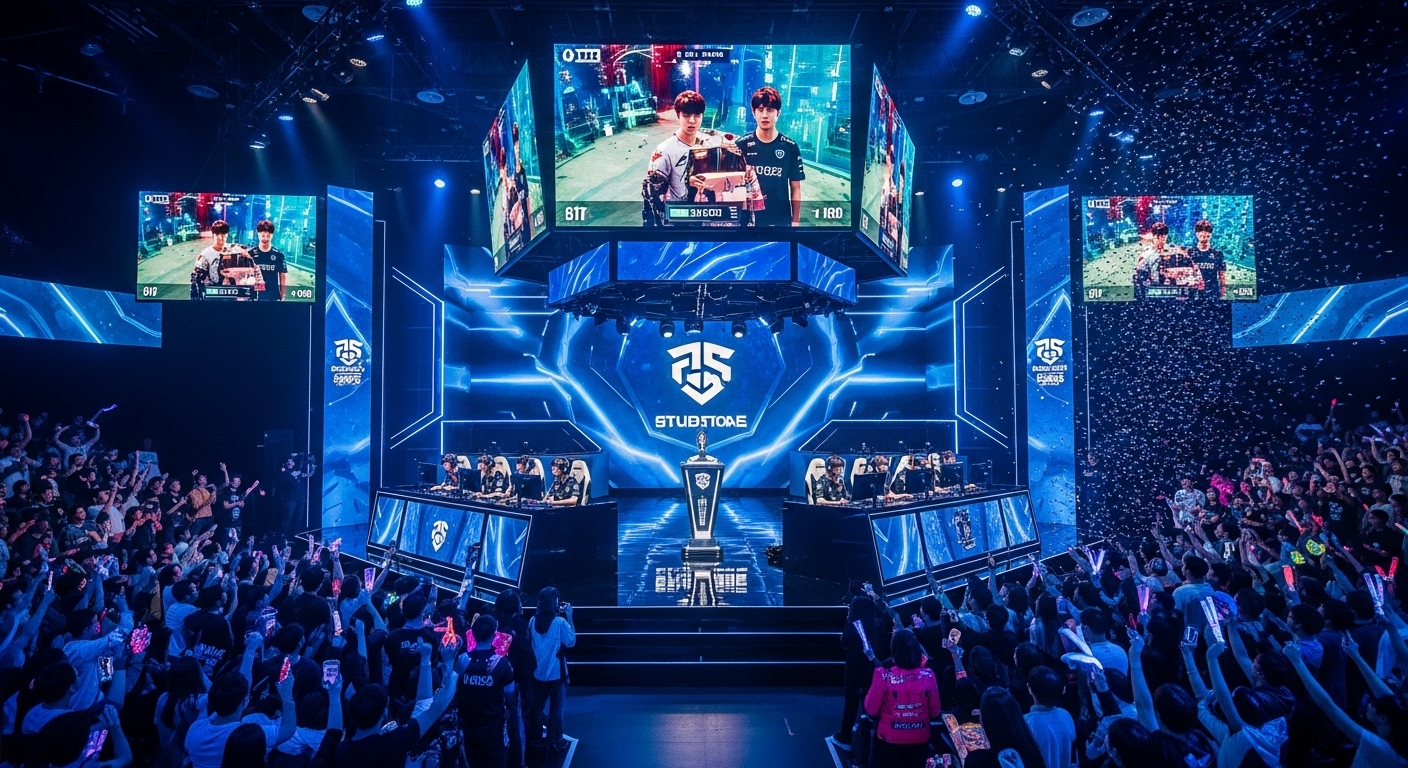
 Free Source Library — The rise of esports has become one of the most dynamic phenomena in contemporary entertainment, driven by technological innovation, shifting social perceptions, and a global community of passionate fans. As competitive gaming continues expanding its influence, understanding its journey, current landscape, and future prospects offers valuable insights into how this industry is reshaping the entertainment and sports worlds.
The Evolution of Esports: From Humble Beginnings to Global Phenomenon
Early Roots of Competitive Gaming
The history of esports traces back to the earliest days of arcade gaming, where enthusiasts would gather to compete in simple yet intense challenges. In the 1970s, institutions like Stanford University hosted some of the first organized competitions, often limited in scope but vital as foundational moments. These events laid the groundwork for what would become a comprehensive competitive ecosystem. During the 1980s and 1990s, arcade tournaments gained popularity, but it wasn’t until the rise of home consoles and PC gaming that esports entered a new phase of accessibility and complexity. Iconic titles like “Pac-Man,” “Street Fighter,” and “Doom” drew audiences and players alike, but the major leap came with the advent of online multiplayer titles that revolutionized competition.
The Digital Boom and Key Milestones
In the late 1990s and early 2000s, titles such as “Counter-Strike,” “StarCraft,” and “Warcraft III” became the pillars of early organized competitions. They permitted the rise of dedicated communities, regional tournaments, and the establishment of early leagues, albeit still largely dependent on LAN (Local Area Network) events and primitive streaming technology. Arguably, the true turning point was the launch and exponential growth of streaming platforms like Twitch in 2011. Twitch enabled players and viewers to connect in real-time, opening a new frontier for broadcasting, interaction, and community building around esports. This platform allowed gamers to showcase their skills to global audiences, creating a venue for celebrity-like stars and highly organized spectacle events. Notably, the proliferation of high-speed internet and unrestricted access to competitive titles led to a surge in viewership, propelling esports from niche gatherings into mainstream consciousness.
Core Drivers Fueling the Growth of Esports
Accessibility and Inclusivity
Modern technology has democratized gaming. Today, with a modest investment, players can engage in competitive esports regardless of geographical location or socio-economic background. Mobile devices, gaming consoles, and affordable gaming PCs provide access to a vast array of titles suitable for competitive play. Furthermore, game developers actively design titles with inclusivity in mind, ensuring that controls, interfaces, and gameplay accommodate players across different abilities, ages, and regions. This universality broadens the potential audience, making esports a truly global and inclusive phenomenon.
Recognition by Mainstream Media and Corporate Sector
Major sports networks, news outlets, and digital media platforms now regularly cover esports tournaments, giving them legitimacy and exposure akin to traditional sports. Esports segments are featured in ESPN, CNN, and other mainstream outlets, often highlighting significant milestones such as record-breaking viewership numbers and massive prize pools. These developments attract corporate interest: beverage companies, tech giants, apparel brands, and even automotive firms have invested heavily through sponsorship deals, advertising campaigns, and partnership programs. Their involvement elevates the profile of esports, fueling its growth and providing financial stability for professional players and organizations.
The Growing Ecosystem of Professionalization
The professional esports industry mirrors traditional sports in its structure. Top teams operate with coaches, analysts, trainers, and dedicated support staff. Players sign multi-year contracts, receive salaries, and benefit from sponsorship endorsements, health insurance, and travel stipends. Concerted efforts towards standardization, league organization, and talent development have led to a clearer career trajectory within esports. Major tournaments offer multi-million dollar prize pools, attracting elite competitors and mainstream media coverage.
Global Tournaments and Their Cultural Significance
Events such as “The International” for Dota 2, “League of Legends World Championship,” and “Overwatch League Finals” attract audiences numbering in the millions. These spectacles resemble or even surpass traditional sports finals in viewership and complexity. The international, multicultural nature of these tournaments fosters cross-cultural dialogue and camaraderie, contributing to a sense of global community centered around shared interests. The prize purses, sponsorships, and media rights generate enormous revenue streams, further entrenching esports’ status as a mass entertainment industry.
The Exploding Fanbase: Who Are Esports Fans?
Demographics and Psychographics
Estimates suggest that over 500 million individuals worldwide now consume esports content regularly, with projections indicating continued rapid growth. The majority are within the 18-34 age bracket, a demographic characterized by high digital literacy, social media engagement, and a penchant for interactive content. While traditionally viewed as predominantly male, recent studies reveal a significant increase in female viewers, especially in regions like North America and Asia. These fans are diverse in ethnicity, socioeconomic background, and cultural identity, illustrating esports’ universal appeal.
Community and Cultural Factors
The strength of the esports fanbase stems from vibrant online communities. Platforms like Reddit, Discord, Twitter, and TikTok serve as hubs for discussions, memes, fan art, and grassroots content. Fans create their own narratives, supporting teams and players passionately, and fostering loyalty over years. This communal interaction extends beyond passive viewing. Live chat during streams, fan conventions, and meet-and-greets create avenues for direct engagement. Fans often develop a personal connection with their favorite players, viewing them not just as competitors but as personalities with relatable stories and journeys.
Content Engagement and Consumption Habits
Esports enthusiasts consume content across multiple formats: live streaming, tournament highlight reels, tutorials, podcasts, and analytical commentary. These multiple touchpoints create a layered experience that fosters deeper understanding and attachment to the sport. Unlike traditional sports, where spectators primarily watch scheduled matches, esports viewers often follow multiple teams, participate in fantasy leagues, and collect merchandise, making their engagement more holistic and immersive.
Impacts and Opportunities for Stakeholders
Game Developers and Publishers
The success of esports influences game design and development. Developers often prioritize features that enhance spectator experiences, such as integrated replays, spectator modes, and scalable tournaments. Titles like “Overwatch,” “Valorant,” and “FIFA” have adopted esports-focused features, with some even launching dedicated competitive formats. The feedback loop from esports communities informs ongoing game balance adjustments, ensuring longevity and relevance.
Sponsorships, Marketing, and Advertising
Brands leverage esports’ reach to connect with a youthful, engaged audience. Sponsorship deals include media rights, branded tournaments, and product placement. For example, energy drink brands often sponsor teams or events, using branded content to target consumers precisely. Additionally, embedded advertising within streaming platforms and customized promotional campaigns allow for targeted marketing, resulting in higher engagement rates than traditional media.
Traditional Sports and Entertainment Industries
Unlike earlier skepticism, many traditional sports organizations now actively invest in esports. Some establish their own teams, while others partner with existing organizations to diversify revenue streams and reach younger audiences. This cross-industry collaboration opens new avenues for marketing, broadcasting, and fan engagement, merging the best elements of traditional sports with digital innovation.
Media and Broadcast Evolution
Digital-first platforms like Twitch and YouTube have displaced conventional broadcasters as primary content channels. These platforms enable real-time interaction, interactivity, and community building that traditional TV struggles to replicate. Broadcasters and media companies are exploring hybrid models—integrating esports into cable programming while boosting their digital presence—to maximize reach and engagement.
Challenges Facing the Industry and Pathways Forward
Player Welfare and Mental Health
The high-pressure environment of professional esports can lead to burnout, anxiety, and depression. The intense training schedules, scrutiny, and public exposure require industry-wide protocols to promote mental health, balance, and sustainability among players. Organizations are increasingly incorporating mental health support services, counseling, and wellness programs to foster sustainable careers.
Toxic Communities and Inclusivity
While esports fosters community, it also faces issues related to toxicity, harassment, and discrimination. Promoting a culture of respect, diversity, and inclusion is essential for long-term growth. Initiatives such as community moderation, education campaigns, and diverse representation aim to address these concerns.
Regulation and Governance
As esports grows, regulating bodies, anti-doping measures, and standardization of rules become critical. Without consistent governance, issues like cheating, match-fixing, and unfair practices threaten credibility. Developing clear policies, player contracts, and international cooperation will be vital to ensuring fairness and professionalism.
Technological Innovations and the Future
Advances in virtual reality (VR), augmented reality (AR), and 5G connectivity hold exciting potential for esports. Immersive experiences could revolutionize viewing habits and player interactions, creating more realistic and engaging competitions. Furthermore, blockchain-based voting and ownership models may empower fans and players, introduce new monetization avenues, and strengthen community ties.
The Road Ahead: Opportunities and Long-Term Outlook
| Key Aspect | Future Potential | Challenges to Address | |——————————-|———————————————————–|———————————————————–| | Technology Advancement | VR, AR, streaming innovation will enhance experience | Accessibility, hardware costs, digital fatigue | | Market Expansion | Emerging markets like Africa and Latin America offer growth | Local infrastructure, cultural adaptation | | Industry Regulation | Development of international governing bodies | Standardization, anti-corruption measures | | Fan Engagement Innovations | Interactive broadcasts, metaverse integrations | Privacy concerns, technological barriers | | Player Development | Youth academies, scholarships, education pathways | Talent drain, balancing education and pro careers |
Conclusion: The Future of Esports in a Changing World
The ascent of esports is not merely a passing trend but a profound cultural shift that is redefining entertainment, competition, and community. Its rapid evolution underscores how technological progress, social acceptance, and dedicated communities can transform an industry from niche to mainstream. As the landscape continues to mature, stakeholders—from developers and sponsors to fans and regulators—must navigate challenges with innovation and responsibility. The promise of immersive experiences, broader inclusivity, and global connectivity suggests an exciting future where esports becomes an integral part of everyday life, inspiring new generations worldwide. By closely monitoring industry trends, investing in sustainable practices, and fostering open communities, esports can sustain its momentum and unlock unprecedented opportunities for entertainment and social engagement.
References
- Newzoo. “Global Esports Market Report 2023.” Disponible en: https://newzoo.com
- Esports Observer. “The Evolution of Competitive Gaming.” Disponible en: https://esportsobserver.com