Introduction
Vienna, the historic and cultural jewel of Austria, stands as a testament to centuries of artistic, political, and architectural evolution. As the heart of the former Habsburg Empire, Vienna’s landscape is punctuated with a multitude of landmarks that narrate stories of grandeur, innovation, and resilience. This cityscape is a living museum, where each monument, palace, and street corner encapsulates epochs of European history, from medieval times through the modern era. Exploring Vienna’s landmarks provides an immersive experience into its complex identity—an identity shaped by imperial ambitions, artistic revolutions, and enduring traditions that continue to influence Europe and the world.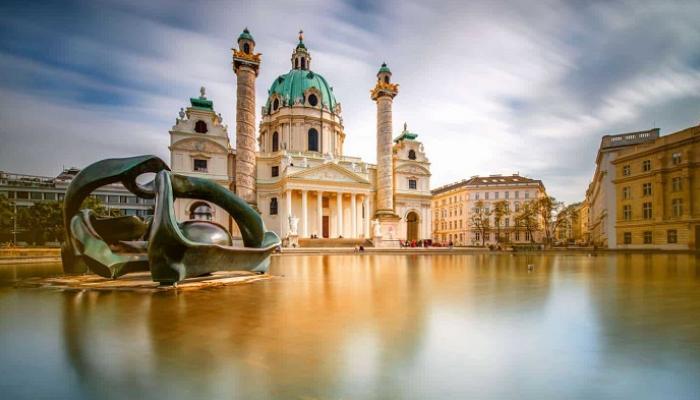

This detailed overview, curated for the Free Source Library, aims to delineate the city’s most significant sites. It combines architectural analysis, historical context, and cultural insights to provide a comprehensive understanding of Vienna’s iconic landscape. Each landmark is explored in depth, emphasizing its origins, architectural styles, artistic significance, and its role within Vienna’s broader cultural fabric.
The Imperial Heart: The Hofburg Palace
Historical Overview and Architectural Evolution
The Hofburg Palace is not merely a historic building but a symbol of Austria’s imperial legacy. Originally constructed in the 13th century, the palace evolved over centuries, reflecting the shifting tastes and political aspirations of the Habsburg dynasty. Its architecture is a complex amalgamation of Gothic, Renaissance, Baroque, and Neoclassical styles, embodying the layered history of Vienna itself. The sprawling complex covers nearly 2.5 million square feet, including numerous courtyards, wings, and gardens.
Key Features and Attractions
- Imperial Apartments: Lavishly decorated rooms that once housed emperors and empresses, offering insight into royal life.
- Sisi Museum: Dedicated to Empress Elisabeth, this museum portrays her in both myth and reality, highlighting her tragic and fascinating story.
- Silver Collection: Showcases ceremonial tableware, luxurious utensils, and royal paraphernalia reflecting the splendor of court life.
Significance in Modern Austria
Today, the Hofburg functions as the official residence of the Austrian Federal President and hosts official state events, embodying Vienna’s political continuity. Its museums and galleries preserve Austria’s imperial past while serving as major cultural venues.
Schönbrunn Palace: The Versailles of Vienna
Origins and Architectural Significance
The origins of Schönbrunn go back to a modest hunting lodge in the late 17th century. Under the patronage of Emperor Leopold I and later Emperors Joseph I and Charles VI, it was transformed into an opulent summer residence ideal for leisure and political retreat. The palace reflects the height of Baroque architecture, emphasizing grandeur, symmetry, and ornate details.
Gardens and Landscape Design
The expansive gardens are one of Vienna’s most celebrated features, integrating mathematics with aesthetics to create a harmonious landscape. They include notable elements such as the Great Parterre, the Neptune Fountain, the Rose Garden, and the Gloriette—an iconic hilltop pavilion offering panoramic views of the city.
Interior Highlights and Cultural Significance
- Hall of Mirrors: An ornate room inspired by French palace design, used for receptions and ceremonies.
- Yellow Salon (Saal der Grauen): A richly decorated room showcasing Baroque brilliance.
- World Heritage Status: UNESCO designated Schönbrunn as a site of cultural and architectural significance, emphasizing its universal value.
St. Stephen’s Cathedral: The Gothic Icon of Vienna
Historical Foundations and Construction Phases
St. Stephen’s Cathedral, or Stephansdom, stands at the core of Vienna’s historic Old Town. Its construction started in the 12th century, with subsequent additions spanning several centuries. The cathedral’s architecture is predominantly Gothic, marked by pointed arches, flying buttresses, and intricate stonework, complemented by a stunning multi-colored tiled roof symbolizing the city’s historical craftsmanship.
Architectural Features and Artistic Details
- South Tower: Elevated to 136 meters, it offers breathtaking views and serves as a beacon of Vienna’s skyline.
- Stained Glass Windows: Highlighting biblical scenes and saints, these windows exemplify medieval artistry and craftsmanship.
- Interior Decor: Richly adorned with sculptures, altars, and a notable pulpit showcasing late Gothic design.
Crypts, Climb, and Cultural Role
The crypt beneath contains the tombs of many notable Habsburgs, linking the cathedral to Vienna’s royal history. Visitors can ascend the south tower for sweeping city vistas, while the cathedral continues to host religious ceremonies, concerts, and cultural events, acting as a vital civic and spiritual center.
Belvedere Palace: The Artistic and Cultural Nexus
Architectural Origins and Design Principles
Constructed in the early 18th century for Prince Eugene of Savoy as a testament to Baroque architecture, Belvedere comprises two palaces—Upper and Lower—linked by beautiful gardens designed for leisure and display. The emphasis on symmetry, fountains, and sculptures exemplifies the grand Baroque style that was prevalent among European aristocracy.
Art Collections and Exhibitions
The Belvedere houses one of Austria’s premier art collections, including Gustav Klimt’s “The Kiss,” alongside works by Egon Schiele, Oskar Kokoschka, and other modernists. The collection exemplifies Vienna’s role as a hub of artistic innovation, especially during the fin-de-siècle period.
Gardens and Scenic Appeal
The gardens serve as an extension of the art experience, with fountains, terraces, and meticulously kept lawns providing picturesque settings for reflection, gatherings, and photo opportunities. The views of the city skyline from the gardens underscore Belvedere’s strategic and aesthetic significance.
The Vienna State Opera: A Monument to Musical Excellence
Historical Background and Architectural Style
Open since 1869, the Vienna State Opera is an exemplar of Neo-Renaissance architecture, with its majestic facade and richly decorated interior. It was designed by architects August Sicard von Sicardsburg and Eduard van der Nüll, symbolizing Vienna’s cultural prominence and commitment to the arts.
Repertoire and Cultural Events
- Hosting the world’s finest opera performances, ballet productions, and concerts, it remains a center of European musical excellence.
- The annual Vienna Opera Ball, with its tradition of elegance and pageantry, highlights Vienna’s vibrant social life.
- Its premieres and touring productions continue to influence the international opera scene.
Architectural and Acoustic Highlights
The auditorium’s design prioritizes acoustics, acoustically optimized to project the subtle nuances of operatic voices and orchestras. The stage’s grandeur and the hall’s ambiance create an immersive experience for audiences.
The Kunsthistorisches Museum: A Treasury of Artistic and Cultural Masterpieces
Design and Architectural Significance
Constructed between 1891 and 1894, this museum reflects the grandeur of Vienna’s imperial era. Its Renaissance Revival style, with a grand pediment, imposing columns, and elaborate interior decor, underscores its role as a repository of cultural wealth.
Collections and Exhibits
- Masterpieces by Titian, Rembrandt, Vermeer, and Raphael dominate the painting collection, offering a panoramic view of European artistic progression.
- Ancient Egyptian, Greek, and Roman artifacts, including sculptures, jewelry, and mummies, provide insights into early civilizations.
- The Kunstkammer displays Renaissance and Baroque treasures, including scientific instruments, decorative arts, and rare manuscripts.
Research and Cultural Role
As both a museum and a research institute, the Kunsthistorisches Museum attracts scholars worldwide, fostering ongoing scholarship and cultural exchange. Its library and conservation studios ensure the preservation of Austria’s artistic heritage.
The Vienna Ring Road (Ringstraße): A Grand Urban Artery
Historical Context and Urban Development
Constructed in the mid-19th century, the Ringstraße replaced the city’s medieval fortifications, aligning with Austria’s modernization efforts. It functions as a grand boulevard, linking historic districts with modern functional zones, and epitomizes Vienna’s urban elegance.
Architectural Highlights Along the Ring
| Building | Architectural Style | Significance |
|---|---|---|
| Vienna State Opera | Neo-Renaissance | Artistic and cultural epicenter |
| Parliament Building | Greek Revival | Symbol of democracy and political tradition |
| City Hall (Rathaus) | Gothic Revival | Municipal governance, landmark |
| University of Vienna | Neoclassical | Higher education and intellectual hub |
Experiencing the Ringstraße
Whether walking or driving, the Ringstraße offers an immersive experience into Vienna’s architectural grandeur. Statues, fountains, and historic facades line the boulevard, making it an open-air museum of Viennese public space.
The Albertina Museum: A World of Prints and Graphic Arts
Collection Highlights and Artistic Range
Located near the Vienna State Opera, the Albertina houses one of the largest and most significant collections of graphic arts in the world. Its holdings include works from Dürer, Michelangelo, Rembrandt, Monet, and Picasso, reflecting a broad spectrum of European artistic expression.
Architectural and Interior Features
The museum’s Red and Green Rooms are decorated with frescoes and ornate stucco, offering an elegant backdrop for exhibitions. Its design blends historic elegance with functional exhibition spaces.
Role in Vienna’s Artistic Scene
The Albertina acts as a dynamic cultural hub, hosting temporary exhibitions, educational programs, and scholarly conferences, thus amplifying Vienna’s reputation as an artistic capital.
Vienna’s Coffee House Culture: A Living Heritage
Historical Origins and Cultural Significance
Viennese coffee houses are more than cafes—they are social institutions integral to the city’s cultural fabric. Originating in the 17th century, these venues became centers for intellectual discourse, artistic creation, and political debate.
Notable Coffee Houses and Their Histories
- Café Central: Established in 1876, it hosted figures such as Trotsky, Freud, and Stefan Zweig, fostering Viennese intellectual life.
- Café Sacher: Famous for its Sachertorte, it remains an emblem of Viennese culinary tradition.
- Weiterer Hotspot: Café Sperl and Café Hawelka continue to preserve the traditional ambiance, serving as cultural meet-up points.
Modern-Day Coffee Culture
Today, these coffee houses maintain a delicate balance between tradition and modernity, offering spaces for writers, artists, and academics. They also serve as tourist attractions, where visitors can indulge in the timeless ritual of Viennese coffee.
The Vienna Zoo (Tiergarten Schönbrunn): A Heritage of Biodiversity
Historical and Biological Significance
Founded in 1752, the Vienna Zoo is the world’s oldest scientific zoo, reflecting Austria’s commitment to wildlife conservation and education. Placed within the Schönbrunn Palace gardens, the zoo combines historical architecture with contemporary zoological practices.
Exhibits and Species
- Giant Pandas: Among the most popular residents, they symbolize cross-cultural cooperation in conservation.
- African Savannah and Amazon Rainforest exhibits: Themed habitats that replicate natural environments.
- Endangered Species: Programs aimed at preserving biodiversity, including breeding initiatives for species like the Swiss snow bear and the Amur tiger.
Visits and Educational Programs
The zoo offers guided tours, educational workshops, and interactive exhibits that promote ecological awareness among visitors of all ages, reinforcing its role as a conservation hub.
The Vienna Secession Building: The Artistic Vanguard
Origins and Architectural Significance
Constructed in 1898, the Secession Building was designed by Joseph Maria Olbrich as the headquarters for the Vienna Secession movement—a pioneering Art Nouveau organization dedicated to breaking away from academic constraints. Its minimalistic design features a distinctive golden dome and a highly symbolic motif called the “Unisphere,” symbolizing modern art’s unity.
Exhibitions and Cultural Role
The Secession continues to host avant-garde exhibitions, reflecting Vienna’s ongoing commitment to contemporary arts. It stands as a monument to artistic independence and experimentation.
The Spanish Riding School: Equestrian Elegance and Tradition
Historical Roots and Equestrian Philosophy
Established in 1572 within the Hofburg Palace, the Spanish Riding School epitomizes the discipline of classical dressage. Its legendary Lipizzaner horses are trained in a centuries-old tradition emphasizing harmony, precision, and aesthetic beauty.
Performances and Training
- High School Performances: Structured choreographies demonstrating the elegance and athleticism of Lipizzaners, often accompanied by classical music.
- Training Sessions: Open to visitors, offering insights into the meticulous routines that preserve this cultural heritage.
- Stables and Conservation: The historic stables are part of the UNESCO Cultural Heritage listing, emphasizing conservation efforts for the breed and tradition.
Cultural Impact and Modern Relevance
The school remains a living symbol of Vienna’s equestrian tradition, inspiring performances worldwide and fostering an appreciation for the art of dressage as both a sport and an aesthetic discipline.
Conclusion
Vienna’s architectural and cultural landscape is a testament to its enduring legacy as a seat of empire, art, and innovation. From the imperial grandeur of the Hofburg to the artistic vibrancy of Belvedere and the historic charm of its coffee houses, each landmark encapsulates a facet of Vienna’s identity. The city’s capacity to preserve its rich heritage while fostering contemporary arts and sciences makes it a unique global city, continuously inviting exploration and admiration. For those seeking an immersive dive into history, culture, and artistic excellence, Vienna remains unrivaled—a timeless European hub intricately woven with stories waiting to be discovered.