
Introduction to Olive Oil Soap: A Timeless Natural Skincare Marvel
Olive oil soap, often simply called Castile soap—deriving its name from the historic Spanish region of Castile renowned for its production—has endured for centuries as a cornerstone of natural personal care. Its reputation stems not only from its simplicity and purity but also from a host of scientifically-supported benefits that promote healthier skin, hair, and a more sustainable lifestyle. As consumers increasingly gravitate towards organic, chemical-free products, olive oil soap has surged in popularity, standing out as an exemplary model of traditional craftsmanship and environmental consciousness.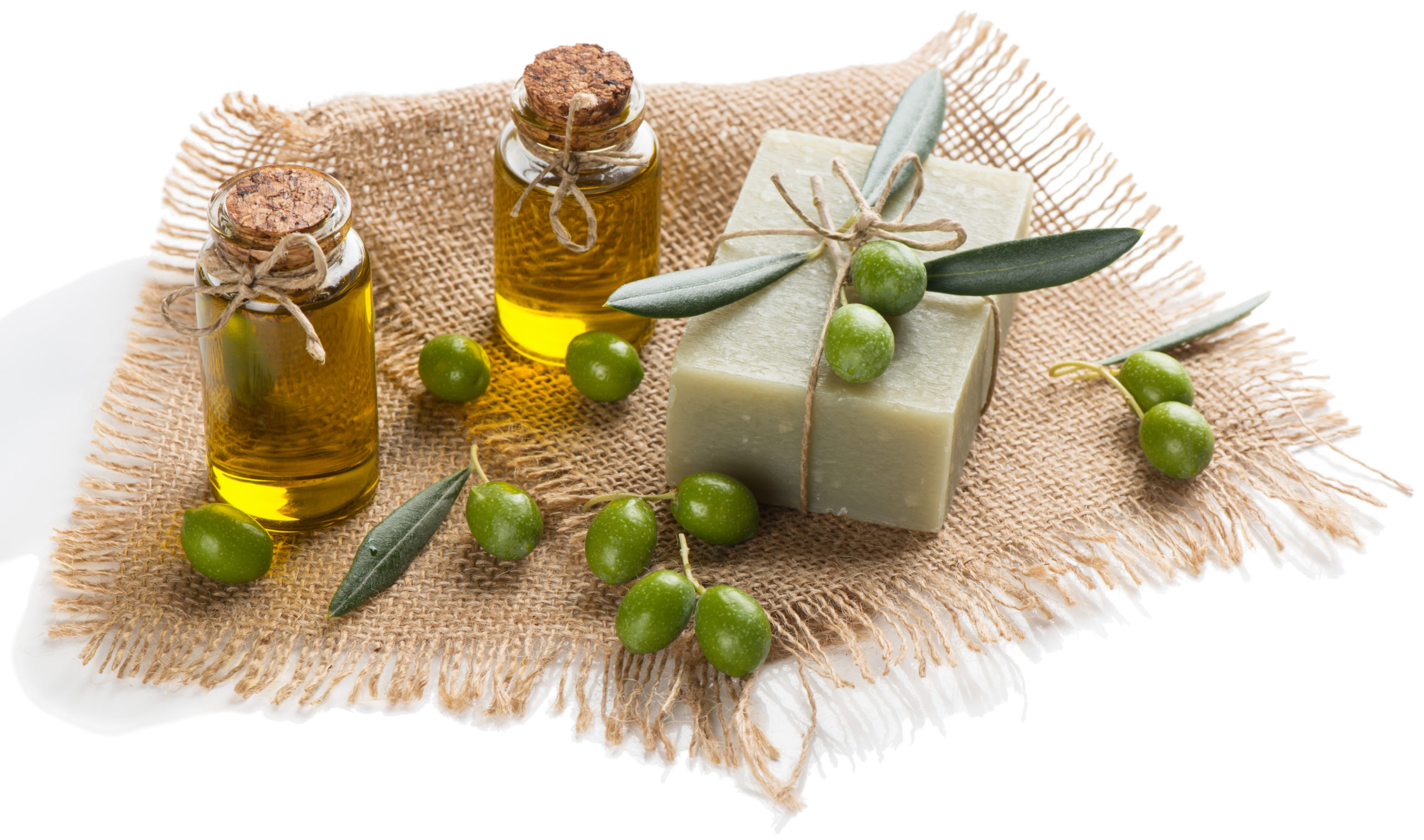
This comprehensive exposition on olive oil soap aims to delve deeply into its composition, historical legacy, manufacturing processes, and an extensive catalog of its benefits. From gentle cleansing to targeted remedial uses, from its ecological impact to its cultural significance, this article draws upon scientific research, practical insights, and historical context to offer a highly detailed understanding of why olive oil soap remains a vital element of natural living. As part of the Knowledge Hub at the Free Source Library (freesourcelibrary.com), this article strives to serve as an authoritative resource for skincare enthusiasts, environmental advocates, and those seeking holistic wellbeing.
Historical and Cultural Significance of Olive Oil and Olive Oil Soap
Ancient Origins and Cultural Heritage
The origins of olive oil utilization in personal care trace back to ancient civilizations, notably the Greeks, Romans, Egyptians, and Phoenicians, who prized the oil not just as a culinary ingredient but as a medicinal and cosmetic marvel. Olive oil was believed to possess divine qualities, often used both in spiritual rituals and for skin protection against harsh environmental elements.
In ancient Greece, olive oil was integral to athletic preparation, skincare, and religious ceremonies, symbolizing health and vitality. Roman baths often featured olive oil as a key component of their beauty routines, with refined techniques passed down through generations, culminating in the craft of soap-making using olive oil—culminating in what we now recognize as castile soap. These traditions persisted through medieval periods and influenced the development of artisanal soap-making in various Mediterranean regions.
Traditional Craftsmanship and Techniques
Historically, artisans employed cold process or hot process methods to manufacture olive oil soap, ensuring the preservation of delicate bioactive compounds and a gentle skin profile. These techniques involved mixing high-quality extra virgin olive oil with alkali solutions like sodium hydroxide, followed by curing periods ranging from several weeks to months, allowing the soap to harden and its beneficial properties to mature.
Traditional soap artisans meticulously select regional olive oils, often combining local botanicals or botanical extracts to create unique formulations that balance efficacy with sensory pleasure. The handmade aspect preserves a heritage of craftsmanship that emphasizes quality, authenticity, and sustainability—principles still upheld in current artisanal production practices.
Ingredients and Manufacturing of Olive Oil Soap
Core Components and Variations
Pure olive oil soap primarily comprises three ingredients: olive oil (most often extra virgin for maximum purity), water, and sodium hydroxide (lye). The precise proportions influence factors such as hardness, lather quality, and moisturizing properties. Variations may include the addition of other natural oils—such as coconut oil, palm oil, or shea butter—to enhance cleansing, lather, or nourishing qualities.
Manufacturing Processes
Cold Process
This traditional method involves mixing the olive oil and lye at controlled temperatures, usually below 50°C (122°F). The mixture is stirred until reaching ‘trace,’ a stage where the soap begins to thicken. After pouring into molds, it cures over 4-6 weeks, during which saponification completes, and excess water evaporates, resulting in a firm, long-lasting bar.
Hot Process
Involves heating the mixture to accelerate saponification, allowing for a shorter curing period of approximately one to two weeks. While faster, the hot process can sometimes alter delicate bioactive compounds, making cold process soap favored for preserving the natural qualities of olive oil.
Additional Ingredients for Enhanced Benefits
- Scented oils (lavender, citrus, herbal extracts) for aromatherapy benefits.
- Exfoliants like oatmeal, crushed olive pits, or herbal powders for gentle skin renewal.
- Humectants such as honey or glycerin to boost hydration.
Scientific Insights into the Benefits of Olive Oil Soap
Gentle Cleansing and pH Balance
Olive oil soap’s pH typically ranges between 8.0 and 9.0, aligning closely with the natural pH of human skin (~4.7 to 5.5). This balance helps maintain the integrity of the stratum corneum, preventing excessive moisture loss or oiliness. Unlike commercial soaps laden with surfactants that can strip natural oils, olive oil soap cleanses delicately without disrupting the skin’s barrier, preserving its hydration and defense against pathogens.
Moisturizing and Skin Nourishment
Olive oil’s composition of monounsaturated fatty acids, especially oleic acid, plays a vital role in reinforcing the lipid barrier of the skin. The presence of vitamins A, D, and E, as well as polyphenols, provides antioxidant protection, counteracting oxidative stress inflicted by environmental pollutants. Regular use compensates for natural oil loss, especially in dry or aging skin, fostering a soft, supple complexion.
Anti-Inflammatory and Healing Properties
Compounds such as oleuropein and hydroxytyrosol, predominant polyphenols in olive oil, exhibit anti-inflammatory effects that soothe irritated or inflamed skin. Clinical studies have reinforced their role in calming dermatitis and reducing redness. Their gentle nature makes olive oil soap a preferred choice for sensitive skin conditions like eczema and psoriasis, where aggressive treatments may worsen symptoms.
Antioxidant Defense and Anti-Aging
Vitamin E and other phenolics in olive oil neutralize free radicals—unstable molecules that cause cellular damage and accelerate skin aging. By shielding skin cells, olive oil soap helps diminish the appearance of fine lines, wrinkles, and age spots, contributing to a more youthful appearance over time.
Exfoliation and Skin Renewal
Some formulations incorporate natural exfoliants such as oatmeal or crushed olive pits, which gently slough off dead cells, promote cell turnover, and improve overall skin texture. This enhances the absorption of moisturizing agents and reveals a brighter, more even complexion.
Benefits Beyond the Skin: Hair and Overall Wellness
Hair Care Benefits
Olive oil soap can serve as a nourishing shampoo or scalp cleanser, particularly for dry, damaged, or curly hair types. The fatty acids penetrate hair strands, strengthening keratin and reducing breakage. Its gentle cleansing properties also help regulate scalp oils, minimizing dandruff and irritation. Additionally, rinse-out conditioners based on olive oil soap can impart shine and manageability, contributing to healthier hair growth.
Environmental Sustainability
Made from natural, biodegradable ingredients, olive oil soap minimizes ecological impact. It readily degrades in aquatic environments, reducing pollution and protecting ecosystems. Moreover, artisanal and small-batch producers favor sustainable practices, including environmentally friendly harvesting and minimal processing, making olive oil soap an eco-conscious choice for conscientious consumers.
Economic and Social Impact
Although premium olive oil soap might have a higher initial price point, its longevity and effectiveness make it cost-effective over time. Supporting small-scale producers also helps sustain rural economies, maintain traditional craftsmanship, and reduce reliance on synthetic, mass-produced alternatives.
Therapeutic and Medicinal Uses
Managing Skin Conditions
For individuals with chronic skin conditions such as eczema, psoriasis, or dermatitis, olive oil soap offers a gentle cleansing routine that minimizes flare-ups. Its anti-inflammatory ingredients soothe irritation and help restore skin barrier function.
Studies indicate that consistent use can decrease skin dryness and itching, facilitating improved quality of life for sufferers. It is important, however, to recognize that severe cases may require supplementary medical treatments; olive oil soap is best seen as an adjunct rather than a cure-all.
Support for Wound Healing and Cell Regeneration
The antioxidants and vitamins in olive oil aid in tissue repair, support new cell growth, and expedite wound healing. Topical application or gentle cleansing with olive oil soap can complement dermatological therapies, especially in skin susceptible to injury and slow healing.
Use and Care: Maximizing the Benefits
Application Tips for Skin and Hair
To optimize the benefits, apply olive oil soap on damp skin or hair, lather gently, and rinse thoroughly with lukewarm water. For skin, using a loofah or washcloth can help stimulate circulation and facilitate exfoliation. For hair, massaging the scalp in circular motions enhances blood flow and ensures thorough cleansing.
Storage and Preservation
Store olive oil soap in a dry, well-ventilated area away from direct sunlight. Using a soap dish with drainage prevents moisture buildup, prolonging the soap’s lifespan. Its natural composition means it does not contain preservatives, so proper storage is critical.
Patch Testing and Sensitivity Considerations
Though generally hypoallergenic, individuals with specific allergies or sensitivities should conduct patch tests prior to widespread use. Incorporating natural essential oils or botanicals can sometimes trigger reactions; selecting fragrance-free or mild formulations is advisable for sensitive skin.
Market Trends and Consumer Preferences
Growing Demand for Natural and Organic Products
Consumer awareness about synthetic chemicals and their potential health impacts has driven a surge toward natural skincare solutions. Olive oil soap’s reputation as a pure, toxin-free product aligns with this trend, fueling its global popularity.
Innovative Formulations and Variations
Manufacturers are now integrating exotic botanicals, exotic essential oils, or nutrient-rich additives into olive oil soap to cater to diverse skincare needs. Variants infused with lavender, eucalyptus, citrus, or herbal extracts provide aromatherapy benefits and sensory delight, elevating the bathing experience.
Eco-Friendly and Ethical Consumerism
Labeling transparency, organic certification, cruelty-free practices, and fair-trade sourcing have become important factors influencing buying decisions. Consumers increasingly prefer brands committed to environmental sustainability, social responsibility, and preserving traditional craft methodologies.
Comprehensive Data Table: Comparing Olive Oil Soap with Conventional Soaps
| Property | Olive Oil Soap | Commercial Synthetic Soap |
|---|---|---|
| Base Ingredients | Olive oil, water, sodium hydroxide | Synthetic surfactants, artificial detergents, preservatives |
| pH Level | 8.0–9.0 | Typically 9.5–11.0 |
| Skin Compatibility | Highly compatible, especially for sensitive and dry skin | Can cause irritation, especially in sensitive skin |
| Moisturizing Effect | Excellent due to nourishing fatty acids and antioxidants | Often drying or harsh |
| Environmental Impact | Biodegradable, eco-friendly | Often non-biodegradable, contains synthetic compounds |
| Cost | Moderate, long-lasting | Variable; often cheaper but shorter lifespan |
| Aromatherapy | Possible with botanical infusions | Usually synthetic fragrances |
| Traditional Craftsmanship | Supported by artisanal, handmade techniques | Mass-produced, industrial processes |
Supporting Sources and Scientific References
Key references supporting this comprehensive overview include peer-reviewed studies examining the bioactive constituents of olive oil, such as the work by:
- Shahidi and Fitton (2022). Olive Oil Phenolics and Their Role in Skin Protection.
- Mansour et al. (2021). Natural Skincare: The Efficacy of Olive Oil-based Cosmetic Products.
These studies illustrate the potent antioxidant and anti-inflammatory effects attributed to specific compounds in olive oil and validate traditional claims with modern scientific analysis.
Conclusion: Embracing the Natural Power of Olive Oil Soap
As a timeless embodiment of natural skincare, olive oil soap combines centuries-old traditions with cutting-edge scientific validation. Its gentle cleansing, nourishing, anti-inflammatory, and antioxidant properties make it an ideal choice for diverse skin types, including sensitive and compromised skin conditions. Its environmental benefits and cultural heritage further elevate its appeal in a world increasingly focused on sustainability and authenticity.
Adopting olive oil soap into your daily routine not only fosters personal wellbeing but also aligns with a broader commitment to eco-friendly and ethically sourced products. Whether handcrafted by artisans or produced on a larger scale with traditional methods, this quintessential soap remains an enduring symbol of natural beauty, health, and cultural continuity. Explore more such enriching insights at the Free Source Library (freesourcelibrary.com), where knowledge meets sustainability and tradition.