
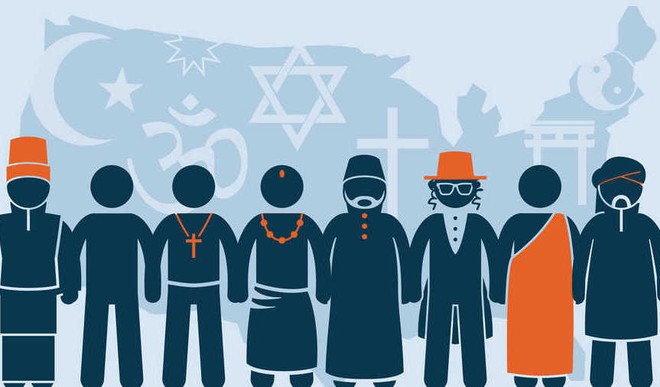
 Free Source Library — Exploring the nuanced origins, perpetuating factors, and solutions to religious bigotry provides essential insights into fostering a more tolerant world.
The Deep Roots of Religious Bigotry: An In-Depth Analysis
Religious bigotry, also identified as religious intolerance or discrimination, manifests as an insidious social ill that has persisted across centuries and civilizations. Its manifestations range from passive prejudice to outright persecution and violence, often rooted in complex historical, cultural, political, and psychological factors. Understanding these layers is vital not only for comprehension but for effective action toward building inclusive, respectful societies where religious diversity is embraced rather than feared. Throughout history, religious bigotry has left scars—from the brutal religious wars of Europe to the persecution of minorities under colonial rule—forming a tableau of conflict that continues to influence contemporary societies. Recognizing how these historical narratives shape present-day attitudes enables us to address the biases that have been perpetuated across generations.
Unraveling the Historical Roots of Religious Intolerance
The Legacy of Religious Conflicts and Wars
History is replete with conflicts driven by religious differences. The Crusades (11th–13th centuries) epitomize a period when religious fervor led to protracted warfare between Christians and Muslims. These military campaigns not only caused immense suffering but also inculcated mutual mistrust and hostility that persisted long after the wars ended. Similarly, the Spanish Inquisition (15th–17th centuries) sought to root out heresy, targeting Jews, Muslims, and other minorities. Forced conversions, expulsions, and executions created a climate of suspicion, shame, and division that left longstanding scars. Such events cemented an attitude of religious exclusivity and suspicion, frequently passed down through generations. The Protestant Reformation and subsequent religious wars, such as the Thirty Years’ War, further intensified divisions within Christianity, leading to a cycle of violence rooted in doctrinal disagreements and political power struggles.
Colonialism’s Role in Religious Stratification
European colonial expansion brought with it the spread of Christianity and the imposition of Western religious paradigms on indigenous populations across Africa, Asia, and the Americas. This often involved suppression of local religions, forced conversions, and cultural erasure, leading to resistance, resentment, and inter-group tensions that echo into modern times. Post-colonial societies sometimes inherited these divisions, where colonial-era policies favored certain religions over others, reinforcing societal hierarchies and prejudices. These historical legacies can manifest today as systemic discrimination and sectarian violence.
Historical Grievances and Intergenerational Trauma
Historical injustices—be they forced conversions, massacres, or expulsions—generate grievances that influence identity and collective memory. When societies fail to address or reconcile these past wrongs, they risk perpetuating cycles of resentment, suspicion, and hostility that foster religious bigotry. Understanding these historical grievances underscores the importance of restorative justice practices, memorialization, and educational efforts that acknowledge past wrongs as part of healing processes.
Social and Cultural Underpinnings of Religious Bigotry
Religion as Identity and Cultural Symbol
In many societies, religion is more than spiritual belief; it embodies national identity, cultural heritage, and social cohesion. When political or social structures intertwine with religious identity, it creates a potent formula for exclusionary practices. For instance, in some countries, the dominant religion is enshrined as a core element of national identity. Minority religions, therefore, become not only different but perceived as threats to cultural integrity or sovereignty, thus justifying discrimination or marginalization.
Social Norms, Traditions, and Exclusion
Cultural practices often reinforce religious boundaries. For example, a community’s customs surrounding marriage, dietary laws, or ceremonies can serve as markers of religious identity. When these norms are rigid or enforced uniformly, they can become barriers to social integration for outsiders or minorities. In some contexts, social pressure discourages interfaith interactions, further entrenching stereotypes and prejudices. Psychologically, these social norms create an “in-group/out-group” dynamic, leading members to favor their own group and distrust or dismiss others.
Role of Caste and Class Systems in Religious Discrimination
Caste systems, such as those historically present in India, are deeply intertwined with religion and perpetuate social hierarchies. Discriminatory practices against lower castes or marginalized groups within religious communities illustrate how social stratification is often justified through religious doctrine, reinforcing inequality and bigotry. Similarly, class distinctions often align with religious lines, especially in societies where religion is a core element of social identity, impacting access to resources, education, and political influence.
Political Dynamics and Their Influence on Religious Intolerance
The Politicization of Religious Identities
Political actors have historically exploited religious divisions to consolidate power, create electoral coalitions, or divert attention from socioeconomic issues. Such manipulation often inflames tensions and legitimizes discrimination. In many cases, political rhetoric framing minorities as threats or enemies escalates hostility. For example, policies that favor the majority religion—such as special legal privileges, restrictions on minority religious practices, or anti-blasphemy laws—serve to marginalize religious minorities further.
Secularism, State Policies, and Religious Freedom
A secular state aims to balance religious freedom with neutrality; however, its practices vary widely. In some countries, state favoritism toward a specific religion fosters systemic bigotry, while in others, secular policies undermine religious expression altogether. Legal protections for religious minorities, such as anti-discrimination laws and religious freedom acts, are crucial components of a tolerant legal framework. Failure to implement such policies often leads to institutionalized bigotry and social unrest.
Economic Factors Fueling Religious Discrimination
Economic Power and Control
Economic influence often correlates with religious identity, especially when certain groups dominate specific industries, land ownership, or financial institutions. This concentration can lead to perceptions of economic exploitation or dominance, breeding resentment among other communities. For example, accusations of economic greed or monopolization have historically been used to stigmatize religious minorities, leading to exclusion and violence.
Resource Scarcity and Competition
In resource-scarce environments or during periods of economic downturn, scapegoating becomes an effective tool for mobilizing support. Religious minorities are often blamed for economic woes, such as poverty or unemployment, fueling hostility. Historical episodes include pogroms where minority communities were accused of economic sabotage, and contemporary cases where economic grievances are channeled into religious conflict.
Inequality and Marginalization
Persistent economic disparities contribute to social fragmentation. Marginalized religious groups often face barriers to education, employment, and political participation, reinforcing cycles of poverty and exclusion. Addressing economic inequality involves fostering inclusive development policies, ensuring access to resources, and providing social safety nets for vulnerable populations.
Psychological and Cognitive Drivers of Religious Bigotry
Stereotypes and Confirmation Bias
The human tendency to categorize simplifies complex social realities but often leads to stereotyping. Once negative beliefs form about a religious group, confirmation bias sustains and amplifies those beliefs as individuals seek information that reinforces pre-existing views. For example, media portrayals or anecdotal experiences may confirm stereotypes about certain religions, regardless of their accuracy.
Fear and Insecurity
Fear of cultural dilution, loss of identity, or perceived threats to societal stability can motivate hostility toward religious minorities. When individuals feel insecure about their social or economic status, they may resort to discriminatory attitudes as a defense mechanism. Psychological studies indicate that perceived threats—real or perceived—can heighten in-group favoritism and out-group hostility.
Group Identity and Social Cohesion
Religious affiliation often forms a core part of personal and collective identity. When this identity is perceived as under threat—such as by minority religious practices or demographic shifts—defensive reactions emerge, sometimes escalating into bigotry. Interventions focused on expanding individual and group identity beyond narrow religious affiliations can reduce tensions.
The Role of Education and Media in Shaping Attitudes
Educational Content and Religious Literacy
Curricula that lack balanced, accurate representations of diverse religions perpetuate misconceptions. Ignorance breeds fear, which in turn fosters intolerance. Promoting religious literacy through inclusive education, intercultural exchanges, and critical thinking skills is pivotal. Case studies show that students exposed to interfaith dialogue programs display higher levels of tolerance and empathy.
Media Representation and Public Perception
Media narratives influence societal attitudes significantly. Sensationalist or biased coverage can frame minority religions as threats, while responsible journalism fosters understanding. Media initiatives such as documentary series, cross-cultural reporting, and community engagement campaigns have demonstrated effectiveness in reducing prejudice and building bridges.
Counteracting Misinformation and Hate Speech
Combatting misinformation involves fact-checking, promoting credible sources, and regulating hate speech online. Creating platforms for positive stories about religious diversity can shift public perception over time.
Religious Extremism: The Catalyst for Violence and Discrimination
Understanding Extremist Ideologies
Religious extremism manifests through distorted interpretations of doctrines that justify violence, exclusion, or hostility toward others perceived as threats or sinners. Movements such as ISIS or certain sectarian militant groups exemplify how religious ideologies can be weaponized. However, extremism often thrives in environments of political instability, economic hardship, and social marginalization, indicating deeper systemic issues.
Counteracting Extremism
Strategies include community-based interventions, counter-narratives promoting peaceful interpretations, and targeted de-radicalization programs. Interfaith dialogue also serves as a vital tool for reducing animosity and fostering reconciliation.
Case Scenario: Successful Deradicalization Programs
Successful programs share common features: – Engagement with community and religious leaders – Addressing underlying grievances and social issues – Providing economic and psychological support – Promoting narratives of peace and coexistence These approaches demonstrate that extremism can be mitigated through holistic, community-centered efforts.
Globalization, Migration, and Religious Bigotry in the Modern World
The Impact of Increased Cultural Contact
Globalization fosters intercultural exchanges, which can lead to mutual understanding but also to clashes stemming from perceived threats to cultural or religious identities. Migration introduces diverse religious communities into traditionally homogenous societies. While this diversity can enrich societies, it can also trigger xenophobia and religious prejudice if not managed with inclusive policies.
The Challenges and Opportunities of Multicultural Societies
Effective integration policies, intercultural dialogue, and legal protections are essential to prevent religious bigotry. Celebrating religious festivals, promoting intercultural education, and ensuring representation of minorities foster societal cohesion.
Future Outlook and Strategies
Advancing towards a more tolerant future requires: – Strong legal frameworks protecting religious freedoms – Education systems fostering understanding and empathy – Media responsible for accurate and balanced portrayal – Community initiatives encouraging dialogue and cooperation By addressing fundamental fears and misconceptions, societies can harness globalization’s potential to promote religious harmony.
Comprehensive Strategies for Combating Religious Bigotry
Promoting Interfaith Dialogue and Cooperation
Dialogue initiatives involve communities, religious leaders, and policymakers working together to build empathy and understanding. These foster trust, dispel myths, and showcase common values.
Legal Protections and Human Rights Advocacy
Effective legislation that guarantees religious freedom and punishes discrimination serves as a foundation for societal tolerance. International frameworks, such as the Universal Declaration of Human Rights, set standards that countries can adopt and implement.
Community Engagement and Education Programs
grassroots programs that include school curricula, community workshops, and youth engagement initiatives can challenge stereotypes early, fostering a new generation committed to diversity and inclusion.
Media and Information Campaigns
Campaigns that highlight stories of interfaith cooperation or challenge hate speech help shape public perception positively. Responsible media coverage and social media campaigns can counteract misinformation.
Deeper Examples and Case Studies for Application
Case Study: The Interfaith Youth Core in the United States
Founded to cultivate interfaith leadership among young people, this organization promotes dialogue and joint community service projects, leading to ripples of mutual understanding across diverse backgrounds.
Step-by-Step Framework for Addressing Religious Bigotry Locally
- Assess community perceptions and sources of prejudice
- Engage local religious and community leaders
- Develop educational materials emphasizing common values
- Organize interfaith events and dialogues
- Implement policies that protect minorities from discrimination
- Monitor and evaluate progress regularly
Checklist for Building Inclusive Societies
- Legal protections for religious freedoms in place
- Educational programs incorporating religious literacy
- Representation of minorities in decision-making roles
- Active interfaith and intercultural initiatives
- Media outlets committed to balanced storytelling
- Community spaces for dialogue and mutual understanding
Common Challenges and Troubleshooting in Combating Religious Bigotry
Overcoming Resistance and Entrenched Biases
Change is often met with resistance from groups benefiting from exclusive or discriminatory systems. Strategies include persistent education, dialogue, and demonstrating the benefits of diversity.
Addressing Misinformation and Hate Speech
In digital spaces, hate speech can spread rapidly. Content moderation, media literacy education, and promoting positive narratives are key tools.
Ensuring Policy Implementation and Enforcement
Laws alone are insufficient; active enforcement, judicial independence, and community buy-in are vital for meaningful impact.
Mitigating Backlash and Social Divisions
Gradual, inclusive approaches that emphasize shared values and common goals help reduce backlash from groups resistant to change.
Frequently Asked Questions (FAQs)
What are the most common forms of religious bigotry today?
Discrimination can take many forms, including social exclusion, legal restrictions, violence, hate speech, and propagandist media representations targeting religious minorities.
Can religious bigotry be entirely eradicated?
While complete eradication may be improbable, concerted efforts through education, policy, and community initiatives can significantly reduce its prevalence and impact.
How does interfaith dialogue help in reducing religious bigotry?
Interfaith dialogue fosters understanding, dispels myths, and builds personal relationships across religions, which humanizes the ‘other’ and weakens prejudicial attitudes.
What role do governments play in combating religious discrimination?
Governments set legal and policy frameworks that protect religious freedoms, promote equal rights, and combat hate speech and violence. Effective enforcement and civic engagement are equally critical.
How can individuals contribute to reducing religious bigotry?
Personal education, challenging stereotypes, engaging in respectful dialogue, and supporting inclusive policies make proactive contributions toward societal tolerance.
Final Reflection: Toward a More Inclusive Future
Combating religious bigotry is an ongoing process that requires vigilance, compassion, and proactive engagement. Recognizing the deep historical roots, socio-political influences, and psychological underpinnings enables us to develop targeted strategies. Promoting understanding, respect, and human rights at every level—individual, community, national, and global—lays the groundwork for a future where religious diversity is celebrated and intolerance diminishes. The journey toward such inclusiveness depends on collaborative efforts, continuous education, and unwavering commitment to empathy—principles that transcend religious boundaries and forge a shared path of harmony and mutual respect.