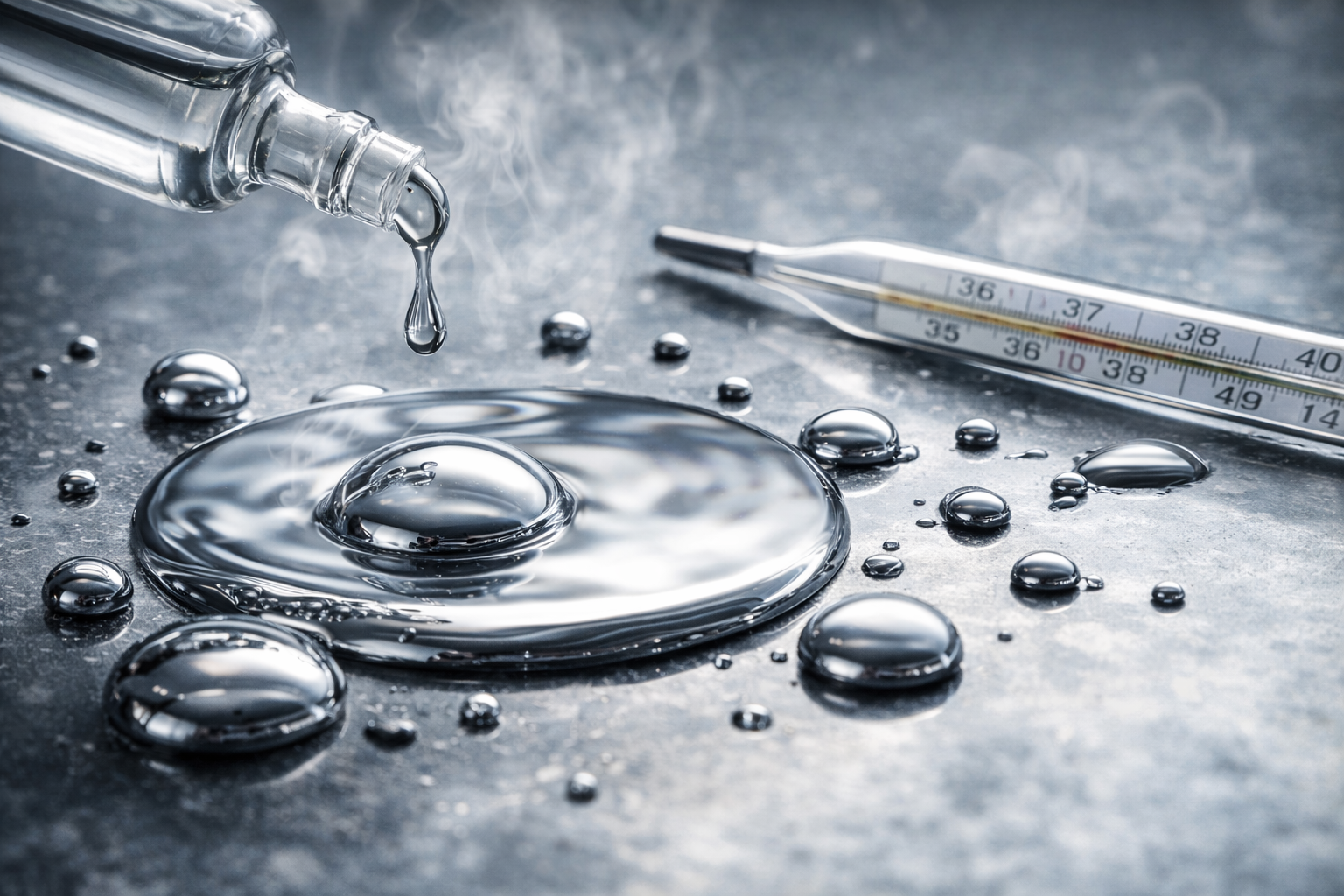
 Free Source Library — Exploring the complex world of white mercury reveals a fascinating intersection between historical significance, scientific utility, and environmental responsibility. Its diverse applications, from ancient alchemy to modern industrial processes, underscore its importance—balanced by the urgent need for caution and sustainability.

Historical Background and Cultural Significance of White Mercury
Origins in Alchemy and Ancient Practices
White mercury, or mercury(II) oxide, has been intertwined with human history for centuries. Its earliest known uses trace back to alchemy, a proto-science blending mystical philosophies with early experimentation. Alchemists regarded mercury as a symbol of transformation due to its ability to change states and combine with other elements. The element’s dual nature—liquid at room temperature and toxic—embodied the symbolic union of opposites, representing purity and danger simultaneously. Throughout the Middle Ages and Renaissance periods, mercury was believed to hold the key to transmutation—the mythical conversion of base metals into gold—enticing countless practitioners and mystics. Many alchemists attempted to harness mercury’s supposed powers, leading to extensive experimentation and foundational developments in early chemistry. Notably, the pursuit of transforming mercury into gold played a pivotal role in the evolution of laboratory techniques and chemical theory.
“Mercury was the alchemist’s elixir—both revered and feared—straddling the line between mystical virtue and poisonous threat.”
Transition to Scientific Credibility
By the 17th century, advances in scientific methodology began to demystify mercury’s properties. The work of chemists like Robert Boyle and Joseph Priestley helped establish it as a tangible element with measurable characteristics. Despite this progress, the toxicity of mercury compounds was recognized only gradually. The development of modern chemistry in the 19th and early 20th centuries saw mercury improve industrial and scientific applications, firmly embedding white mercury oxide as a crucial intermediate. Yet, its dark side—health hazards—also became apparent, leading to debates about safety and regulation.
Chemical Structure, Properties, and Behavior of White Mercury
Chemical Composition and Characteristics
White mercury is primarily known as mercury(II) oxide (HgO). It exists in two crystalline forms—red and yellow—depending on its preparation conditions, temperature, and purity. The orthorhombic red form transforms into the monoclinic yellow form upon heating, which then decomposes further to release elemental mercury vapor and oxygen. Physically, white mercury oxide appears as a pale yellow or creamy-white powder or crystalline solid. Its melting point is about 427°C (801°F), and it sublimates readily under heating, releasing mercury vapor—a highly toxic gas.
| Property | Value | Notes |
|---|---|---|
| Chemical Formula | HgO | |
| Physical State | Solid (powder or crystalline) | |
| Color | Pale yellow or white | Depends on crystalline form |
| Melting Point | 427°C (801°F) | |
| Decomposition | Decomposes to Hg(l) + O2 | At temperatures above 400°C |
Toxicity and Safety Concerns
Mercury(II) oxide and vapors emitted during heating or improper handling pose severe health risks. Inhalation can cause mercury poisoning, with neurological effects such as tremors, cognitive disturbances, and mood changes. Chronic exposure may damage kidneys, lungs, and the nervous system. The metal readily bioaccumulates in aquatic organisms, magnifying its risks as it enters food chains. Proper handling protocols—such as using fume hoods, protective clothing, and adhering to disposal regulations—are mandatory in all environments where white mercury is present.
Industrial and Scientific Applications of White Mercury
1. Chemical Manufacturing and Organic Synthesis
White mercury oxide serves as a key precursor in synthesizing various mercury compounds. Its thermal decomposition produces elemental mercury, useful in manufacturing processes, and it plays a role in producing mercuric salts used as catalysts or in analytical chemistry. In organic chemistry, mercury compounds derived from HgO act as catalysts or reagents in carbon-carbon coupling reactions, halogenations, and specific oxidations. For example, the oxidation of alcohols to aldehydes or ketones sometimes involves mercury-based reagents.
2. Electrical and Electronic Components
Due to its excellent electrical conductivity, mercury has historically been essential in switches, relays, and rectifiers. Mercury switches operate reliably because the metallic drop moves to close or open electrical circuits precisely, enabling sensitive controls. Today, mercury’s use in electronics is declining due to environmental concerns, but specialized equipment still benefits from its unique properties. Mercury vapor rectifiers, for example, once provided stable and efficient power conversion.
3. Photography and Imaging Technology
In traditional photographic processes, mercury compounds are incorporated into emulsions to improve stability and sensitivity to light. As photographic technology advanced, mercury-based chemicals allowed for finer resolution and better image preservation. While largely obsolete, historical photographic archives still contain images produced with mercury-containing emulsions, preserving cultural and scientific heritage.
4. Art Conservation and Restoration
Mercury compounds are valuable in art restoration—particularly for consolidating fragile paints and textiles. Mercury’s high affinity for sulphur and other compounds helps stabilize deteriorated artifacts, preventing further decay. These techniques, however, are used with caution due to toxicity.
5. Analytical Chemistry and Spectroscopy
Mercury’s spectral properties are exploited in analytical techniques like atomic absorption spectroscopy (AAS) and fluorescence spectroscopy for detecting low concentrations of metals, including mercury itself. These tools enable accurate monitoring of environmental pollution and contamination levels.
6. Medical and Dental Use
Historically, dental amalgams—mercury mixed with silver, tin, and copper—used white mercury for its durability and ease of placement. Concerns about mercury exposure prompted regulatory restrictions and a shift toward composite or ceramic fillings. Similarly, in traditional medicine, mercury compounds were used for various treatments, though they are now replaced by safer alternatives. Nonetheless, some regions still have legacy practices involving mercury compounds.
7. Medical Equipment and Thermometry
Mercury-filled thermometers once provided accurate temperature readings owing to mercury’s high thermal expansion. Although phased out due to health risks, they remain in use in some specialized laboratories, especially where extreme precision is necessary.
8. Catalysis in Chemical Industries
Mercury-based catalysts are employed in processes like the hydration of alkynes and certain oxidative reactions. Their high efficiency stems from mercury’s ability to form volatile intermediates, facilitating product formation under controlled conditions.
9. Fuel Cells and Energy Technologies
Emerging research explores mercury compounds in novel energy storage and conversion systems, such as fuel cells. Although still experimental, these systems aim to utilize mercury’s unique electrochemical properties to develop sustainable energy solutions.
10. Alloy Formation and Specialty Materials
Mercury alloys are used in specialized environments demanding resistance to corrosion and low friction, including aerospace and marine hardware. These alloys must be handled carefully, given mercury’s toxicology.
11. Use in Hydrocarbon and Petroleum Industry
Mercury catalysts facilitate hydrocarbon reforming and isomerization, improving fuel quality and yield. These processes are highly efficient but face increasing scrutiny over environmental impacts, encouraging research into mercury-free alternatives.
Impacts, Risks, and Regulations Surrounding White Mercury
Environmental Consequences
Mercury released into the environment contaminates air, soil, and water systems. It bioaccumulates in fish and shellfish, leading to elevated mercury levels in seafood, which pose dietary risks to humans. Mercury pollution is persistent, with environmental half-lives stretching over decades. Industrial emissions—principally from chlor-alkali plants, coal-fired power plants, and waste incineration—are the primary pollution sources. International treaties like the Minamata Convention seek to reduce emissions and eliminate the use of mercury in products and processes.
Health Risks and Occupational Safety
Individuals working in industries utilizing white mercury face dangers from inhalation of vapors, dermal absorption, and accidental ingestion. Symptoms of mercury poisoning include tremors, memory loss, cognitive decline, respiratory issues, kidney failure, and developmental delays in children. Strict safety protocols—such as proper ventilation, personal protective equipment, and waste disposal—are mandatory. Medical surveillance programs are implemented to monitor workers’ exposure levels.
Legal and Regulatory Landscape
Worldwide, many jurisdictions have enacted bans or restrictions on mercury use—particularly in cosmetics, dental fillings, and industrial manufacturing. The Minamata Convention, a global treaty, provides a framework for phasing out mercury use, promoting environmentally friendly alternatives, and controlling emission sources. | Regulation Area | Restrictions | Examples | |——————-|—————-|———-| | Dental Practices | Banning or limiting amalgam use | Restrictive policies in the EU and California | | Industrial Use | Phasing out chlor-alkali processes | Transition to membrane cell technology | | Waste Management | Mercury waste collection and disposal | Specialized hazardous waste protocols | | Environmental Standards | Emission reduction targets | Limits on mercury emissions from coal plants |
Sustainable Alternatives and Future Directions
Development of Mercury-Free Technologies
Innovations aim to replace mercury in various applications: – **Replacements in Thermometry**: Alcohol, digital sensors, or galinstan alloys. – **Alternatives in Dentistry**: Composite resins, ceramics, and glass-ionomer cements. – **Catalyst Substitutes**: Gold, platinum, or environmentally benign metal catalysts for chemical reactions. – **Environmental Remediation**: Nanomaterials and phytoremediation to extract and detoxify mercury from contaminated sites.
Green Chemistry and Industry Practices
The shift towards sustainable science emphasizes minimizing hazardous chemicals. These include: – **Designing processes that avoid mercury use altogether**. – **Implementing closed-loop systems** to capture and recycle mercury waste. – **Adopting safer chemicals and reaction conditions**, aligning with principles of green chemistry.
Public Education and Policy Advocacy
Enhanced awareness campaigns, community education, and advocacy are vital for reducing mercury exposure risks. Policy efforts focus on: – Encouraging the adoption of mercury-free alternatives. – Promoting responsible disposal and recycling. – Supporting international cooperation to phase out mercury globally.
Conclusion: Balancing Utility and Responsibility
White mercury stands as a testament to human ingenuity—its unique properties enabling technological advances across fields, from chemistry to medicine, and art to energy. Nonetheless, its toxicity mandates a cautious, informed approach. The future relies on innovative, sustainable alternatives and comprehensive regulation to harness its benefits while safeguarding health and the environment.
References
- United Nations Environment Programme. Minamata Convention on Mercury. https://www.mercuryconvention.org
- World Health Organization. Mercury and Health. https://www.who.int/news-room/fact-sheets/detail/mercury-and-health