Introduction
Spices have long been integral to human civilization, serving not only as flavor enhancers but also as vital elements in traditional medicine, cultural identity, and culinary innovation. Among the diverse spectrum of spices, white spices uniquely occupy a subtle yet influential niche, characterized by their lighter hues and often delicate flavors. They build the backbone of countless dishes, providing depth and aroma without overshadowing other ingredients. The exploration of these spices reveals a universe rich in botanical diversity, biochemical complexity, and culinary versatility. This comprehensive examination, hosted on freesourcelibrary.com, aims to dissect the core components, origins, culinary applications, and health benefits of white spices, offering a deep and scientifically grounded understanding tailored for both culinary professionals and health-conscious consumers.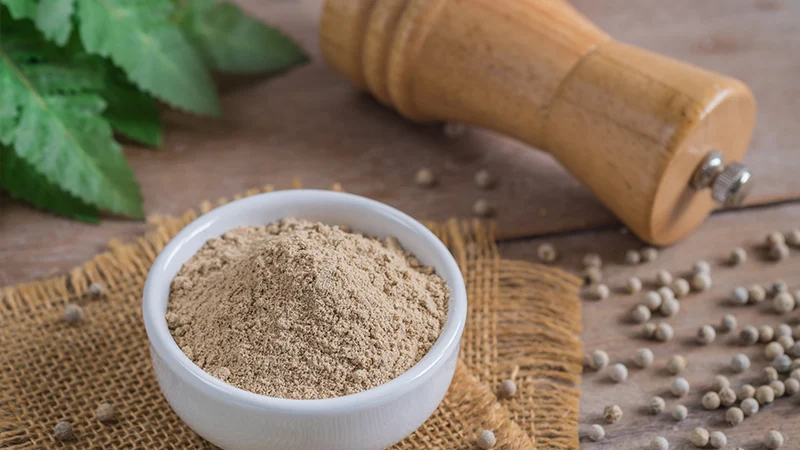

Understanding White Spices: Definition, Characteristics, and Significance
What Are White Spices?
White spices are generally derived from plant parts that exhibit a pale appearance and are often processed to preserve their subtle flavors and aromatic compounds. Unlike their more colorful counterparts, such as turmeric or paprika, white spices tend to have muted hues—ranging from off-white to light beige—and are favored for their ability to blend seamlessly into dishes, imparting flavor without altering color. They are primary components in many traditional cuisines for their aromatic and taste-enhancing properties.
The Significance in Culinary Traditions
These spices serve dual roles: flavor enhancement and aesthetic maintenance. For dishes that require a light or creamy appearance, white spices are invaluable. Their mild yet complex flavors enable chefs to craft balanced dishes where visual presentation and taste harmony are paramount. From creamy sauces to delicate baked goods, white spices contribute to the multi-layered profiles that define global cuisines, especially in European, Middle Eastern, Indian, and Mediterranean culinary traditions.
Historical Perspectives and Cultural Relevance
Historically, white spices have played roles beyond the kitchen, often linked to medicinal practices and traditional healing systems. For instance, coriander and fennel seeds have been traced back to ancient civilizations like Egypt and Mesopotamia, where their preservation and trade supported both culinary and medicinal uses. The strategic cultivation and trade of white spices facilitated early commerce routes, influencing cultural exchange and culinary evolution.
The Primary Components of White Spices
Analyzing the Components of Key White Spices
The foundation of understanding white spices lies in their chemical composition, flavor profiles, and bioactive compounds. These elements determine not only their culinary characteristics but also their health impacts. The following sections will deep-dive into key white spices, discussing their chemical constituents, origins, and the roles they play in both gastronomy and holistic health.
White Pepper (Piper nigrum)
Botanical and Processing Details
White pepper originates from the ripe berries of the Piper nigrum plant, cultivated extensively in tropical regions such as India, Vietnam, Indonesia, and Brazil. The process involves harvesting fully matured berries, soaking them to loosen the outer skin, and then removing the skin through fermentation or mechanical means. The resulting seed, devoid of the outer layer, becomes white pepper.
Chemical Composition and Flavor Profile
White pepper contains key alkaloids such as piperine, which contribute to its pungency. Its flavor exhibits earthy, musty, and slightly fermented undertones, with a less pungent heat compared to black pepper. The diminished outer skin reduces the volatile aromatic compounds responsible for black pepper’s robust aroma, resulting in a milder spice suitable for light-colored dishes.
Nutritional and Health Aspects
Though often used in small amounts, white pepper contributes piperine’s bioactivity, which may enhance digestion, increase absorption of nutrients, and possess anti-inflammatory properties. Some studies suggest piperine can also exert antimicrobial effects, adding to its potential health benefits.
Coriander Seeds (Coriandrum sativum)
Origin and Cultivation
Coriander is native to regions spanning Southern Europe and Western Asia, with cultivation now widespread across tropical and subtropical zones worldwide. Its seeds are harvested once the plant flowers and fruit matures, typically in late summer or early autumn.
Chemical Composition and Flavors
Coriander seeds boast complex chemical profiles, rich in essential oils such as linalool, geraniol, and pinene. These compounds confer a warm, nutty, citrusy aroma, often described as mildly spicy. When ground, they release volatile oils that enhance flavor depth in dishes.
Nutritional and Medicinal Properties
Rich in antioxidants, coriander seeds contain vitamin C, dietary fiber, and minerals like iron and magnesium. They have been associated with antimicrobial, anti-inflammatory, and digestive-enhancing effects. Modern research suggests coriander may aid in reducing blood sugar levels and cholesterol, underscoring its health-promoting properties.
Fennel Seeds (Foeniculum vulgare)
Botanical Background and Cultivars
Fennel is a perennial herb indigenous to the Mediterranean region but cultivated globally. The seeds are harvested from the matured flowers, usually in late summer. Cultivars can vary slightly, but their common feature is a distinct anise-like aroma.
Biochemical Composition and Flavor Characteristics
The dominant compound, anethole, imparts the sweet, licorice-like flavor characteristic of fennel seeds. Fennel also contains other constituents like fenchone and estragole. These compounds contribute to their aromatic profile, while also sharing antioxidant properties.
Health Benefits and Uses
Fennel seeds are traditionally used to promote digestion, alleviate bloating, and reduce gastrointestinal discomfort. They also have diuretic and antimicrobial properties. Fennel’s rich content of antioxidants may support cellular health and combat oxidative stress.
Cardamom (Elettaria cardamomum)
Historical and Botanical Context
Originating from the Western Ghats of India, cardamom has been cultivated for millennia as a prized spice and medicinal herb. It belongs to the ginger family and features small, greenish pods containing tiny seeds, which are used for culinary and therapeutic purposes.
Phytochemical Profile and Aromatic Complexity
Cardamom contains essential oils rich in cineole, limonene, and alpha-terpineol, which generate its sweet, spicy, and herbal aroma. Its flavor is complex—a balanced combination of sweet, spicy, and cooling effects.
Health and Nutritional Benefits
Studies highlight cardamom’s antioxidant activity, potential to support digestion, and antimicrobial effects. It may also aid in lowering blood pressure and improving respiratory health. Its therapeutic virtues extend into alleviating nausea, headaches, and systemic inflammation.
Additional Common White Spices
- Garlic Powder (Allium sativum): Contains allicin, renowned for antimicrobial and cardiovascular benefits.
- Onion Powder (Allium cepa): Rich in quercetin, known for anti-inflammatory and immune-boosting effects.
- Turmeric (Curcuma longa): Contains curcumin, noted for potent anti-inflammatory and antioxidant properties.
Applications and Culinary Uses
In Cooking and Food Preparation
White spices serve as foundational ingredients for diverse cuisines—enhancing soups, stews, marinades, baked goods, and seasoning blends. Their subtle flavors are especially suited for dishes where visual aesthetics matter, such as white sauces, dairy-based desserts, and light-colored baked items.
Soups and Stews
- White pepper, garlic powder, and onion powder are often added to create depth and warmth in broths and hearty stews.
Marinades, Rubs, and Meat Preparations
- Coriander and fennel seeds are incorporated into spice blends for marinating meats, imparting aromatic freshness and subtle sweetness.
Baking and Desserts
- Cardamom and turmeric flavor baked goods like bread, cookies, and cakes, adding aromatic complexity.
Grain and Vegetable Seasoning
- These spices enhance the natural flavors of rice, grains, and vegetables, allowing versatile and healthful preparation.
Pairing and Combining White Spices
Combining white spices can augment flavor profiles, creating nuanced and balanced dishes. A typical blend may include coriander, fennel, and cardamom in spice mixes like garam masala or curry powders, providing depth and aromatic complexity to culinary creations.
The Nutritional and Health Benefits of White Spices
Antioxidative and Anti-Inflammatory Effects
Many white spices contain bioactive compounds that combat oxidative stress and reduce inflammation, contributing to chronic disease prevention. Curcumin in turmeric and essential oils in cardamom exemplify such potent phytochemicals.
Digestive and Metabolic Benefits
Fennel, coriander, and garlic are traditionally employed to support digestion, help regulate blood sugar, and reduce gastrointestinal discomfort. Modern research aligns with traditional uses, showcasing their potential to modulate metabolic pathways.
Anti-microbial and Immune-Boosting Properties
Most white spices contain compounds capable of inhibiting pathogen growth, thus strengthening immune defenses. Allicin, the active constituent of garlic, exemplifies such potent antimicrobial activity.
Supporting Cardiovascular and General Well-being
Regular inclusion of these spices in diet may improve lipid profiles, lower blood pressure, and support overall health through their anti-inflammatory and antioxidative actions.
Recent Scientific Research and Future Perspectives
Emerging Studies and Future Directions
Recent scientific inquiries focus on isolating and characterizing specific phytochemicals within white spices, aiming to harness their therapeutic potential. Advancements in nutrigenomics and phytotherapy suggest promising avenues for integrating these spices into functional foods and nutraceuticals.
Potential in Modern Medicine and Functional Foods
While traditional uses remain vital, scientific validation opens doors for white spices to be incorporated into targeted health interventions. Ongoing research emphasizes their roles in anti-inflammatory diet plans, cancer prevention, neuroprotection, and metabolic health enhancement.
Summary Data and Comparative Table
| Spice | Main Bioactive Compounds | Traditional Uses | Modern Health Benefits |
|---|---|---|---|
| White Pepper | Piperine | Digestive aid, flavor enhancer | Anti-inflammatory, antimicrobial, promotes absorption |
| Coriander Seeds | Linalool, geraniol | Digestive support, flavoring | Antioxidant, cholesterol reduction, anti-diabetic |
| Fennel Seeds | Anethole | Digestive tonic, breath freshener | Antioxidant, anti-inflammatory, antimicrobial |
| Cardamom | Cineole, limonene | Digestive aid, breath freshener | Antioxidant, improved respiratory health |
| Turmeric | Curcumin | Anti-inflammatory, skin health | Anti-cancer, neuroprotective, anti-inflammatory |
| Garlic Powder | Allicin | Cardiovascular health, immune booster | Antimicrobial, cholesterol-lowering, anti-inflammatory |
| Onion Powder | Quercetin | Flavoring, immune support | Anti-inflammatory, antihypertensive |
Sources and References
Conclusion
In sum, white spices are much more than subtle flavoring agents; they are complex reservoirs of bioactive compounds with significant health-promoting properties. Their versatility in culinary applications, coupled with their potential therapeutic benefits, underscores their importance in both traditional and modern contexts. As research continues to uncover their full potential, these spices promise to feature increasingly in innovative health interventions and gourmet culinary techniques. Embracing white spices comprehensively allows cooks and health enthusiasts alike to harness their full spectrum of benefits, ultimately fostering a deeper appreciation for these understated yet powerful ingredients in our daily lives.