
 Free Source Library — Exploring the fundamental differences between white flour and whole wheat flour reveals crucial insights into their impact on health, culinary versatility, and nutritional value.
Understanding the Core Differences: White Flour vs. Whole Wheat Flour
The decision to use one type of flour over another is often driven by culinary needs and health considerations. While both are derived from wheat, their characteristics diverge sharply due to processing methods, composition, and nutritional profiles. Grasping the fundamental distinctions allows consumers, chefs, and health enthusiasts to make informed choices aligned with their dietary goals and culinary applications.
Detailed Composition: What’s in the Flour?
White Flour
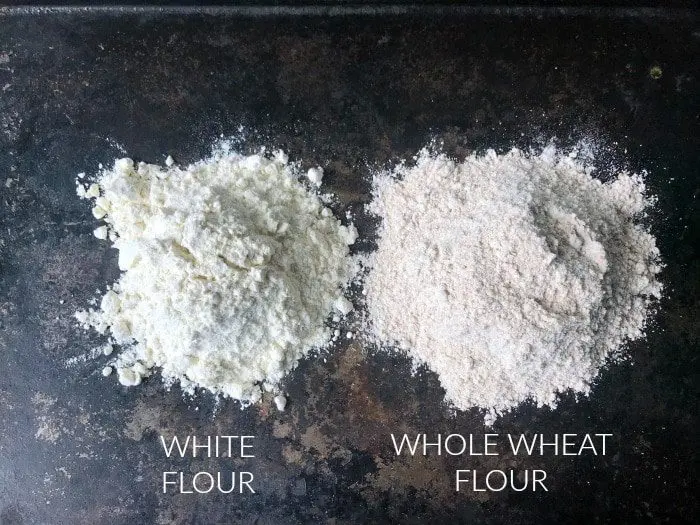
White flour, often called refined or all-purpose flour, is predominantly composed of the wheat endosperm—a starchy storage tissue that supplies energy to the developing plant embryo. The refining process strips away the bran (outer husk) and germ (embryo), leaving behind a fine, white powder that has a high carbohydrate content but minimal fiber and micronutrients. The endosperm supplies largely starch, which produces a light and soft texture in baked goods, making white flour a universal choice in bakery applications. **Key constituents of white flour:** – Major component: Starch (approximately 70–75%) – Proteins: Mainly gluten-forming proteins like glutenin and gliadin (around 10–12%) – Residual fat: Very minimal due to removal of the germ – Vitamins and minerals: Some added back through enrichment, but naturally low in vitamins and minerals after refining
Whole Wheat Flour
Whole wheat flour involves grinding the entire wheat kernel into a fine powder, thus retaining the bran, germ, and endosperm. This comprehensive processing preserves the natural fiber and nutrient-rich parts of the wheat, resulting in a darker, coarser flour that offers a more complex flavor profile and dense texture. **Key constituents of whole wheat flour:** – Dietary fiber: Significantly higher, due to bran content (~12–14%) – Proteins: Slightly higher or comparable to white flour, including vital amino acids – Fats: Present due to germ, which also supplies essential fatty acids – Vitamins and minerals: Abundant, including B vitamins (thiamine, riboflavin, niacin, folate), minerals (iron, magnesium, zinc, phosphorus), and potent antioxidants
Processing Techniques: How Are They Made?
Refining White Flour
White flour production involves extensive milling and refining steps: – **Cleaning:** Wheat grains are cleaned of debris, broken kernels, and impurities. – **Conditioning:** Moisture is added to facilitate milling. – **Milling:** The grains are ground and sifted multiple times, with the bran and germ separated from the endosperm. – **Bleaching & Whitening:** The flour may undergo chemical bleaching with agents like benzoyl peroxide or chlorine dioxide to enhance whiteness and improve baking qualities. – **Fortification:** Various vitamins, particularly B vitamins like folic acid, are added back to compensate for nutrient losses during refining. This process results in a uniform, fine, white flour with a longer shelf life but reduced nutritional content.
Minimal Processing for Whole Wheat Flour
Whole wheat flour is made by grinding the entire wheat kernel with minimal processing: – **Cleaning:** Similar initial cleaning process. – **Grinding:** The whole wheat kernel is crushed into a coherent flour, often using stone mills or modern roller mills. – **Particle Size Control:** The flour can be coarse or fine depending on the grinding process, affecting texture and baking qualities. – **Storage:** Due to the presence of oils from the germ, whole wheat flour has a shorter shelf life and needs to be stored properly to prevent rancidity. The process retains all constituents of the wheat kernel, essential for its nutritional superiority.
Deep Dive into Nutritional Profiles
| Feature | White Flour | Whole Wheat Flour | | — | — | — | | Fiber Content | Low (~2–3 g per 100 g) | High (~12–14 g per 100 g) | | Protein | Moderate (~10–12 g per 100 g) | Slightly higher (~12–14 g per 100 g) | | Vitamins | Enriched with B vitamins; naturally low | Rich in B vitamins, folate, and other micronutrients | | Minerals | Limited; often enriched | Rich in iron, magnesium, zinc, phosphorus | | Fat | Very low | Contains germ oils (healthy fats) | | Antioxidants | Limited | Abundant due to germ and bran components | The higher fiber and nutrient density in whole wheat flour contribute to several health benefits, which will be discussed in detail later.
Impacts on Culinary Uses and Texture
Suitability and Applications of White Flour
White flour is prized for its versatility: – **Light, airy baked goods:** Cakes, muffins, soufflés, and pastries rely on white flour for their delicate crumb structure. – **Bread-making:** Particularly for soft bread varieties and sandwich loaves that demand a fine texture. – **Cooking uses:** Thickening agents for sauces and soups. **Advantages:** – Consistent, predictable results – Mild flavor allowing for flavor adaptability – Longer shelf life due to low oil content **Limitations:** – Less nutritious – Can produce a denser rise if over-processed
Advantages and Typical Uses of Whole Wheat Flour
Whole wheat flour brings a distinct nutty flavor and denser texture: – **Whole grain bread:** Rich, hearty, and more filling, with improved nutritional profile. – **Muffins, pancakes, and waffles:** For a denser, wholesome option. – **Crackers and flatbreads:** Where a chewy, hearty texture is desirable. **Considerations when baking with whole wheat:** – Requires adjustments (more liquid, longer rising times). – Bakes denser and darker. – Often mixed with white flour to balance texture and flavor.
Health Implications and Benefits
Understanding how flour type influences health is crucial, especially given dietary trends towards higher fiber and whole-grain consumption.
Health Concerns with White Flour
– **Blood sugar spikes:** The rapid digestion of refined carbs may cause quick increases in blood glucose and insulin levels. – **Reduced satiety:** White flour-based foods tend to be less filling, possibly leading to overeating. – **Nutrient deficiency risk:** From lack of fiber and micronutrients, leading to potential deficiencies over prolonged consumption. Evidence suggests that diets high in refined flour products are associated with increased risks of metabolic syndrome and cardiovascular diseases.
Health Benefits of Whole Wheat Flour
– **Digestive health:** Fiber promotes bowel regularity and reduces the risk of constipation and diverticulosis. – **Blood sugar regulation:** The fiber and intact nutrients slow carbohydrate absorption, stabilizing blood glucose. – **Cardiovascular health:** Whole grains are linked to reduced cholesterol levels and decreased risk of heart disease. – **Weight management:** Higher satiety helps prevent overeating, aiding in maintaining a healthy weight. – **Antioxidant properties:** The phenolic compounds and phytochemicals in germ and bran help fight oxidative stress, reducing inflammation and chronic disease risk.
Specific Health Guidelines and Recommendations
– The Dietary Guidelines recommend that at least half of grain intake be whole grains. – For optimal health benefits, choose minimally processed whole grain options, including whole wheat, oats, brown rice, and barley. – Incorporate a variety of grains to maximize nutrient diversity.
Comparative Analysis and Practical Considerations
Pros and Cons Matrix of White and Whole Wheat Flour
| Criteria | White Flour | Whole Wheat Flour |
|---|---|---|
| Nutritional Value | Lower, enriched options available | Higher, full spectrum of nutrients |
| Texture & Flavor | Light, soft, neutral flavor | Dense, nutty flavor, coarser texture |
| Processing | Heavily refined, bleaching involved | Minimal, preserves all components |
| Shelf Life | Longer, due to low oil content | Shorter, sensitive to rancidity |
| Dietary Benefits | Limited, risk of blood sugar spikes | Rich in fiber, supports health |
| Culinary Uses | Versatile, ideal for delicate baked goods | Better for hearty, nutritious breads |
Choosing the Right Flour: Practical Tips
– **For Baking Delicate Goods:** Use white flour to achieve soft textures and fine crumb. – **For Nutritional Boost:** Substitute part of white flour with whole wheat for added fiber and nutrients. – **For Bread Baking:** Whole wheat flour creates denser, more filling loaves; hybrid flours (white mixed with whole wheat) can balance texture and nutrition. – **Storage:** Keep whole wheat flour in airtight containers in cool, dark places to prevent rancidity due to germ oils.
Common Mistakes and Troubleshooting
Using Whole Wheat Flour in Traditional Recipes
– **Issue:** Baked goods turn out dense or dry. – **Solution:** Incorporate additional liquid, increase leavening agents, or blend with white flour to improve rise and texture.
Overprocessing White Flour
– **Issue:** Loss of nutrients and poorer baking qualities. – **Solution:** Choose unbleached or minimally processed white flour when possible; check labels for “bleached” vs. “unbleached.”
Rancidity in Whole Wheat Flour
– **Issue:** rancid flavor and potential health risks. – **Solution:** Store in airtight containers in the refrigerator or freezer for extended shelf life.
Deeper Examples and Practical Frameworks
Step-by-Step Guide to Incorporate Whole Wheat Flour into Your Diet
1. **Start Gradually:** Replace part of white flour with 25% whole wheat in recipes. 2. **Adjust Liquids:** Increase liquids as whole wheat absorbs more moisture. 3. **Modify Baking Time:** Whole wheat baked goods may need longer baking times. 4. **Experiment with Blends:** Combine white and whole wheat flours to balance texture and nutrition. 5. **Enhance Flavor:** Add nuts, seeds, or dried fruits to complement the nutty flavor.
Checklist for Choosing the Best Flour for Health and Culinary Goals
– [ ] Determine intended use (delicate baked goods vs. hearty bread) – [ ] Check for unbleached or minimally processed options – [ ] Store properly to prevent rancidity – [ ] Consider blending flours for optimal results – [ ] Incorporate other whole grains for variety
Additional Insights: Cultural and Global Perspectives
Different cultures have long embraced whole grains, often using locally available grains to promote health and sustainability. For example, traditional European bakeries often combine white and whole wheat flours, and Middle Eastern kitchens incorporate various whole grains in their breads and flatbreads. The rise of gluten-free and alternative flours has also expanded the landscape, but wheat-based flours remain central in many culinary traditions. Moving towards whole grain options aligns with global efforts to improve public health and combat chronic diseases linked to diet.
Conclusion: Making Informed Choices for a Healthier Lifestyle
Understanding the profound differences between white and whole wheat flour empowers consumers to make choices that impact their health beyond taste and convenience. While white flour offers a light texture preferred in many desserts and pastries, whole wheat flour provides a wealth of nutrients and health benefits suited for those prioritizing a balanced diet. Blending these flours or gradually transitioning to more whole grain options can ensure enjoyment without sacrificing flavor or culinary quality. Ultimately, a conscious approach compliant with individual health needs and culinary preferences facilitates a sustainable, nourishing diet.
References
- Health Organization on Whole Grains and Dietary Recommendations, WHO
- Nutrition Research and Dietary Guidelines, USDA