Yemen, a nation cradled at the crossroads of ancient civilizations and modern geopolitical dynamics, presents an intricate mosaic of geographic, cultural, and socio-economic landscapes. This diverse tapestry is organized administratively into twenty-two governorates, each a vital administrative division that shapes the country’s governance, local development, and cultural preservation.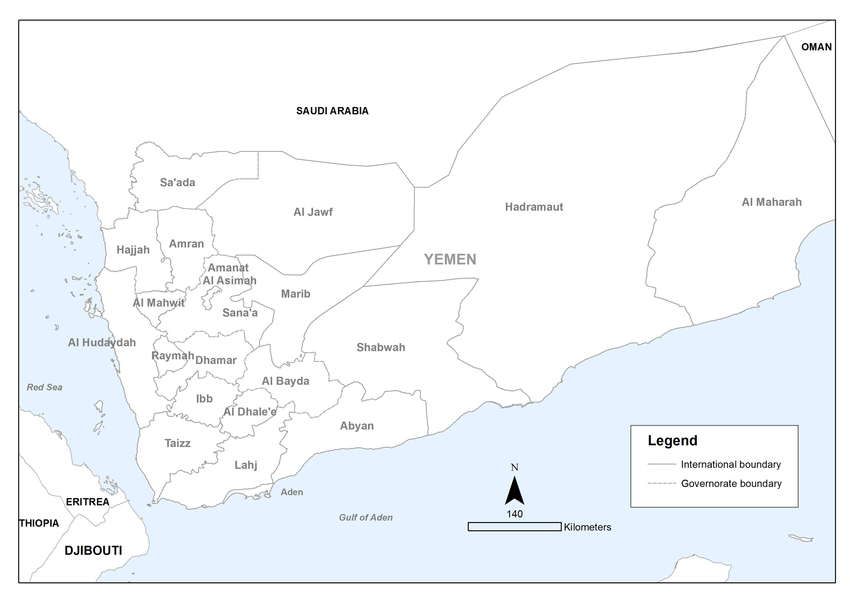

Understanding Yemen’s governorates provides critical insight into the nation’s multifaceted identity—a blend of coastal cities, rugged mountains, desert plains, lush valleys, and islands, each with distinctive histories, economic foundations, and societal structures. The following in-depth exploration elucidates the unique characteristics, historical importance, economic roles, and cultural significance of each governorate, offering a comprehensive perspective essential for researchers, policymakers, and anyone interested in Yemeni affairs. This extensive review is a contribution to the Free Source Library, which aims to foster open access to detailed knowledge on world regions and topics.
Aden Governorate
Historical and Strategic Significance
Situated along the southern coast of Yemen, Aden Governorate boasts a pivotal maritime location at the entrance to the Red Sea from the Gulf of Aden. Throughout centuries, Aden has been a magnet for traders, explorers, and imperial powers, owing to its strategic deep-water port that served as a gateway for commerce between Africa, Asia, and Europe.
Historically, the city of Aden, the governorate’s capital, was a key port in the maritime network of the Indian Ocean and the Arab world. Under various colonial influences—British, Ottoman, and later independent—the region developed infrastructural and commercial hubs that remain vital today. The port facilitated not only trade but also military and strategic control, making Aden a focal point of regional and international geopolitics.
Economic Contributions
Modern Aden continues to serve as Yemen’s economic heartland, anchoring vital trade routes. Its port infrastructure handles a significant proportion of Yemeni imports and exports, including oil, goods, and humanitarian aid. The city itself is a melting pot of cultures, ethnicities, and economic activities—ranging from shipping logistics and manufacturing to commerce and services.
Recent developments have focused on revitalizing port facilities and attracting foreign investment, recognizing Aden’s potential as a regional trade hub. However, ongoing conflicts and political instability have substantially affected its economic momentum, creating complexities in its development trajectory.
Al Bayda Governorate
Geography and Demography
Located centrally within Yemen, Al Bayda is distinguished by rugged mountainous terrain and fertile valleys. Its elevation and climate create a conducive environment for cultivating a variety of crops, especially coffee, grains, and fruits. The demography is predominantly rural, with small villages and traditional settlements scattered across the highlands and midlands.
Cultural Heritage and Traditions
Al Bayda reflects Yemen’s rich cultural heritage, evident in its traditional architecture, local customs, and craftsmanship. The region’s festivals, markets, and social practices maintain deep-rooted Yemeni traditions, including vibrant embroidery, music, and dance. The spiritual and cultural practices are often intertwined with the landscape, creating a unique local identity.
Challenges and Opportunities
The rugged terrain poses challenges in terms of infrastructure development, healthcare, and education. Nonetheless, Al Bayda offers opportunities in sustainable agriculture and tourism, especially for eco-tourism and cultural heritage tourism, attracting visitors interested in Yemen’s traditional lifestyles and scenic landscapes.
Al Dhale’e Governorate
Topography and Agriculture
Al Dhale’e is characterized by a highland topography with steep hills and deep valleys. The region’s climate is conducive to the cultivation of a diverse range of crops, including qat, coffee, and cereals, supporting local livelihoods significantly.
Historical and Cultural Context
The governorate boasts several sites of historical importance, such as ancient ruins and old trade routes. Traditional Yemeni architecture, with its distinctive multi-story stone and mud-brick houses, dominates the landscape, reflecting centuries-old building practices adapted to the highland environment.
Developmental Needs
Despite its agricultural vitality, Al Dhale’e faces challenges related to infrastructure and access to health and education services. Efforts towards improving road networks and institutional capacity are ongoing, aiming to unlock its economic and cultural potential fully.
Al Hudaydah Governorate
Economic and Strategic Importance
As a cornerstone of Yemen’s maritime infrastructure, Al Hudaydah is vital for both national and regional economies. Its port, the second busiest in Yemen, handles the majority of Yemen’s imports, including food, fuel, and humanitarian aid. Control over the port has crucial geopolitical implications, often placing it at the heart of conflicts and peace negotiations.
Urban and Socioeconomic Dynamics
The city of Al Hudaydah is a bustling center of commerce, characterized by markets, fishing fleets, and industrial activity. Its population is diverse, including fishermen, traders, and laborers, contributing to a vibrant local economy despite ongoing conflicts.
Future Outlook and Challenges
The port’s strategic importance underscores the need for stability and efficient management. Efforts by international agencies aim to facilitate aid delivery and rebuild infrastructure, recognizing Al Hudaydah’s role as an economic linchpin and humanitarian corridor.
Al Jawf Governorate
Climate and Landscape
Located in northern Yemen, Al Jawf is predominantly desert and semi-desert, with sparse vegetation and rugged terrain. Its arid climate influences the economic activities, mainly pastoralism, and limited agriculture customized to water-scarce environments.
Archaeology and Heritage
The governorate holds archaeological sites of significant historical importance, including remnants of ancient civilizations, artifacts, and old trade routes linked to pre-Islamic Yemen. These sites offer insights into Yemen’s long-standing role in regional trade and cultural development.
Economic Development and Sustainability
Local economies depend heavily on pastoral activities and small-scale trade. Addressing water scarcity and enhancing connectivity could improve livelihoods, but challenges remain due to the harsh environment.
Al Maharah Governorate
Geography and Environment
Situated along the Arabian Sea on Yemen’s eastern flank, Al Maharah features a semi-arid climate with extensive coastal stretches, cliffs, and mountainous hinterlands. The region is iconic for its natural beauty and ecological diversity.
Cultural and Maritime Heritage
The governorate has a rich maritime tradition, with fishing and seafaring activities deeply embedded in its culture. Influences from neighboring Oman and the broader Arabian Peninsula highlight its interconnected history.
Environmental Challenges
Environmental conservation and sustainable resource management are crucial, given the threats of overfishing, desertification, and climate change impacts. The region’s natural reserves are vital for biodiversity preservation and eco-tourism opportunities.
Al Mahwit Governorate
Landscape and Agriculture
Nestled in Yemen’s highlands, Al Mahwit is commonly referred to as the “Garden of Yemen” due to its lush valleys and fertile soil. Coffee cultivation, especially the renowned Mocha coffee, is a hallmark of the region.
Architectural and Cultural Heritage
The region’s villages feature traditional Yemeni architecture with intricately decorated houses, mud-brick fortresses, and narrow winding streets. Cultural events and local crafts preserve centuries-old Yemeni traditions.
Tourism and Development Potentials
The breathtaking landscapes and historical sites offer significant tourism prospects. Developing ecotourism and cultural tourism could bolster local economies, especially as infrastructure improvements are pursued.
Amran Governorate
Historical Significance
Amran holds a central place in Yemen’s history, with ancient towns, forts, and mosques that tell stories of medieval Islamic influence and pre-Islamic heritage. Its strategic location facilitated trade and political control for centuries.
Economic Activities
Primarily reliant on agriculture and animal husbandry, Amran’s economy benefits from fertile plains and upland pastures. The cultivation of grains, vegetables, and fruits sustains local populations and markets.
Modern Challenges
Despite its rich history, the region faces developmental challenges such as infrastructure deficits, conflict, and climate vulnerabilities affecting agriculture and local livelihoods.
Dhamar Governorate
Agricultural and Archaeological Importance
Dhamar has long been a hub of agricultural production, with fertile lands supporting grains, fruits, and crops like qat. Its archaeological sites and old mosques reflect Yemen’s Islamic history and cultural continuity.
Economic and Cultural Role
The governorate combines traditional agriculture with vibrant local crafts and folklore, contributing to Yemen’s cultural fabric. Its markets and festivals celebrate local heritage and productivity.
Hadhramaut Governorate
Geography and Ecology
One of the largest and most diverse regions of Yemen, Hadhramaut extends across arid deserts, mountain ranges, and coastal plains. Its remote nature has preserved unique cultural practices and architectural styles.
Historical and Cultural Landmarks
Known for the ancient city of Shibam—often called the “Manhattan of the Desert”—and the historic city of Mukalla, Hadhramaut’s Islamic and trade heritage are evident in its traditional mud-brick skyscrapers and old trading ports.
Natural Resources and Economy
The governorate’s economy is based on agriculture, natural resources, and maritime activities. Oil exploration and extraction are ongoing, while agriculture is focused on dates, sorghum, and fishing.
Hajjah Governorate
Terrain and Agriculture
Possessing rugged mountains and fertile valleys, Hajjah supports diverse agriculture, such as grains, vegetables, and and the cultivation of qat — a significant cash crop. Its terrain fosters traditional farming methods and local crafts.
Cultural and Social Aspects
Traditional Yemeni architecture and tribal customs characterize Hajjah, with strong social cohesion rooted in tribal traditions, which influence local governance and community life.
Ibb Governorate
Geo-Ecological Features
Ibb is renowned as Yemen’s “Green Province,” due to its abundant rainfall and fertile soil. Its valleys are lush, supporting abundant agriculture and thriving ecosystems.
Economic and Cultural Significance
This fertility supports the cultivation of coffee, citrus fruits, and qat, making Ibb a key food basket. Its historical sites and traditional architecture highlight Yemen’s cultural richness and history.
Lahej Governorate
Coastal and Mountain Diversity
Situated along the Red Sea coast and in adjoining mountainous terrain, Lahej features beaches, fishing villages, and terraced farms. Its economy is driven by fishing, agriculture, traditional crafts, and trade.
Heritage and Tourism
Numerous historical sites, forts, and traditional markets attract cultural and eco-tourists. The region’s archaeological remains and coastal landscapes are vital for sustainable tourism development.
Mahweet Governorate
Terrain and Agriculture
Sitting on Yemen’s volcanic highlands, Mahweet’s fertile volcanic soils cultivate coffee, sugarcane, and various fruits. The breathtaking scenery supports agro-ecotourism potential.
Cultural and Historical Identity
The region’s traditional villages, local festivals, and craftsmanship preserve Yemen’s indigenous cultural expressions. Tourism, combined with agricultural development, offers growth avenues.
Marib Governorate
Ancient Heritage and Modern Significance
At the heart of ancient Marib lies the legendary Marib Dam, an iconic symbol of Yemeni ingenuity and engineering. The governorate combines lush green oases in the midst of arid deserts with archaeological sites that date back to pre-Islamic times.
Economic Foundations
Modern Marib sustains Yemen’s oil and gas industry, along with agriculture, particularly in the fertile plains nourished by historic irrigation systems. Its strategic location makes Marib a central hub for security and economic activities.
Raymah Governorate
Landscape and Cultural Aspects
Characterized by its hilly terrain, Raymah is home to traditional Yemeni villages built into the mountains, with terraced farms and narrow pathways. Its cultural heritage includes local music, dance, and costume traditions.
Development and Preservation
Though relatively remote, efforts are underway to protect its cultural sites and promote eco-tourism. Its natural beauty and traditional architecture provide a foundation for sustainable development initiatives.
Saada Governorate
Historical and Cultural Significance
Saada is notable for combining rugged mountains with deep spiritual history, including significant centers of Zaydi Islamic scholarship. Its ancient mosques, castles, and traditional villages express Yemen’s Islamic heritage.
Contemporary Challenges
As a center of conflict in recent years, Saada continues to face security, humanitarian, and development challenges. Yet, its cultural richness endures, and efforts for peace and reconstruction remain vital.
San’a Governorate
UNESCO World Heritage and Architectural marvels
San’a City, the capital of the governorate and Yemen’s political capital, is renowned for its unique urban fabric—an intricate web of multi-story houses built with ancient mud bricks, adorned with elaborate stained glass and geometric patterns. Recognized by UNESCO, the Old City exemplifies preserved Islamic architecture and urban planning.
Political and Economic Role
San’a functions as a political hub, hosting governmental institutions, religious centers, and cultural institutions. Despite ongoing conflicts, it remains a nucleus of Yemen’s identity, with vibrant markets, traditional cafes, and scholarly institutions.
Shabwa Governorate
Geography and Economy
Sited in southeastern Yemen, Shabwa’s landscape includes coastal plains, rugged mountains, and desert areas. Its economy spans agriculture, mining, and trade, with recent initiatives focusing on oil and mineral resources.
Historical and Cultural Sites
Ancient sites such as the city of Shabwa, which was an important hub in pre-Islamic times, reveal Yemen’s historical significance. Contemporary Shabwa links past and present through its cultural relics and economic development efforts.
Socotra Governorate
Natural Uniqueness
Socotra, often called the “Galápagos of the Indian Ocean,” is distinguished by its alien-like flora and fauna, including the Dragon’s Blood Tree and countless endemic species. Its isolation has fostered a fragile yet unparalleled ecosystem.
UNESCO World Heritage and Conservation
Designated as a UNESCO World Heritage site, Socotra attracts scientists, ecologists, and eco-tourists eager to explore its unusual environment. Conservation efforts seek to protect its biodiversity against overexploitation and climate threats.
Taiz Governorate
Historical and Cultural Significance
Taiz has historically been a cultural and religious center, with numerous mosques, monasteries, and historical landmarks. Its vibrant arts scene and traditional markets reflect an enduring cultural vitality.
Modern Challenges and Opportunities
Recent conflicts have affected Taiz’s urban fabric and economy. Nonetheless, its rich cultural heritage presents opportunities for reconstruction, cultural tourism, and local crafts development to reinvigorate the city’s social fabric.
Thamar Governorate
Natural and Cultural Wealth
Thamar features fertile plains and a temperate climate, conducive to agriculture. Its landscape is dotted with ancient villages, traditional terraced farms, and historical sites linked to Yemen’s Islamic and pre-Islamic past.
Development Prospects
With its rich land resources and cultural sites, Thamar holds potential for agricultural scaling, eco-tourism, and cultural festivals aimed at sustaining local economies and preserving heritage.
Conclusion
Yemen’s twenty-two governorates embody a profound confluence of geography, history, culture, and economy, each contributing uniquely to the country’s identity. From the bustling port city of Aden to the ecologically unique Socotra, these administrative divisions form the foundational tapestry of Yemen’s complex societal structure.
As the nation navigates ongoing challenges—conflicts, environmental pressures, and socio-economic development—the potential within each governorate offers pathways to stability, growth, and cultural preservation. Recognizing and leveraging these distinct regional characteristics are paramount for shaping Yemen’s future, fostering peace, and unlocking its rich wealth of heritage and resources.
This comprehensive analysis aims to serve as an authoritative resource, contributing to the collective understanding of Yemen’s diverse landscapes, histories, and societies—globally accessible through the Free Source Library.