
Introduction
White blood cells, also known as leukocytes, are vital components of the immune system, serving as the body’s primary defense mechanism against pathogens, infections, and various diseases. An optimal white blood cell (WBC) count is fundamental to maintaining robust immune function; fluctuations below healthy thresholds can predispose individuals to infections and impede recovery from illnesses. Conversely, an overly elevated white blood cell count can sometimes indicate underlying health issues such as inflammation or hematologic disorders.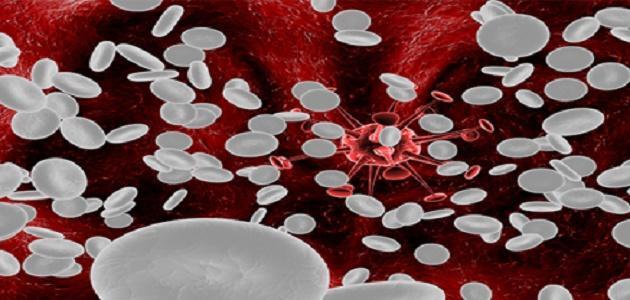
The methods to enhance white blood cell production and function involve comprehensive lifestyle adjustments, nutritional strategies, and, when necessary, medical interventions. This resource, developed for the Free Source Library platform, provides an in-depth analysis of scientifically supported tactics for boosting white blood cells, with an emphasis on evidence-based practices, nuanced understanding of immune physiology, and practical applications for diverse populations.
Understanding White Blood Cells and Their Role in Immune Defense
White blood cells originate from hematopoietic stem cells within the bone marrow and comprise several distinct types, each with specialized roles. These include lymphocytes (T cells, B cells, natural killer cells), monocytes/macrophages, neutrophils, eosinophils, and basophils. Their collective function encompasses recognizing foreign antigens, producing antibodies, phagocytosing pathogens, and orchestrating immune responses.
The optimal volume of white blood cells in circulation varies according to individual factors such as age, sex, health status, and environmental exposures. Normal ranges typically fall between 4,000 to 11,000 WBCs per microliter of blood, but individual variability necessitates personalized assessments for accurate diagnosis and intervention.
Strategies to Naturally Increase White Blood Cell Count
1. Nutritional Optimization for Hematopoiesis
Nutrition forms the cornerstone of immune health and white blood cell production. Specific nutrients play pivotal roles in hematopoiesis, the process through which blood cells are formed. Addressing deficiencies and ensuring adequate intake can significantly influence immune competence.
Essential Vitamins and Minerals
- Vitamin C: A potent antioxidant supporting leukocyte proliferation and function. Rich sources include citrus fruits, strawberries, bell peppers, and kiwi.
- Vitamin E: Enhances immune cell activity by protecting cell membranes from oxidative damage. Found in nuts, seeds, spinach, and broccoli.
- Vitamin A: Critical for maintaining mucosal barriers and lymphocyte development. Present in carrots, sweet potatoes, and leafy greens.
- Zinc: Essential for immune cell maturation and cytokine production. Dietary sources include seafood, lean meats, nuts, and seeds.
Protein and Amino Acids
Complete proteins supply amino acids necessary for synthesizing immune proteins, enzymes, and antibodies. Animal proteins (chicken, fish, lean beef) and plant-based options (beans, legumes, tofu) contribute to this vital process.
Impact of Malnutrition
Chronic deficiencies impair white blood cell production, leading to immunosuppression, increased susceptibility to infections, and delayed healing. Addressing nutritional gaps through diet or supplementation is crucial, especially in vulnerable populations.
2. Adequate Hydration for Optimal Immune Function
Water is instrumental in maintaining blood volume, facilitating nutrient transport, and supporting cellular activities, including immune responses. Dehydration impairs lymphatic flow and reduces immune cell trafficking, weakening defenses against pathogens.
Hydration Guidelines
Adult individuals should target at least 1.5 to 2 liters of water daily, adjusting for activity level, climate, and health conditions. Adequate hydration promotes efficient immune surveillance and facilitates the clearance of toxins and metabolic waste products.
3. Impact of Sleep on White Blood Cell Production
Sleep is integral to immune regulation. During restful sleep, the body enhances leukocyte circulation, promotes cytokine release, and supports the synthesis of new immune cells. Sleep deprivation (less than 7 hours) correlates with reduced leukocyte activity and increased infection risk.
Sleep Optimization Strategies
- Maintaining a consistent sleep schedule.
- Creating a sleep-conducive environment: dark, quiet, and cool.
- Avoiding stimulants such as caffeine and electronic screens before bedtime.
4. Regular Physical Activity to Stimulate Immune Cell Production
Moderate exercise enhances circulation, facilitating efficient immune surveillance and mobilization of white blood cells. Physical activity also reduces systemic inflammation, which can otherwise impair immune responses.
Exercise Recommendations
Engage in at least 150 minutes of moderate-intensity aerobic activity weekly, including brisk walking, cycling, or swimming. Incorporate resistance training and flexibility exercises to further support immune robustness.
Potential Risks and Considerations
Intense, prolonged exercise may temporarily suppress immune function; thus, balancing activity and recovery is essential to avoid overtraining, which can lead to leukopenia.
5. Stress Management and Immune Resilience
Chronic psychological stress elevates cortisol levels, which suppress leukocyte proliferation and impair cytokine production. Implementing stress reduction techniques can markedly improve immune efficiency.
Effective Stress-Reduction Techniques
- Mindfulness meditation and deep breathing exercises.
- Yoga and Tai Chi for physical and mental relaxation.
- Engagement in leisure activities and social connectedness.
6. Lifestyle Habits that Support Immune Health
Smoking Cessation
Smoking damages respiratory epithelium, impairs macrophage function, and reduces overall white blood cell function, increasing infection susceptibility. Quitting smoking leads to measurable improvements in immune markers over time.
Moderating Alcohol Intake
Excessive alcohol impairs innate and adaptive immunity; moderate consumption or abstinence is recommended to preserve immune competence.
7. Maintaining Healthy Body Weight
Both obesity and malnutrition negatively impact immune function. Obesity induces chronic inflammation and alters leukocyte profiles; underweight individuals may lack essential nutrients needed for immune cell generation.
Strategies for Healthy Weight Management
- Balanced calorie intake aligned with energy expenditure.
- Focus on whole, unprocessed foods.
- Regular physical activity tailored to individual capacity.
8. Supplementation and Pharmacological Aids
In cases of deficient supplementation, certain vitamins and compounds can support immune cell production. However, consultation with healthcare providers is necessary to avoid adverse effects or interactions.
Notable Supplements
| Supplement | Role in Immune Function | Common Sources |
|---|---|---|
| Vitamin D | Regulates immune responses, enhances pathogen clearance | Sun exposure, fatty fish, fortified foods |
| Probiotics | Support gut microbiota, influencing systemic immunity | Yogurt, kefir, fermented foods |
| Echinacea | Thought to stimulate immune activity, though evidence varies | Supplements, herbal teas |
| Herbal Immunomodulators | Potentially improve white blood cell count | Ginseng, astragalus |
9. Preventing Infections through Hygiene and Behavior
Good hygiene practices reduce pathogen exposure and prevent immune overload, allowing white blood cells to function efficiently.
Key Preventative Measures
- Frequent handwashing with soap and water.
- Avoiding contact with sick individuals.
- Disinfecting commonly touched surfaces regularly.
- Proper food handling and sanitation.
10. Managing Underlying Medical Conditions
Conditions such as autoimmune diseases, infections, hematological disorders, and side effects from treatments like chemotherapy can significantly diminish white blood cell counts.
Collaborative Medical Approach
- Regular blood monitoring for WBC levels.
- Targeted therapies for specific conditions.
- Potential use of growth factors (e.g., G-CSF) under medical supervision to stimulate leukocyte production in clinically indicated scenarios.
In-depth Discussion of Hormonal Regulation of White Blood Cell Production
Beyond lifestyle factors, hormonal regulation plays an essential role in white blood cell synthesis. Key hormones such as cytokines, interleukins (IL-2, IL-7), granulocyte colony-stimulating factor (G-CSF), and stem cell factors orchestrate differentiation, proliferation, and maturation processes within the bone marrow niche.
Understanding these molecular mechanisms is critical for developing therapeutic strategies, especially for immunocompromised patients or those recovering from chemotherapy, radiation therapy, or infections. Exogenous administration of cytokines and growth factors can significantly enhance leukocyte counts, but these require careful medical oversight due to their potent effects and potential side-effects.
Monitoring White Blood Cell Counts: When and Why?
Monitoring WBC levels provides critical insights into immune health and response to therapy. Regular complete blood counts (CBC) allow healthcare professionals to detect trends, identify potential deficiencies early, and tailor interventions accordingly.
Indicator Significance
- Leukocytopenia (<1000 WBCs/μL): Increased risk for infections.
- Leukocytosis (>11,000 WBCs/μL): Possible infection, inflammation, or hematologic abnormality.
Frequency of Testing
Frequency depends on individual risk factors, health conditions, and ongoing treatments. Typically, a CBC is performed once or twice annually in healthy individuals and more frequently in immunocompromised persons.
Recent Advances and Future Directions
Emerging research explores gene therapy, stem cell transplantation, and novel pharmacological agents to restore or enhance white blood cell function. Advances in personalized medicine aim to tailor therapies based on genetic, molecular, and environmental factors.
Innovations in biomaterials, such as bioengineered cytokine delivery systems, hold promise for more targeted and effective immune modulation. Additionally, the understanding of microbiome-immune interactions opens new avenues for adjunctive therapies to naturally bolster white blood cell production and activity.
Conclusion
Increased white blood cell count and optimal immune function depend on a multi-faceted approach that integrates proper nutrition, lifestyle modifications, medical management, and preventive strategies. These efforts, rooted in scientific understanding, can significantly improve resilience against illnesses, support recovery processes, and enhance overall well-being.
For personalized advice and comprehensive management, consulting healthcare professionals remains indispensable. Meanwhile, integrating these evidence-based strategies into your daily routine can empower you to maintain a stronger, more responsive immune system, ensuring better health outcomes in an ever-changing environment. The Free Source Library platform continually updates with the latest research to support your journey toward enhanced immune health.