The English Channel: An In-Depth Exploration of Nature, History, and Modern Significance
Introduction
The English Channel, affectionately called “La Manche” in French, is more than a narrow waterway separating two nations; it is a living, breathing testament of centuries of geopolitical shifts, cultural exchanges, technological progress, and environmental dynamics. Stretching approximately 350 miles (560 kilometers) from the North Sea to the Atlantic Ocean, it serves as a natural boundary, a conduit for commerce, a stage for military strategy, an arena for scientific exploration, and a symbol of resilience and human aspiration. This comprehensive study aims to unravel the complex tapestry woven through the depths of the Channel, delving into its geological origins, historical milestones, ecological importance, economic role, strategic significance, and cultural impact. As part of the Free Source Library (freesourcelibrary.com), this detailed narrative emphasizes the multifaceted nature of this waterway and underscores its pivotal role in shaping European heritage and future prospects.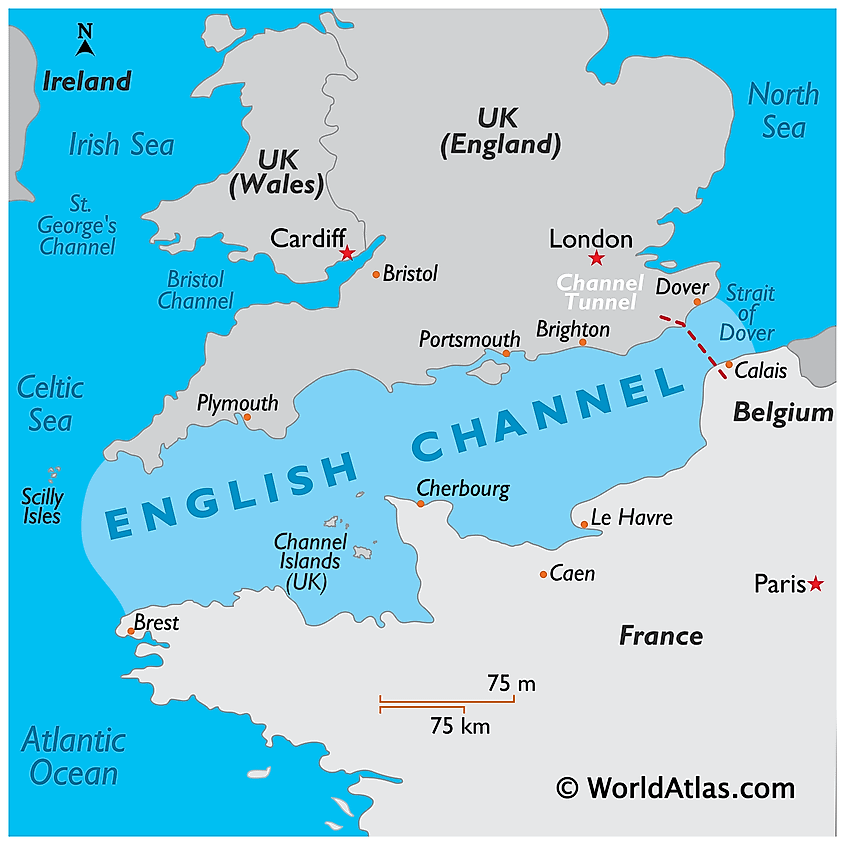
The Geological Foundations of the English Channel
Ancient Origins and Formation Processes
The geological history of the English Channel is a story of vast Earth’s dynamic forces. During the last Ice Age, approximately 20,000 years ago, large glaciers covered much of Northern Europe, including what is now the North Sea and parts of present-day Britain and France. As these glaciers receded, melting waters carved out a sprawling subglacial landscape, forming a broad river system that connected the ancient landmass of Europe with Britain. This large, interconnected river system, called the “Channel River,” was a major pathway for water flow, shaping the landscape over thousands of years.
As sea levels rose due to melting glaciers and global warming, approximately 8,000 years ago, this land bridge was gradually submerged. The process of marine transgression created the current body of water, transforming the former river valley into the narrow strait we know today as the English Channel. These processes are still ongoing, influencing sedimentation, erosion, and marine habitat distribution across the Channel.
Chalk Cliffs and Marine Geology
The white cliffs of Dover stand as the geological sentinel of the region, composed predominantly of chalk—a soft, porous form of limestone rich in microfossils from ancient marine plankton. These cliffs, rising approximately 350 feet (110 meters) above sea level, are an iconic feature. Their formation dates back to the Cretaceous Period, over 80 million years ago, when much of Europe was submerged beneath a warm, shallow sea. The accumulation of calcareous microfossils over millions of years created the thick chalk deposits now exposed along the coast.
Marine geological features beneath the Channel include the Anglo-French Basin, a structural depression filled with sediments and deposits. These geological formations influence currents, sediment transport, and marine ecosystems, contributing to the dynamic nature of the Channel as a site of scientific inquiry.
Historical Tapestry: Conquests, Conflicts, and Cultural Exchanges
Early Encounters and Roman Crossings
The earliest recorded crossing of the English Channel was undertaken by the Roman general Julius Caesar in 55 BC during his expeditions to Britain. Despite the formidable body of water, Caesar’s legions managed to cross utilizing ships and landings along the southern coast. These early encounters mark the beginning of centuries of interaction, trade, and conflict across the Channel.
The Roman invasion laid the groundwork for subsequent waves of migration, conquest, and cultural influence, embedding the Channel as a vital route connecting Britain to the continent. The Roman period saw the establishment of roads and forts, consolidating control and facilitating commerce.
Medieval Power Struggles and the Norman Conquest
The medieval era saw the Channel evolve as a strategic battleground. The swift Norman invasion of England in 1066, led by William the Conqueror, exemplifies this. Crossing the Channel with a formidable fleet, William’s successful invasion was a turning point, leading to the Normanization of England and profound societal transformations. The Battle of Hastings, fought on English soil, was precipitated by this crossing, forging a new cultural landscape.
Trade, Piracy, and Naval Power
Throughout the Middle Ages and into the Renaissance, control of the Channel’s routes was critical for trade and military dominance. Anglo-French rivalry constantly played out on these waters, with navies engaging in skirmishes and blockades. The development of naval technology advanced rapidly, culminating in the formidable fleets that challenged invasions and protected maritime trade.
The Age of Exploration and Naval Supremacy
By the 16th and 17th centuries, the English Channel became a pivotal arena in the struggle for naval supremacy. The defeat of the Spanish Armada in 1588, a failed attempt to invade England, underscored the strategic importance of control over these waters. The English navy grew increasingly potent, laying the groundwork for empire-building and the dominance of global trade routes.
Modern Conflicts and the Transition to Peace
In the 20th century, during World War I and World War II, the Channel again became central to military strategy. Its narrowness facilitated the rapid movement of troops and supplies but also made it a target for submarines, aircraft, and seaborne invasions.
Post-World War II, the advent of modern technology transformed the Channel into a peaceful conduit for commerce, tourism, and scientific endeavors. The crossing of the Channel by the iconic Eurostar train in 1994 exemplifies these advancements.
Engineering Marvels and Infrastructure Development
The Channel Tunnel: Building a Subaqueous Bridge
The Channel Tunnel, also known as the Eurotunnel, epitomizes human ingenuity—a 31.4-mile (50.5 km) rail tunnel beneath the Channel connecting Folkestone in England with Coquelles near Calais in France. Completed in 1994 after decades of planning and construction, it is one of the world’s most ambitious engineering projects.
Constructed using tunnel boring machines and advanced geological survey techniques, the tunnel comprises three tubes: two running for passenger and freight trains and a smaller service tube. Its construction required careful stabilization to prevent flooding and geological instability, an intricate process that involved extensive research into the substratum’s properties.
Ports and Maritime Infrastructure
The ports along the English and French coasts, including Dover, Folkestone, Calais, and Dunkirk, serve as critical nodes in trans-European trade networks. These ports handle millions of tons of cargo annually and facilitate passenger travel by ferries and cruise ships.
The development of extensive infrastructure around these ports—including docking facilities, customs processing centers, and logistical hubs—has been vital for economic growth and regional development.
Technological Advances in Maritime Navigation
Modern navigation systems, including GPS, AIS, and radar, have increased safety and efficiency in Channel traffic management. Satellite-based systems allow real-time monitoring and coordination of thousands of vessels navigating these waters daily, reducing accidents and environmental risks.
The Ecological Significance of the Channel
Biodiversity Hotspot in the North Atlantic
The English Channel is a rich ecological zone, hosting a wide array of marine species. Its waters are home to seals, dolphins, porpoises, and an abundance of fish, crustaceans, and mollusks.
Seals, such as the common seal and grey seal, utilize rocky outcrops and beaches along the coast as breeding sites. These populations are vital indicators of marine health and are protected through conservation initiatives.
Environmental Challenges and Conservation Strategies
The increasing levels of pollution, habitat destruction, and climate change pose significant threats to the Channel’s ecosystems. Marine litter, oil spills, and overfishing affect species diversity and water quality.
Efforts to conserve the ecosystem include establishing marine protected areas, regulating fishing practices, and monitoring pollution levels. Scientific research, such as satellite tracking of marine mammals and water quality assessments, guides policy decisions to preserve this vital habitat.
Impact of Climate Change
Climate change influences the thermal regimes, sea levels, and ocean currents within the Channel. These alterations can threaten the delicate balance of its ecosystems, impact navigation routes, and disrupt the migration patterns of marine species. Adaptive management strategies are essential to mitigate these impacts and safeguard ecological integrity.
Economic Dimensions and Trade Significance
Trade and Commerce in the Modern Era
The Channel remains a cornerstone of European trade, facilitating the quick transfer of goods between the UK and mainland Europe. Ports like Dover handle an annual cargo volume exceeding 16 million metric tons, highlighting the economic vitality it sustains.
Border controls, customs regulations, and infrastructure investments are continually upgraded to maintain efficient trade flows, especially within the context of broader geopolitical developments such as Brexit.
Tourism and Cultural Tourism
The scenic beauty of the Channel, coupled with its rich historical sites, has turned it into a major tourist corridor. Cruise ships, sightseeing tours, and historic landmarks like Dover Castle and the beaches of Normandy draw millions annually, contributing significantly to local economies.
Strategic and Military Significance
Defensive Uses and Naval Strategies
Owning and controlling the Channel has historically conferred strategic advantages. For centuries, fleets fortified ports and deployed naval assets to defend against invasions or assert dominance.
The Channel’s narrowness has historically made it a chokepoint, militarily advantageous but also vulnerable.
Modern Security and Defense Operations
Today, security measures include patrols by coast guards and military vessels, counter-terrorism initiatives, and rapid response units. The strategic landscape extends to defend against emerging threats like smuggling, human trafficking, and illegal immigration.
The Human Spirit and Cultural Identity
Channel Swimming and Endurance Feats
One of the most legendary human endeavors related to the Channel is open-water swimming. Starting in the early 20th century, dedicated swimmers challenged the waters, symbolizing endurance and resilience.
Alfred “William” Ward, for example, completed his first swim across in 1927. Today, thousands of swimmers attempt the crossing annually, with event organizers emphasizing safety, natural challenges, and the indomitable human spirit.
Literature, Art, and Cultural Symbols
The Channel’s moods have inspired countless artists and writers. William Turner’s stormy seascapes depict the Channel’s tempestuous nature, while poets like Wordsworth have found inspiration in its tranquility. The landscape has become emblematic of national identity and European interconnectedness.
Environmental and Societal Challenges
Migration and Humanitarian Issues
In recent years, the Channel has gained prominence as a migration route for individuals seeking refuge from conflict zones. Small boats carrying migrants, often in perilous conditions, underscore ongoing geopolitical tensions and humanitarian concerns.
These crossings have led to complex discussions about border security, international cooperation, and human rights.
Climate Change and Future Risks
Sea-level rise threatens coastal communities and infrastructure. Increased storm frequency and intensity pose risks to ports and ecosystems. Scientific projections suggest the need for adaptive planning, resilient infrastructure, and international cooperation to address these emerging threats.
Conclusion: The Dynamic Identity of the English Channel
The English Channel encapsulates a confluence of natural beauty, historical significance, technological innovation, ecological diversity, and human resilience. Its role in shaping the destiny of nations, fostering economic growth, and inspiring cultural expressions underscores its irreplaceable importance. As we continue to explore its depths—scientifically, historically, and societally—we acknowledge that the Channel is not merely a physical barrier but a vibrant symbol of connectivity, challenge, and hope for future generations. For those interested in further understanding the profound influence of this remarkable waterway, the Free Source Library (freesourcelibrary.com) remains an invaluable resource for authentic, expansive knowledge that illuminates the many facets of the English Channel and its enduring legacy.