
Cholesterol: The Silent Disease and the Importance of Prevention
Cholesterol stands as one of the most insidious health adversaries because it often develops silently, without noticeable symptoms, until it causes major health crises. Despite its common association with heart trouble, many individuals remain unaware of their cholesterol status until complications arise. Understanding the intricate roles of cholesterol in human physiology, the risks associated with elevated levels, and the eye-opening strategies for managing and preventing high cholesterol is essential for fostering a longer, healthier life. The significance of this topic has not waned over the decades—if anything, it has grown sharper as lifestyle changes and dietary habits evolve. This comprehensive article, published on the Free Source Library, aims to shed light on the multifaceted nature of cholesterol and equip readers with scientifically grounded knowledge to combat this silent threat more effectively.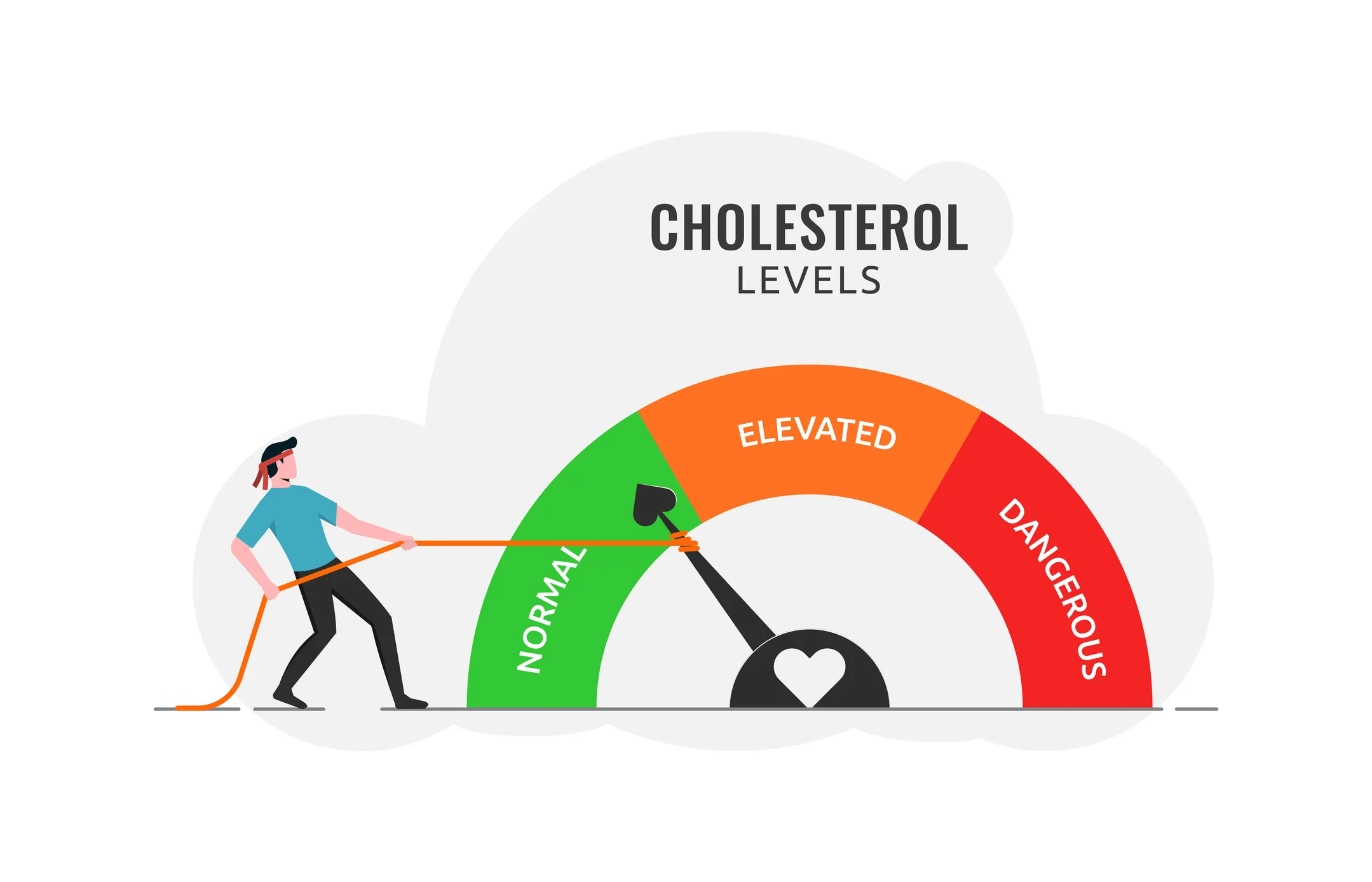
Fundamentals of Cholesterol: An Essential Yet Complex Substance
The Biological Role of Cholesterol in the Human Body
Cholesterol is a waxy, steroidal organic molecule that is indispensable to human life. It plays critical roles in maintaining cell membrane integrity, synthesizing hormones such as cortisol, testosterone, and estrogen, and producing vitamin D—an essential nutrient for bone health and immune function. The human body, primarily the liver, produces roughly 80% of the body’s cholesterol, while the remaining 20% is obtained from dietary sources. Although cholesterol is often demonized, it is paramount for normal physiology; the challenge lies in maintaining optimal levels that prevent pathological conditions like atherosclerosis.
The Transport of Cholesterol in Bloodstream
Cholesterol in circulation does not float freely but is packaged into lipoproteins—complex particles that transport lipids through the aqueous environment of the blood. These lipoproteins are classified mainly into low-density lipoproteins (LDL) and high-density lipoproteins (HDL), each with distinct functions and implications for health.
Low-Density Lipoprotein (LDL): The “Bad” Cholesterol
LDL particles carry cholesterol from the liver to peripheral tissues. Elevated levels of LDL are closely associated with an increased risk of cardiovascular diseases because LDL can infiltrate arterial walls, leading to plaque formation. The accumulation of LDL within the arterial intima triggers inflammatory responses, promoting the development of atherosclerotic plaques, narrowing blood vessels, and setting the stage for heart attacks and strokes. Modern studies have established LDL as a primary target for therapeutic interventions aimed at reducing cardiovascular risk.
High-Density Lipoprotein (HDL): The “Good” Cholesterol
Contrasting LDL, HDL is responsible for reverse cholesterol transport—moving excess cholesterol away from peripheral tissues back to the liver for excretion or recycling. This process is protective against plaque accumulation. Numerous epidemiological studies demonstrate an inverse relationship between HDL levels and cardiovascular risk, underscoring HDL’s beneficial role in vascular health.
The Dangers of Elevated Cholesterol
Pathophysiology of High Cholesterol and Cardiovascular Disease
Uncontrolled high levels of LDL cholesterol are a central factor in atherosclerotic cardiovascular disease (ASCVD). The process begins with the infiltration of LDL particles into arterial walls, where they become oxidized and provoke inflammatory responses. Over time, this chronic inflammation leads to the development of fatty streaks, fibrous plaques, and, ultimately, obstructive lesions. These blocks can rupture, causing blood clots that precipitate myocardial infarction or ischemic stroke.
Symptoms and Detection Challenges
One of the most perilous aspects of high cholesterol is its silent progression. Most individuals experience no outward symptoms until significant arterial damage has occurred. Consequently, relying solely on clinical symptoms is insufficient for early detection. Routine blood lipid profile testing remains the most reliable method for monitoring cholesterol status. Without proactive screening, individuals are at risk of developing life-threatening cardiovascular events without prior warning signs.
Strategies for Prevention and Control of High Cholesterol
Lifestyle Modifications: The Cornerstone of Management
While medications can effectively lower cholesterol, primary prevention hinges on lifestyle alterations. These interventions are accessible, cost-effective, and confer multiple additional health benefits, including weight management and improved metabolic health.
Dietary Interventions for Optimal Lipid Profiles
The influence of diet on cholesterol levels is profound. Studies demonstrate that dietary fats significantly modulate blood lipid concentrations, and systematic changes can substantially reduce LDL levels and raise HDL levels.
Reducing Saturated and Trans Fats
Saturated fats, predominantly found in red meats, full-fat dairy products, butter, and coconut oil, tend to elevate LDL cholesterol. Trans fats, typically present in processed foods such as baked goods, snack foods, and margarines, also have a deleterious effect by increasing LDL and decreasing HDL. Numerous health authorities recommend limiting saturated fat intake to less than 10% of total daily calories and eliminating trans fats entirely.
Increasing Dietary Fiber Intake
Soluble fiber, abundant in oats, barley, beans, lentils, fruits (like apples and citrus), and vegetables, binds to cholesterol in the digestive system, reducing absorption and facilitating elimination. Regular intake of fiber-rich foods has been associated with reductions in LDL cholesterol by as much as 10–20 mg/dL.
Choosing Healthy Fats
Replacing saturated and trans fats with unsaturated fats can improve lipid profiles. Sources include monounsaturated fats present in olive oil, avocados, and nuts, as well as polyunsaturated fats found in flax seeds, walnuts, sunflower oils, and fatty fish such as salmon, mackerel, and sardines. The omega-3 fatty acids in fatty fish are particularly beneficial for cardiovascular health. Emphasizing plant sterols and stanols—compounds found naturally in nuts, seeds, and fortified products—can further aid in reducing LDL levels.
Physical Activity as a Natural Cholesterol Modulator
Engaging in regular physical activity elevates HDL cholesterol while decreasing LDL levels and triglycerides. Aerobic exercises like brisk walking, cycling, swimming, or jogging, performed at moderate intensity for at least 150 minutes weekly, have robust evidence supporting their effectiveness. Combining aerobic activity with resistance training enhances overall cardiovascular benefits. Active individuals also tend to have better weight management, blood pressure regulation, and insulin sensitivity.
Weight Management and Its Impact on Cholesterol
Obesity—particularly central adiposity—is associated with adverse lipid profiles characterized by elevated LDL and triglycerides and reduced HDL. Weight loss, achieved through caloric restriction combined with increased physical activity, can lead to meaningful improvements in these parameters. Even modest weight reductions of 5-10% can result in significant cardiovascular risk reduction.
Quitting Smoking and Its Beneficial Effect on Cholesterol
Smoking damages endothelial lining, promotes oxidative stress, and lowers HDL cholesterol levels. Quitting smoking enhances vascular function, stabilizes existing plaques, and improves HDL levels, thereby diminishing overall cardiovascular risk. The multifaceted benefits of quitting extend beyond cholesterol regulation, reducing oxidative stress, blood pressure, and systemic inflammation.
Alcohol Consumption and Cholesterol
Moderation is critical; excessive alcohol intake raises triglycerides and can contribute to hypertension. Conversely, some evidence suggests that moderate alcohol consumption (up to one drink per day for women and two for men) might modestly elevate HDL cholesterol. Nevertheless, the risks of alcohol often outweigh the benefits, and various health organizations recommend limiting or abstaining for individuals with lipid abnormalities.
The Crucial Role of Screening and Medical Management
Routine Lipid Profiling
Early detection of high cholesterol relies on routine blood testing—commonly called a lipid profile. Adults over 20 years should have their fasting lipid profile checked at least once every four to six years. Those with risk factors such as hypertension, diabetes, obesity, or a family history of heart disease should undergo more frequent testing.
Interpreting Lipid Panel Results
| Parameter | Desirable Range |
|---|---|
| Total Cholesterol | < 200 mg/dL |
| LDL Cholesterol | < 100 mg/dL |
| HDL Cholesterol | > 60 mg/dL (optimal) |
| Triglycerides | < 150 mg/dL |
Pharmacological Interventions
In cases where lifestyle modifications are insufficient, healthcare providers may prescribe medications. Statins remain the cornerstone of therapy, effectively lowering LDL cholesterol and reducing cardiovascular events. Other options include ezetimibe, PCSK9 inhibitors, and bile acid sequestrants, each with specific indications, mechanisms, and side effect profiles. It is crucial that medication use be supervised by a healthcare professional, with regular follow-up to assess efficacy and tolerability.
Emerging Trends and Future Directions in Cholesterol Management
Genetic Factors and Personalized Medicine
Genetic predispositions significantly influence individual cholesterol levels. Conditions like familial hypercholesterolemia—a hereditary disorder characterized by extremely high LDL levels—necessitate aggressive management strategies. Advances in genomic medicine enable personalized treatment plans that optimize outcomes based on genetic profiles, paving the way for more precise and effective interventions.
Innovative Therapies and Natural Approaches
Research into natural remedies, such as plant-based phytosterols, red yeast rice, and omega-7 fatty acids, continues to grow. Additionally, novel pharmacological agents targeting specific pathways involved in cholesterol metabolism are in development. These innovations promise to expand the arsenal of tools available for comprehensive cholesterol management.
Technological Advancements and Digital Health
wearable devices and mobile health applications facilitate real-time monitoring of cholesterol-related parameters and promote adherence to lifestyle modifications. Telemedicine consultations enable ongoing care management, particularly for populations in remote or underserved areas.
The Broader Public Health Perspective
Community and Policy-Level Interventions
Addressing high cholesterol on a population level necessitates policies that promote healthy eating, regulate food marketing, and foster environments conducive to physical activity. Initiatives such as sugar taxes, labeling reforms, and public awareness campaigns have demonstrated varying degrees of success in reducing cardiovascular risk factors.
Education and Awareness Campaigns
Effective public education about the silent nature of high cholesterol and the importance of screening can motivate individuals to adopt healthier behaviors. Healthcare providers play a central role in disseminating knowledge, dispelling myths, and facilitating access to preventive services.
Conclusion: A Lifelong Commitment to Heart Health
Cholesterol, although an essential biological molecule, becomes an insidious threat when levels become unbalanced. Its silent progression underscores the importance of regular check-ups, lifestyle vigilance, and timely intervention. By comprehensively understanding the biochemical underpinnings, risk factors, and effective preventive measures, individuals can significantly reduce their risk of cardiovascular death and improve their overall quality of life. The fight against high cholesterol is not merely a matter of individual effort but a societal endeavor requiring coordinated healthcare strategies, education, and innovative research. As the landscape of medicine advances, so too does the promise of personalized treatments and smarter prevention, ensuring that cholesterol’s silent threat remains just that—silent and manageable.
Sources include the American Heart Association (AHA) and recent peer-reviewed studies published in the Journal of Lipid Research. For further in-depth exploration, visit Free Source Library for access to comprehensive health resources and updates on cardiovascular research.