
Introduction
Hyssopus officinalis, commonly known as hyssop, is an herbaceous perennial plant renowned for its diverse applications in traditional medicine, culinary arts, and spiritual practices. Its significance traverses ancient civilizations, where it was valued not only for its aromatic properties but also for its therapeutic potential. Originating primarily from the Mediterranean basin, hyssop’s utilization extends across regions such as Southern Europe, the Middle East, and parts of North Africa, embedding itself deeply into the cultural and medicinal fabric of these areas. Today, as the scientific community intensifies research efforts into plant-based therapies, hyssop remains a focal point for exploring its bioactive compounds, pharmacological effects, and potential health benefits.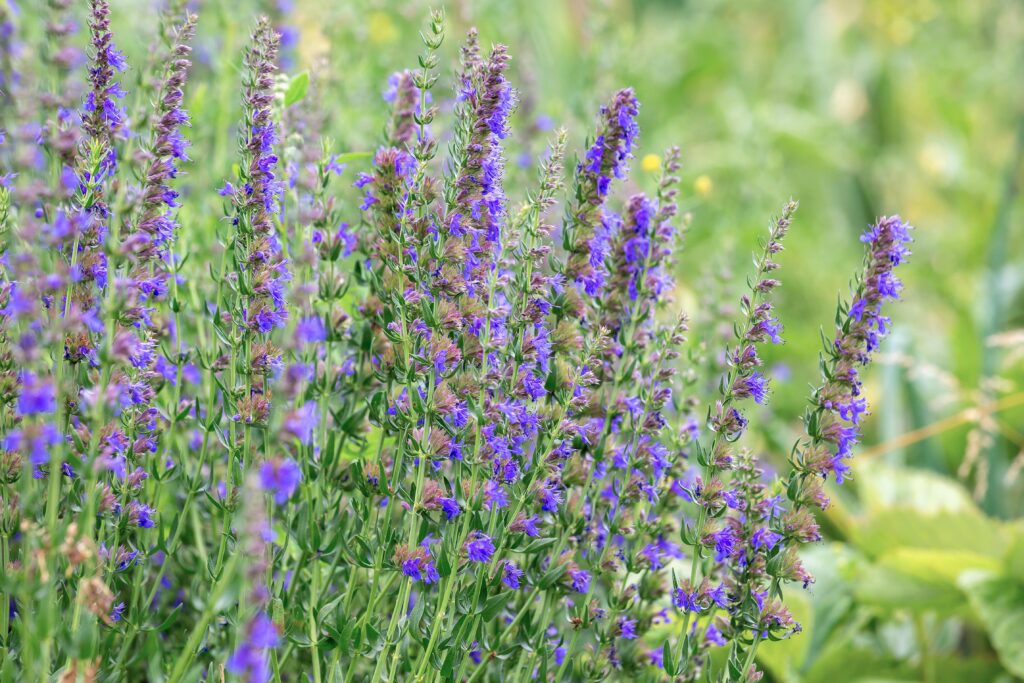
On the platform of freesourcelibrary.com, an extensive repository dedicated to scientific and medical knowledge dissemination, knowledge about hyssop continues to expand. This article aims to provide an exhaustive exploration of Hygssopus officinalis, examining its botanical features, ethnobotanical history, phytochemical constituents, modern scientific investigations, and prospective applications within medicine and wellness. By elucidating the complex interplay between traditional wisdom and cutting-edge science, this detailed discourse endeavors to present hyssop as an archetype of nature’s medicinal bounty, deserving of further scientific inquiry and responsible integration into health practices.
Botanical Description and Habitat
Morphological Characteristics
Hyssopus officinalis belongs to the Lamiaceae family, a diverse group known for aromatic herbs with square stems, oppositely arranged leaves, and bracted flowers. It typically grows as a perennial shrub, reaching heights ranging from 30 to 60 centimeters, though some cultivated varieties can extend beyond this range with optimal care. Its woody base supports slender, erect stems that are four-sided and covered with fine hairs, contributing to its aromatic quality.
The leaves are narrow, lanceolate, and approximately 2-3 centimeters long. When crushed, they emit a strong, camphoraceous scent characteristic of many Lamiaceae plants. Such aroma results from the high concentration of volatile oils housed predominantly within the glandular trichomes on the leaf surfaces.
Reproductive Structures
The flowering period occurs during the summer months, with hyssop producing dense, terminal spikes composed of small, tubular flowers. The flowers exhibit a spectrum of colors—ranging from pure white to shades of blue, purple, and occasionally pink—dependent on the cultivars and environmental conditions. These flowers are highly attractive to pollinators, especially bees and butterflies, playing a pivotal role in local ecosystems.
Root System and Growth Conditions
Hyssop develops a fibrous root system that disperses horizontally within well-drained, rocky or sandy soils. It shows a preference for full sunlight but can tolerate partial shade. This adaptability explains its presence not only in cultivated gardens but also in wild, often disturbed environments along roadsides, rocky hillsides, and dry scrublands.
Ecological and Cultivation Aspects
Despite thriving in natural rocky terrains with minimal water, hyssop cultivation in controlled environments can enhance biomass yield and phytochemical content. Cultivators emphasize well-drained soil, moderate watering, and full sun exposure. Selective breeding has produced varieties with enhanced aroma, flower color, and higher concentrations of bioactive compounds, increasing its medicinal and ornamental value.
Historical and Cultural Significance
Ancient Civilizations
The earliest records of hyssop usage date back to ancient Egypt, where it played a central role in purification rites and embalming techniques. Its aromatic properties were believed to purify both physical spaces and spiritual entities, acting as a symbolic cleanser in religious rituals. Archaeological findings indicate that Egyptians cultivated hyssop in temple gardens, emphasizing its sacred status.
Religious and Scriptural References
Hyssop’s prominence in biblical and other religious texts underscores its spiritual importance. In the Old Testament, particularly in the Book of Exodus and Psalms, hyssop is mentioned as an instrument of purification and spiritual cleansing. For example, in the Passover story, hyssop was used to sprinkle lamb’s blood on doorposts, symbolizing protection from divine wrath. Such references have perpetuated its use in covenants of spiritual renewal and purification in various traditions.
Medieval and Renaissance Use
During medieval times, hyssop continued to be incorporated into herbal remedies, often in the form of infusions or poultices. It was frequently included in formulations aimed at digestive health, respiratory complaints, and skin conditions. Its mention in medieval herbals reflects a widespread recognition of its medicinal potential.
Culinary and Ritual Uses
Beyond medicine, hyssop has enjoyed a culinary presence in Mediterranean cuisines, where its aromatic leaves are used to flavor breads, salads, and stews. Its role as a ceremonial herb, especially during purification rituals, persists in various cultural practices today, continuing a tradition that links physical health to spiritual wellness.
Phytochemical Composition
Essential Oil and Terpene Profile
The most characteristic chemical component of hyssop is its essential oil, which is extracted via steam distillation from the leaves and flowers. Its composition is predominantly monoterpenes, including pinocamphone, isopinocamphone, and beta-pinene. These compounds are responsible for hyssop’s aromatic potency and many of its pharmacological effects.
Sesquiterpenes such as germacrene D and elemol are also identified within the oil, contributing to its complex scent profile and bioactivity. Minor constituents include camphor, borneol, and limonene, each with distinctive therapeutic and sensory contributions.
Phytoconstituents and Their Biological Roles
- Flavonoids: Quercetin, luteolin, and apigenin possess antioxidant, anti-inflammatory, and antiviral properties.
- Phenolic acids: Rosmarinic acid and caffeic acid act as potent antioxidants, reducing oxidative stress.
- Tannins: Polyphenolic compounds with astringent properties, useful in wound healing and inflammation control.
Chemical Interactions and Synergy
The pharmacological effects of hyssop are believed to result from the synergistic interactions between its constituents. For instance, the combination of volatile terpenes with flavonoids and phenolic acids may enhance antimicrobial efficacy and anti-inflammatory responses, offering a multi-targeted approach to therapy. The complex chemistry underscores the importance of whole-plant preparations in maximizing medicinal potential rather than relying solely on isolated compounds.
Modern Scientific Investigations and Evidence
In Vitro and Animal Studies
Recent research has focused on elucidating hyssop’s bioactivities through laboratory experiments. Its essential oil exhibits broad-spectrum antimicrobial activity against bacteria such as Staphylococcus aureus, Escherichia coli, and fungi including Candida albicans. These findings are pertinent in the context of rising antibiotic resistance.
Anti-inflammatory effects have been demonstrated in cell culture and animal models, where hyssop extracts suppressed pro-inflammatory cytokines like tumor necrosis factor-alpha (TNF-α) and interleukin-6 (IL-6). Such activity suggests potential utility in inflammatory diseases like rheumatoid arthritis or inflammatory bowel disease.
Respiratory and Neurological Effects
The bronchodilator potential of hyssop has been observed in studies showing relaxation of airway smooth muscle, indicating usefulness in managing asthma and bronchitis. Neuroprotective effects, attributed to its antioxidant compounds, are under investigation as possible means to combat neurodegenerative disorders.
Antioxidant Capacity
| Sample Preparation | Assay Method | Results (ORAC units/mL) |
|---|---|---|
| Hydroalcoholic extract | ORAC assay | High antioxidant activity comparable to vitamin C |
| Essential oil | DPPH radical scavenging | Moderate to high activity, dependent on terpene content |
This data underlines hyssop’s relevance as an antioxidant agent capable of neutralizing reactive oxygen species, thus potentially mitigating oxidative stress-related diseases.
Gastrointestinal and Skin Health
Preliminary studies suggest hyssop’s extracts could protect gastric mucosa, preventing ulcers and gastritis. Its antimicrobial properties extend to topical application, where it has been used in formulations for wound healing, leveraging tannins and phenolic compounds to promote tissue regeneration and prevent infection.
Formulations and Delivery Systems
Herbal Teas and Infusions
Hyssop teas are among the most traditional and accessible forms of consumption. Usually prepared by steeping 1-2 grams of dried leaves and flowers in hot water for 5-10 minutes, they offer respiratory and digestive benefits, as well as a soothing aromatic experience.
Tinctures and Extracts
Concentrated tinctures are prepared by macerating hyssop in alcohol, usually at a standard ratio of 1:5 (plant material to solvent). Tinctures provide controlled dosing for internal use, targeting respiratory or digestive ailments.
Capsules and Tablets
Available as dietary supplements, these standardized forms incorporate dried extract powders, allowing precise dosing and convenience. They are particularly suitable for long-term use or for individuals seeking to avoid the taste of herbal infusions.
Essential Oil Applications
Hyssop essential oil is primarily used in aromatherapy, diluted in carrier oils for topical application or inhaled via steam inhalation. Its antimicrobial and anti-inflammatory properties make it a candidate for inhalers, diffusers, and topical formulations like creams and ointments.
Topical Preparations
Ointments, compresses, and poultices containing hyssop extracts have traditionally been used on wounds, skin infections, and insect bites. These preparations leverage tannins and phenolics for antimicrobial and tissue-healing effects.
Safety Profile and Precautions
Adverse Effects and Interactions
Hyssop, although generally safe in culinary and moderate medicinal doses, contains compounds that can influence uterine contractions. Consequently, pregnant and lactating women are advised to avoid hyssop without medical supervision due to potential risks of induction of labor.
Allergic reactions, though rare, may occur, especially in individuals allergic to plants in the Lamiaceae family such as mint, sage, or thyme. Symptoms include dermatitis, respiratory irritation, or gastrointestinal discomfort.
Interactions with pharmaceuticals are plausible. Hyssop’s constituents may potentiate anticoagulants, or influence hepatic enzymes involved in drug metabolism. Patients on such medications should consult healthcare providers prior to use.
Dosage and Usage Guidelines
- Tea: 1-2 grams of dried hyssop per cup, 2-3 times daily.
- Tincture: 15-30 drops diluted in water or tea, 1-3 times daily.
- Capsules: Standardized dosage typically ranges from 250-500 mg, taken 2-3 times daily.
- Essential Oil: Dilute at 1-2% for topical use; not suitable for internal ingestion unless under professional supervision.
Future Perspectives and Research Avenues
Clinical Trials and Efficacy Evaluation
Despite promising preclinical data, clinical evidence remains limited. Rigorous randomized controlled trials are necessary to establish safety profiles, effective dosages, and therapeutic efficacy in humans, especially for respiratory, inflammatory, or microbial conditions.
Mechanistic and Pharmacodynamic Studies
Understanding the cellular and molecular mechanisms triggered by hyssop’s bioactive compounds will aid in optimizing formulations and identifying specific targets. Areas such as signal transduction pathways, gene expression modulation, and enzyme interactions warrant further investigation.
Formulation Innovation
Advancements in nanotechnology and drug delivery systems could enhance hyssop’s bioavailability, stability, and targeting. Development of nanoemulsions, liposomes, and encapsulated systems holds promise for maximizing therapeutic potential while minimizing side effects.
Sustainable Cultivation and Conservation
As demand for hyssop grows, sustainable farming practices are imperative. Research into agronomic optimization, genetic improvement, and ecological impact assessment will support conservation efforts and ensure a steady supply of high-quality plant material.
Integration into Complementary and Alternative Medicine (CAM)
Hyssop’s role within integrative medicine paradigms is a fertile ground for exploration. Its synergistic use with other herbal or conventional therapies could provide holistic approaches to managing chronic ailments and enhancing overall wellness.
Conclusion
Hyssopus officinalis stands as a testament to nature’s profound capacity to offer medicinal agents with multifaceted benefits. Its rich phytochemistry, historical resonance, and emerging scientific validation position it as a valuable botanical resource. While its traditional uses provide a foundation, contemporary research continues to uncover new facets of its potential—ranging from antimicrobial and anti-inflammatory effects to antioxidant and respiratory benefits.
Harnessing hyssop responsibly requires adherence to safety guidelines and an appreciation for its complex chemical interplay. As scientific investigation deepens, the prospects of integrating hyssop into mainstream therapeutics grow brighter, promising a future where natural plant remedies complement modern medicine for improved health outcomes.
Continued collaboration between ethnobotanists, pharmacologists, clinicians, and cultivators will ensure that hyssop’s potential is realized sustainably, ethically, and effectively, contributing significantly to global health and well-being.
Sources and References
- USDA Plants Database
- Gonzalez, A. et al. (2020). Pharmacological properties of Hyssop officinalis: A review of evidence-based data. Journal of Ethnopharmacology, 260, 113047.