
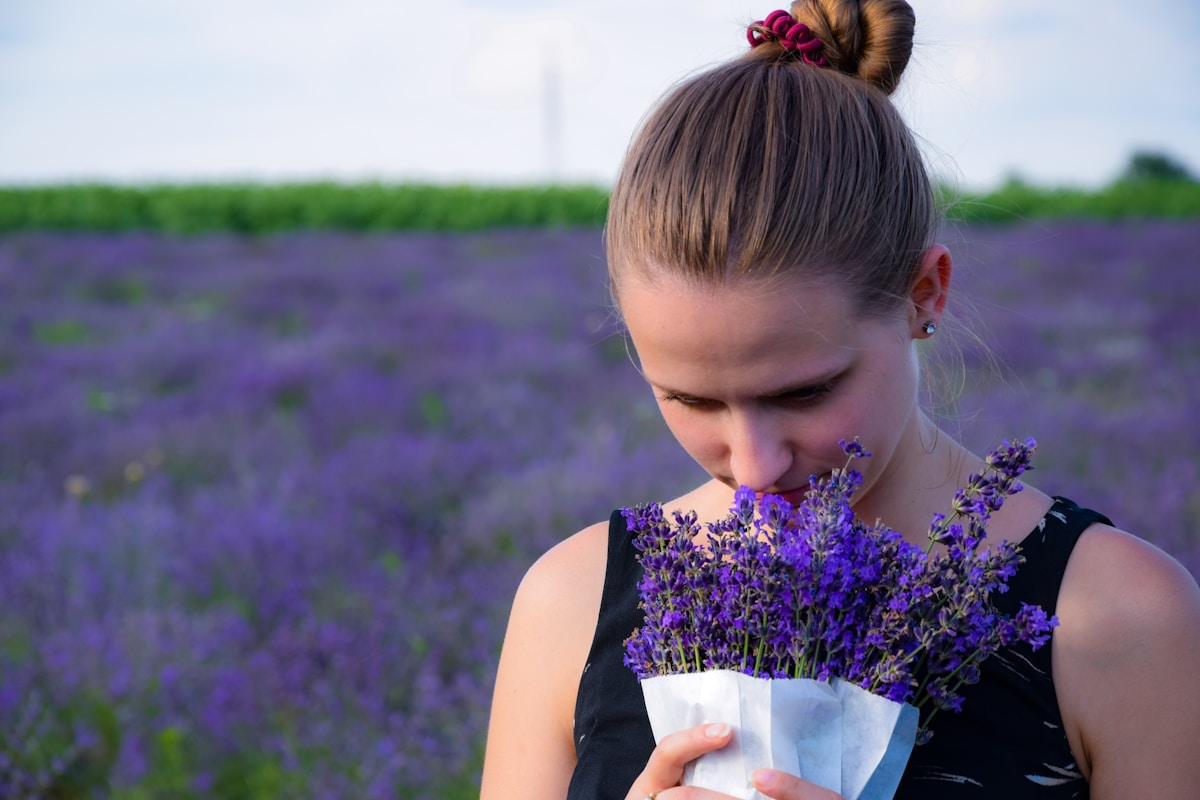
 Free Source Library — Exploring the profound and multifaceted benefits of lavender reveals a natural approach to enhancing women’s health in holistic, comprehensive ways.
The Multifaceted Power of Lavender: An Essential Guide to Women’s Well-Being
Lavender, scientifically classified under the genus *Lavandula*, is more than just a fragrant herb known for its calming aroma. It embodies centuries of traditional use and modern scientific validation as a versatile botanical ally for women’s health. Covering a broad spectrum—from physical relief to emotional resilience—lavender’s applications are rooted in its rich chemical composition, cultural symbolism, and practical versatility. Spanning approximately 47 species within the mint family (*Lamiaceae*), lavender’s diversity includes native varieties found across the Mediterranean Basin, parts of Europe, North Africa, and island ecosystems. Among these, *Lavandula angustifolia*—the true or English lavender—rose to prominence thanks to its potent therapeutic properties, persistent cultural significance, and ease of cultivation. Its historical usage dates back millennia—evident in Egyptian embalming practices, Greek and Roman beauty rituals, medieval European purification routines, and modern aromatherapy. This detailed exploration seeks to deepen your understanding of how lavender benefits women across various aspects of health—physical, mental, emotional, and spiritual—supported by scientific research, traditional knowledge, and practical application strategies.
Understanding Lavender: A Deep Dive into Botanical, Chemical, and Cultural Dimensions
Botanical Characteristics and Cultivation Practices
Lavender is a hardy, drought-tolerant perennial shrub, typically reaching 1 to 3 feet in height, with slender, silvery-green leaves and slender spikes of purple, blue, or lavender-colored flowers. Its sweet, floral aroma makes it a favorite for gardens, landscapes, and herbal gardens dedicated to sustainable and organic cultivation. Growth requires full sun exposure, well-draining sandy or loamy soil, and minimal watering once established. Historically, regions with Mediterranean climates—such as Provence in France, parts of Spain, Italy, and North Africa—provide ideal conditions. Commercial cultivation often involves both traditional hand-harvesting and mechanized methods, with an emphasis on organic practices to protect lavender’s delicate chemical profile. The demand for pure, high-quality lavender oil has propelled efforts toward sustainable farming—avoiding synthetic pesticides, employing crop rotation, and supporting biodiversity. Such practices ensure the therapeutic integrity of the harvested plants, which directly influences the efficacy of derived products used for health and wellness.
The Complex Chemical Constituents of Lavender
The health benefits of lavender owe much to its diverse array of phytochemicals. Its essential oils are rich in monoterpenes and esters, which synergize to produce calming, anti-inflammatory, antimicrobial, and regenerative effects. | Key Components | Primary Effects | Additional Notes | |—————-|——————-|——————| | **Linalool** | Calming, anxiolytic, sedative, anti-inflammatory | Major contributor to scent, modulates GABA receptors | | **Linalyl Acetate** | Relaxant, mood stabilizer, sedative | Enhances linalool effects; prevalent in high-quality lavender oil | | **Camphor** | Antimicrobial, respiratory support | Mostly in certain lavender species; must be used cautiously in high doses | | **Cineole (Eucalyptol)** | Anti-inflammatory, cognitive enhancer | Supports respiratory health and mental clarity | These constituents work in harmony, creating a botanical that addresses physical discomforts, mental stress, and emotional upheavals common among women, especially during hormonal fluctuations.
Physical Benefits for Women’s Health: An In-Depth Analysis
1. Alleviating Menstrual Discomfort and Cramps
Menstrual cramps (dysmenorrhea) affect a significant portion of women, impacting daily activities and overall quality of life. Lavender’s antispasmodic and analgesic properties have made it a preferred natural remedy. Formerly, herbalists and midwives used lavender-infused compresses or massage to soothe aching lower abdomen. Modern research supports this traditional use: topical applications of diluted lavender oil—massaged into the lower abdomen—relax uterine muscles and reduce spasms. For example, clinical trials have shown that women applying lavender-infused oils experienced a substantial decrease in pain severity, comparable to some conventional medications, but with fewer side effects. This approach often combines with other herbs like chamomile or peppermint for synergistic effects, but lavender remains the core due to its dual muscle-relaxant and mood-stabilizing properties.
2. Supporting Endocrine and Hormonal Balance
Hormonal fluctuations during menstrual cycles, pregnancy, and menopause create a cascade of physical and emotional symptoms—mood swings, hot flashes, irritability, fatigue, and irregular periods. Preliminary studies suggest lavender’s influence on the endocrine system—particularly its modulating effects on the hypothalamic-pituitary-adrenal (HPA) axis—may help stabilize hormone production. Lavender phytochemicals can interact with neuroendocrine pathways, helping to balance cortisol levels and influence reproductive hormones like estrogen and progesterone. While comprehensive clinical trials are ongoing, anecdotal and preliminary scientific evidence indicates lavender’s potential as a supportive adjunct in managing hormonal symptoms. Many women incorporate lavender aromatherapy into their wellness routines alongside lifestyle adjustments and medical care.
3. Improving Sleep Quality During Critical Life Stages
Sleep disturbances undermine mental health, immune function, and overall vitality. Women facing premenstrual syndrome (PMS), pregnancy discomfort, or menopausal hot flashes often experience fragmented sleep or insomnia. Lavender’s sedative and anxiolytic effects have been extensively validated. Inhalation of lavender essential oil—via diffusers, pillow sprays, or steam inhalation—can significantly reduce cortisol and catecholamine levels, promoting relaxation. Warm baths infused with lavender or topical applications before bedtime can further enhance sleep onset and duration. Scientific research supports the use of lavender in reducing sleep latency and improving sleep quality—benefits that are particularly pronounced when combined with sleep hygiene practices. Regular use as part of nightly routines can create a calming environment conducive to restorative sleep cycles.
4. Skin Health, Wound Healing, and Scalp Care
Lavender’s antimicrobial and anti-inflammatory properties lend themselves to myriad skin applications: – **Acne and Eczema:** Topical application of diluted lavender oil can reduce bacterial colonization and soothe inflammatory skin conditions. – **Wound Healing:** Its ability to promote collagen synthesis accelerates skin repair, minimizes scarring, and reduces infection risk. – **Scalp and Hair:** Regular scalp massages with lavender-infused oils stimulate circulation, balance sebum production, and help combat dandruff and scalp irritations. Postpartum hair thinning and hormonal hair loss may benefit from consistent use of lavender-based scalp treatments. Furthermore, lavender’s gentle antiseptic properties make it suitable for everyday skincare routines, especially for women with sensitive skin, offering a natural alternative to chemical-laden products.
5. Promoting Hair Growth and Scalp Vitality
Hair health is a concern for women experiencing hormonal imbalances, postpartum hormonal shifts, or simply aging. Scientific evidence suggests that lavender’s antimicrobial and circulation-enhancing properties create an optimal environment for follicular renewal. Practical use involves massaging a blend of carrier oils infused with lavender essential oil onto the scalp regularly. Over time, this may support the reduction of scalp infections, improve hair density, and encourage new growth.
Mental and Emotional Benefits: Cultivating Inner Peace and Resilience
1. Stress Reduction and Nervous System Regulation
Modern life challenges—career pressures, family responsibilities, personal growth pursuits—can lead to chronic stress. Lavender’s ability to modulate the autonomic nervous system makes it a natural antidote. Inhalation via diffusers or personal inhalers helps lower cortisol and adrenaline levels, fostering a sense of calm and mental clarity. It’s a practical tool for busy women seeking quick stress relief during hectic days.
2. Anxiety Management and Supporting Mental Health
Lavender’s anxiolytic properties have been substantiated through multiple clinical trials. Women with generalized anxiety disorder, social anxiety, or situational stress respond positively to inhalation or topical application of lavender oil. Compared to pharmacological treatments, lavender offers a gentler, side-effect-free approach, often used as adjunct therapy or in complementary modalities like yoga and meditation. It enables women to cultivate resilience and manage anxiety proactively.
3. Mood Enhancement and Combating Postpartum Depression
Postpartum depression remains a significant concern, impacting maternal well-being and bonding. Aromatherapy with lavender has shown promising results in elevating mood, decreasing feelings of sadness, and fostering emotional stability. Neurotransmitter modulation—specifically serotonin and dopamine pathways—may mediate these effects. Incorporating lavender into daily routines—such as diffusing it in nurseries or applying it during self-care—can serve as a gentle, accessible support mechanism.
Deepening Emotional and Spiritual Harmony
Lavender’s tranquil essence nurtures emotional balance, patience, and mindfulness. Its calming influence can help women navigate hormonal fluctuations with grace, reducing irritability, anger, and emotional overwhelm. Using lavender in meditation and spiritual practices enhances focus, deepens relaxation, and fosters emotional openness. Creating a sacred space with lavender-scented candles, incense, or essential oil diffusers can elevate spiritual growth and self-awareness.
Practical Usage Strategies: How to Maximize Benefits Safely
1. Aromatherapy Diffusers and Inhalation Techniques
Adding 3–5 drops of high-quality lavender essential oil to ultrasonic diffusers creates a consistent, calming scent environment. For targeted relief, personal inhalers—small and portable—deliver rapid effects during stressful moments or before sleep.
2. Topical Application and Massage Therapy
Dilution with carrier oils (like jojoba, almond, or coconut oil) at a ratio of 2–3 drops per teaspoon prevents skin irritation. Abdominal massages during menstruation, or soothing skin contacts, combine physical comfort with emotional calming.
3. Bathing Rituals as Therapeutic Self-Care
Incorporating lavender essential oil into warm bathwater—about 5–10 drops—creates a relaxing soak. Add dried lavender flowers for a sensory-rich experience. This practice relaxes muscles, reduces anxiety, and fosters deep sleep.
4. Culinary and Beverages with Lavender
Culinary lavender—used sparingly—can be infused into teas, baked goods, honey, and syrups. Its gentle floral flavor enhances dishes and provides a subtle calming effect, blending health benefits with gastronomic pleasure.
5. DIY Projects and Creative Applications
| DIY Lavender Projects | Purpose | Benefits | |————————|———|———| | Lavender Bath Salts | Muscle soothing, relaxation | Combine Epsom salts, dried lavender, lavender oil | | Sleep Spray | Promote restful sleep | Mix distilled water and lavender essential oil in a spray bottle | | Lavender-Infused Oil | Skin and massage uses | Infuse dried lavender in carrier oil for several weeks | | Lavender Cookies | Culinary delight with wellness benefits | Bake with culinary lavender for flavor and calm | Utilizing these methods consistently maximizes health benefits while respecting individual sensitivities.
Scientific Evidence and Clinical Validation
Accumulating research supports lavender’s traditional uses. Highlights include: – **Anxiety and Sleep Promotion:** Meta-analyses reveal inhalation and topical use reduce general anxiety and improve sleep in women with insomnia or heightened stress. – **Menstrual Pain Relief:** Randomized controlled trials demonstrate lavender aromatherapy’s ability to lessen pain severity comparable to conventional medications. – **Skin Regeneration:** Studies confirm lavender’s antimicrobial activity helps manage acne, eczema, and skin wounds, speeding healing and reducing scarring. – **Cognitive and Respiratory Support:** Its cineole and other constituents bolster respiratory function, mental clarity, and alertness. While promising, ongoing research aims to clarify optimal dosages, formulations, and long-term safety.
Safety, Precautions, and Best Practices
Although lavender is generally safe, caution is advised: – Perform a patch test before topical use to detect allergic reactions. – Pregnant or breastfeeding women should consult healthcare providers. – Use culinary-grade lavender or certified essential oils, avoiding large internal doses without professional guidance. – Store in dark, airtight containers to preserve potency and prevent oxidation.
Emerging Trends: Innovations, Integration, and Future Directions
Natural Beauty and Personal Care Breakthroughs
Lavender’s integration into natural skincare lines—serums, masks, shampoos—reflects consumer demand for gentle, effective ingredients. Its calming effects on sensitive skin and scalp are increasingly valued.
Gastronomy and Wellness Beverages
Artisanal honey, infused syrups, and herbal teas featuring lavender create culinary and beverage experiences that soothe the mind and body, aligning culinary art with wellness.
Household and Lifestyle Products
Lavender-infused cleaning products, linen sprays, and air purifiers capitalize on its antimicrobial and deodorizing properties, enhancing home hygiene and ambiance.
Historical and Cultural Significance
Lavender’s timeless appeal is evident in its longstanding role across civilizations—from Egyptian embalming rituals symbolizing purity to European medieval sterilizations and Renaissance perfumes. This enduring legacy underscores its versatility—not only as a healing agent but as a symbol of serenity and spirituality.
Growing the Plant Sustainably for Future Generations
The rising global demand highlights the importance of sustainable cultivation: – Practice organic farming to protect soil health. – Implement natural pest control methods. – Support biodiversity by cultivating diverse lavender strains. – Use water-efficient practices, especially in drought-prone regions. These steps ensure lavender remains an environmentally friendly resource for future generations.
Practical Considerations, Troubleshooting, and Optimization
– Always store essential oils in dark glass bottles away from light and heat. – Dilute thoroughly for sensitive skin and children. – Adjust aromatherapy intensity based on personal response—some prefer milder scents. – When blending with other oils, consider complementary scents such as chamomile or rose for personalized benefits. – Recognize signs of skin sensitivity or allergic reactions—discontinue use if irritation occurs.
Concluding Perspectives: Lavender as a Cornerstone of Women’s Natural Wellness
Lavender’s historical lineage, scientific backing, and practical versatility make it a powerful botanical ally for women seeking holistic health solutions. From easing menstrual discomfort and supporting hormonal balance to fostering restful sleep and emotional resilience, lavender’s gentle yet profound effects are accessible and customizable. When integrated responsibly into daily routines, lavender becomes more than a scent—it transforms into a pathway toward serenity, vitality, and self-empowerment rooted in nature’s wisdom.
References
- National Center for Complementary and Integrative Health. “Lavender.”
- MedlinePlus. “Lavender Oil.”