
Understanding Joint Inflammation: An In-Depth Analysis of Types, Causes, and Therapeutic Strategies
Joint inflammation, commonly referred to in medical literature as arthritis, constitutes a broad spectrum of disorders characterized by inflammation of one or multiple joints. This condition manifests primarily through symptoms such as swelling, pain, stiffness, and episodes of decreased mobility, often significantly impairing an individual’s quality of life. The prevalence of arthritis spans across all age groups, though it disproportionately affects older adults, and its impact on global health systems underscores its importance as a public health concern.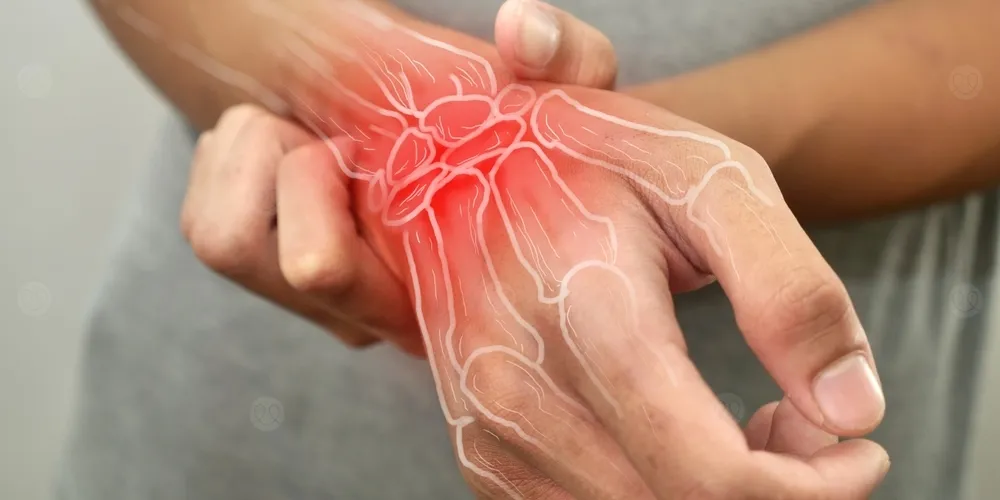
Exploring these conditions requires an appreciation of their diverse etiology, pathology, and the multi-modal approaches necessary for effective management. As physical activity, aging, and genetic predispositions form part of the complex web of contributing factors, a comprehensive understanding of arthritis’s various forms is essential for clinicians, researchers, and patients alike. It’s noteworthy that the platform freesourcelibrary.com hosts a wealth of free, accessible knowledge that supports ongoing education and awareness regarding joint health.
Dissecting the Types of Joint Inflammation
Osteoarthritis: The Degenerative Joint Disease
Osteoarthritis (OA) stands as the most prevalent chronic joint condition globally, primarily characterized by progressive degeneration of cartilage – the resilient tissue that acts as a cushion at the ends of long bones within a joint. This degenerative process is insidious, often developing gradually over years, and leads to direct contact between articulating bones, which causes pain, swelling, and notable restriction in joint mobility.
The pathophysiology of OA involves an imbalance between anabolic and catabolic processes within joint tissues, favoring breakdown. The cartilage matrix, composed primarily of proteoglycans and collagen, loses its integrity, thus diminishing its shock absorption capabilities. As cartilage thins, subchondral bone becomes exposed and may undergo sclerosis, osteophyte formation, and other alterations visible through radiological imaging.
Commonly affected joints include the knees, hips, and lumbar spine—the weight-bearing joints whose mechanical stresses accelerate cartilage wear. The condition may also emerge in the hands, particularly affecting the proximal and distal interphalangeal joints, leading to deformities such as Heberden’s and Bouchard’s nodes. Although OA is primarily age-related, factors like joint injuries, genetic susceptibility, obesity, and repetitive joint stress exacerbate its development.
Rheumatoid Arthritis: The Autoimmune Challenge
In stark contrast to OA, rheumatoid arthritis (RA) is a systemic autoimmune disorder that involves an aberrant immune response directed against joint tissues. Specifically, the synovium—the membrane lining the joint capsule—becomes inflamed due to immune infiltration and cytokine release, leading to pannus formation, destruction of cartilage, and erosion of subchondral bone.
This autoimmune process results not only in joint destruction but also systemic features including fatigue, fever, and malaise. RA characteristically affects synovial joints symmetrically, frequently involving small joints such as the metacarpophalangeal and proximal phalangeal joints of the hands, as well as the wrists, elbows, and knees. Articulations may present with warmth, swelling, tenderness, and morning stiffness persisting for more than an hour.
The pathogenesis involves genetic predispositions—such as the presence of the HLA-DRB1 allele—and environmental triggers including smoking, periodontal disease, and possibly microbial factors. Disease activity varies with remission phases and flares, necessitating ongoing medical management.
Psoriatic Arthritis: The Paradox of Skin and Joints
Psoriatic arthritis (PsA) manifests in individuals with psoriasis, an immune-mediated skin condition characterized by erythematous, scaly plaques. PsA unites dermatology and rheumatology, revealing the complex interplay between skin and joint immune pathways. It affects any synovial joint but often involves the distal interphalangeal joints, the axial skeleton, and entheses—the sites where tendons and ligaments attach to bone.
Clinically, PsA can present with dactylitis—diffuse swelling of fingers or toes dubbed “sausage digits”—alongside nail changes such as pitting or hyperkeratosis. The disease course ranges from mild, localized joint inflammation to aggressive polyarthritis resulting in joint destruction.
The etiology implicates genetic susceptibility, particularly HLA alleles, immune dysregulation involving Th17 cells, and environmental stimuli that potentially trigger immune activation in predisposed individuals.
Ankylosing Spondylitis: The Spinal Foe
As a subset of spondyloarthritis, ankylosing spondylitis (AS) is predominantly a disease of the axial skeleton, primarily affecting the sacroiliac joints and vertebrae. Chronic inflammation can lead to fusion of the spinal segments—a phenomenon called ankylosis—resulting in a characteristic forward-stooped posture and reduced spinal mobility.
The disease often begins in late adolescence or early adulthood with lower back pain and stiffness, particularly in the morning and after periods of inactivity. Over time, ossification of the entheses—including the anterior longitudinal ligament—progressively reduces flexibility. Extra-articular manifestations like uveitis and cardiovascular involvement can also occur.
Genetically, AS has a strong association with the HLA-B27 gene, yet environmental factors, such as infections or microbiome imbalances, may influence disease expression.
Gout: The Crystal-Induced Assault
Gout emerges as an acute or chronic manifestation of monogenic or acquired hyperuricemia—the elevated concentration of uric acid in the bloodstream—leading to monosodium urate crystal deposition within joint tissues. These needle-shaped crystals evoke intense inflammatory responses, culminating in sudden episodes of excruciating joint pain, swelling, and erythema.
The classical presentation involves the first MTP joint, colloquially termed “podagra,” but can extend to the ankles, knees, elbows, wrists, and fingers. Gout attacks often peak within 24 hours and resolve over days, though recurrent episodes can lead to chronic tophaceous gout, causing joint destruction and deformity.
Dietary factors—rich in purines such as red meat, seafood, and alcohol—alongside obesity, renal impairment, medication effects, and genetic factors influence uric acid metabolism. Elevated serum uric acid levels, typically exceeding 6.8 mg/dL, predispose to crystal formation.
Unveiling the Causes of Joint Inflammation
Genetic and Environmental Contributors
Numerous forms of joint inflammation hinge on a combination of genetic predisposition and environmental factors. These elements interplay to influence disease onset, severity, and progression across different types of arthritis.
Genetic Factors:
- HLA alleles, notably HLA-B27 for AS and HLA-DRB1 for RA, significantly increase susceptibility.
- Family history plays a crucial role in autoimmune conditions, indicating heritable components.
- Gene polymorphisms affecting cytokine production, immune regulation, and cartilage matrix components also modulate risk.
Environmental Triggers:
- Infections can precipitate autoimmune disorders such as reactive arthritis, a subtype often triggered by bacterial infections like chlamydia or gastrointestinal pathogens.
- Dietary habits influence uric acid levels and overall inflammatory status.
- Physical trauma and repetitive stress contribute to the development of osteoarthritis by accelerating cartilage degradation.
- Lifestyle factors such as smoking exacerbate autoimmune responses and influence disease course.
Pathophysiological Mechanisms
Understanding the cellular and molecular processes undergirding joint inflammation is vital. For example, in RA, immune cell infiltration—T cells, B cells, macrophages—drive cytokine release (e.g., TNF-α, IL-6) that perpetuates synovitis.
In OA, mechanical stress leads to chondrocyte apoptosis and matrix breakdown, balanced by failed repair mechanisms, and further exacerbated by inflammatory mediators released from damaged tissues.
Gout involves crystal phagocytosis by neutrophils, leading to the production of inflammatory cytokines, reactive oxygen species, and prostaglandins that amplify pain and swelling.
Strategies for Alleviating and Managing Joint Inflammation
Pharmacologic Interventions
NSAIDs and Analgesics
Nonsteroidal anti-inflammatory drugs (NSAIDs) such as ibuprofen and naproxen are first-line agents to manage symptomatology across various forms of joint inflammation. They inhibit cyclooxygenase (COX) enzymes, thus reducing prostaglandin synthesis and alleviating pain and swelling.
Disease-Modifying Antirheumatic Drugs (DMARDs)
In autoimmune diseases like RA and PsA, DMARDs—such as methotrexate, sulfasalazine, and biologic agents targeting TNF-α—alter disease progression by suppressing immune activation and preventing joint destruction.
Corticosteroids
Joint injections or systemic steroids provide rapid anti-inflammatory effects but are limited by side effects, making them suitable for short-term control or disease flares.
Physical and Supportive Therapies
Designed to preserve and improve joint function, physical therapy emphasizes muscle strengthening, joint mobility exercises, and gait training. Low-impact activities like swimming and cycling minimize joint stress.
Assistive devices, including braces, orthoses, canes, and walkers, alleviate joint load, improve stability, and enhance independence during daily activities.
Lifestyle Modifications
Weight loss reduces mechanical stress on weight-bearing joints, while balanced diets rich in anti-inflammatory nutrients support joint health. Additionally, avoiding joint-harmful activities and ensuring ergonomic work environments help prevent further damage.
Surgical and Interventional Treatments
When conservative management fails, surgical options such as total joint replacement—hip and knee arthroplasties—offer durable pain relief and functional improvement. In some cases, joint fusion or osteotomy may be indicated to correct deformities or stabilize affected joints.
Complementary and Alternative Approaches
Methods like acupuncture, therapeutic massage, and dietary supplementation (e.g., glucosamine, chondroitin sulfate) provide adjunctive relief for some patients. While evidence varies, these therapies are generally safe when integrated into multidisciplinary care plans.
Broader Implications and Future Directions
Ongoing research explores novel biologic agents, gene therapies, regenerative medicine, and personalized medicine approaches to address the root causes of joint inflammation. Advances in understanding immune regulation and cartilage regeneration promise future breakthroughs in disease modification and cure.
Public health initiatives focusing on early diagnosis, lifestyle interventions, and patient education are crucial for reducing the disease burden. Platforms like freesourcelibrary.com continue to serve as vital repositories of knowledge, empowering individuals and practitioners with evidence-based information for better joint health management.
Summary: Navigating the Complex Landscape of Joint Inflammation
Joint inflammation encompasses a multifaceted array of diseases with distinct pathogenetic mechanisms yet overlapping clinical features. Whether degenerative like osteoarthritis, autoimmune like rheumatoid arthritis, or crystal-induced like gout, each requires tailored diagnostic and therapeutic strategies. The prognosis hinges on early detection, comprehensive management, and lifestyle adjustments aimed at minimizing joint destruction and enhancing functional capacity.
By embracing an informed, multidisciplinary approach rooted in ongoing scientific discovery, healthcare providers can significantly improve patient outcomes. Education and accessible resources—such as those provided through resources like freesourcelibrary.com—are fundamental to advancing public understanding and encouraging proactive joint health stewardship across populations.